When fear keeps you from places and tasks, your world can start to feel smaller. Exposure therapy and ERP help teens and adults face fears in small, planned steps they agree to first. Meet at our Scottsdale office or ask about secure video with select therapists in Arizona, New York, or Hawaii.


For some people, it’s the freeway. For others, it’s a dog on the sidewalk, a crowded store, or a thought that won’t leave them alone. When you start planning your days around a fear, it may be time to talk with someone.
Exposure therapy is one way to work on that. You and a trained therapist face the fear in small, planned steps, and you have a say in how fast things move.
Pathways Counseling Services offers it in our Scottsdale office, and select therapists also offer it over secure video. We also offer exposure and response prevention (ERP), the version used for obsessive-compulsive disorder (OCD). No diagnosis or doctor’s note is needed to call.
Or call (480) 639-5559
Our office on East Shea Boulevard opened in 2012. Since then, we’ve seen adults, teens, and families from around the Valley. Our therapists are trained in cognitive behavioral therapy (CBT), which is where exposure therapy comes from.
Select therapists also meet by secure video, as long as you’re in Arizona, New York, or Hawaii at the time.


Avoiding something you fear may bring relief at first. You stay away, and the worry eases. Over weeks or months, though, the fear can grow, and more places and tasks can end up on your avoid list.
Exposure therapy grew out of cognitive behavioral therapy (CBT). Rather than avoiding the fear, you and your therapist move toward it in steps small enough to manage. Each one should feel a bit hard, but not overwhelming.
You don’t have to wait until the anxiety is gone. The point is to find out, by actually doing it, that you can get through the hard moment. The work usually goes roughly like this.
These are the concerns we hear about most often. Yours may look different, and you’re welcome to talk it through on the free call.
You may notice you’ve stopped doing things that used to feel easy. A drive on the freeway, a crowded store, or a work meeting can start to feel like too much.
Early on, the work is mostly talking. You and your therapist sort out what you avoid and what you’re afraid would happen if you didn’t. Short practice in real life comes later, when you’re ready. Read more on our anxiety therapy page.
A phobia is a strong fear of one specific thing. People may seek help with fears of needles, dogs, flying, heights, or throwing up.
Work on a phobia often starts small. That could mean looking at a photo, then a short video, and later being near the real thing (with a plan you’ve agreed to first).
OCD tends to bring thoughts, pictures, or urges that show up uninvited and keep coming back. They’re upsetting, so people do something to make the feeling stop. You might wash your hands again, check the lock, or ask a loved one if everything is okay. Some of it happens silently, like counting or replaying a moment in your head.
ERP is a research-backed treatment for OCD and a specialized kind of CBT. It looks simple on paper, but it takes real training to do well. Early on, your therapist helps you notice which thoughts lead to repeated actions or mental habits.
Then the two of you build a plan, starting with the easiest trigger and working up. You face a trigger on purpose and practice not doing the repeated action, even the mental ones. In visits, your therapist coaches you through the urge, and the plan changes when it needs to. Part of ERP is learning to handle doubt without needing to feel completely certain. Read more on our OCD therapy page.
After something frightening, it’s very common to avoid anything that brings it back. That might be a certain road, a sound, a smell, or just talking about it.
If trauma is the main issue, your therapist may start with eye movement desensitization and reprocessing (EMDR) or another approach. Exposure steps can come later if they make sense for you, and you’ll decide that together. There’s more on our PTSD and trauma therapy page.
Teens worry, and that’s normal. For some, though, the worry starts getting in the way. You might see your teen skip a game or a party, or ask the same question over and over. Some spend so long on routines that they end up late.
Our therapists who work with teens adjust each exposure step to fit school, friends, and family life, and your teen helps plan each one. Your therapist will explain your child’s privacy and your role as a parent.
Plenty of people feel uneasy about a therapy that asks them to face a fear. Some put off calling for months because of it.
Exposure work goes slowly on purpose. You agree on each step with your therapist before you try it, and you can ask to ease off whenever you need. The first few visits are mostly talking and planning.
Still on the fence? Bring it up on the free 15-minute call. Some people start with something gentler first, like CBT skills or mindfulness, then add exposure work later.
Think of the first visit as a get-to-know-you meeting. You’ll talk about what you’ve been avoiding, how it’s affecting work, home, or school, and what you’d like to get back to. Set aside 75 minutes.
After that, you can book 45, 60, or 75 minutes. Early visits focus on building a plan that you and your therapist can adjust as you go. Later ones mix practice, in the office or on video, with time to talk about your week.
There’s also some homework. It’s usually short, and the amount changes from week to week. When you come back, you and your therapist go over how it went, including the parts that were harder than you thought. A few examples are below.


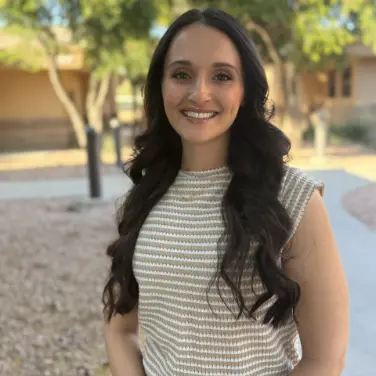
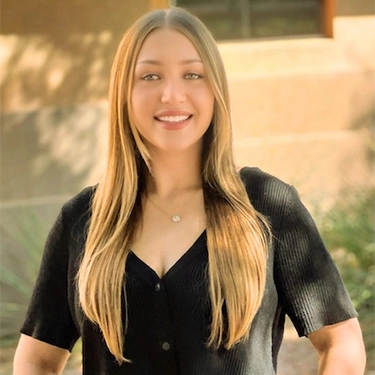
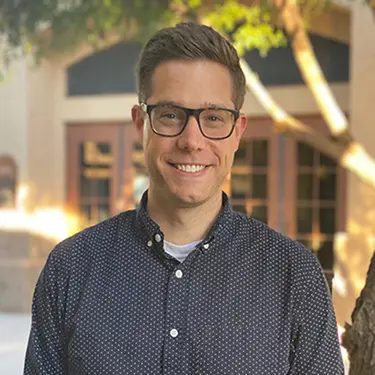
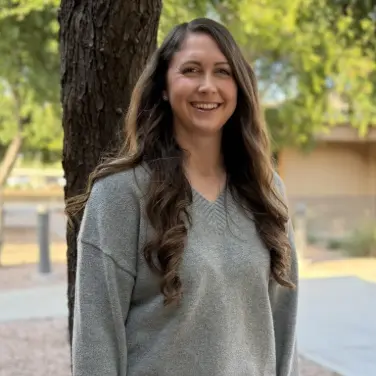
You choose your therapist. Visit our team page to read about each therapist’s license, training, and who they work with.
Exposure therapy and ERP are offered by select therapists on our team. We’ll help you find a therapist who may fit your needs and your schedule.
Fit matters a lot in this kind of work. If it doesn’t feel right with your therapist, tell us, and we’ll help you look at other options.
For video visits, your therapist must be allowed to provide care in the state where you are during each visit. We’ll check which therapists can see you before you book.

Your first visit is 75 minutes and costs $285 to $490, based on your therapist. Later visits cost:
Our office is open Monday to Friday, 9 AM to 7 PM, and Saturday, 9 AM to 4 PM. Ask us about your therapist’s hours.
You’ll find us at 8414 E. Shea Blvd., Suite 101, Scottsdale, AZ 85260. Select therapists also offer secure video visits for clients in Arizona, New York, or Hawaii.
To book, schedule a free 15-minute phone consultation or call (480) 639-5559.
It might, for a little while. Anxiety usually rises during an exercise, and that’s expected. Each step is planned ahead, and you can ask to slow down. Some people feel drained afterward, so a low-key evening can help.
Some people try it on their own first, and that’s understandable. The hard part is that compulsions can be sneaky, especially the ones that happen in your head. A trained therapist can help you spot them and build a plan that’s challenging but still doable.
No. You start with something that feels uncomfortable but doable. Bigger steps come later, and only when you and your therapist agree you’re ready.
They’re different tools for different problems. ERP is about facing triggers and practicing not doing compulsions. EMDR is used to work through upsetting memories, using side-to-side eye movements, tapping, or sounds.
That depends on what you’re working on. One specific fear, like flying, may take fewer visits than OCD or a mix of fears. How much you practice between visits also plays a part. You and your therapist will check in on progress and decide together when to stop.
In many cases, yes, with select therapists. You’ll need to be in Arizona, New York, or Hawaii for each visit. A lot of exposure practice works fine over video, and we’ll check which therapists can see you in your state.
For younger children, start with our child therapy page. You can also ask about your child’s needs on the free call, and we’ll help you explore your options.
Your therapist will explain what stays private and when safety concerns or the law may require them to share information. For teens, your therapist will explain your child’s privacy and your role as a parent.
Your first visit is 75 minutes and costs between $285 and $490, depending on your therapist. After that, the cost depends on your therapist and the length of the visit. Prices start at $185.
We do not accept insurance. You pay us directly for your care. We can give you a special receipt called a superbill. You can send it to your insurance plan to ask if it will pay back part of the cost. Check with your plan first. Not all plans cover exposure therapy.
We offer scheduled therapy visits. We do not provide emergency care. If you’re in crisis, call or text 988. If you’re in immediate danger, call 911.
Prefer a callback?