Even strong relationships can get stuck in the same arguments or drift into feeling like roommates. Our therapists help couples, married or not, understand each other, rebuild trust, and feel more connected. Meet at our Scottsdale office, or by secure video with select therapists in Arizona, New York, or Hawaii.


Some couples come to us because they keep having the same argument. They want to understand each other and feel close again. Others come when things are going well. They want to grow closer and keep their relationship strong.
Couples therapy at Pathways Counseling Services helps you work through problems, build trust, and feel more connected.
Start with a free 15-minute phone call. We’ll answer your questions and help you choose a therapist who may fit both your needs.
We’ve helped Scottsdale couples since 2012. You can meet at our office on East Shea Boulevard or ask about secure video visits. Online care is available in Arizona, New York, and Hawaii with select therapists.

Couples come to therapy at every stage of a relationship. You may face some of the concerns below or want help with something else. Your therapist will listen to both of you and help you work toward shared goals.
You’ve built a life together, but you’re still individuals.
You don’t have to agree on everything to have a strong relationship. Therapy helps you understand your differences and handle them with more care and respect.
Your therapist helps you notice patterns that lead to the same disagreements. You practice listening to your partner and sharing your own needs clearly. Together, you build skills to use at home.
You manage daily life together. The bills get paid, and family needs are met. But most of your talks are about chores and schedules. You may miss feeling close as a couple.
The Gottman Method helps you strengthen your friendship as a couple. You practice small ways to show interest, share time, and make each other feel valued.
An affair can deeply hurt trust and leave both of you unsure about what comes next. Therapy gives you room to talk about what happened and how it affected you. You can explore whether you want to rebuild trust and what each of you needs to move forward. You don’t have to decide whether to stay together before you ask for help.
Your therapist may use the Gottman Method to help you talk through the hurt and discuss ways to rebuild trust. This work takes time, and each couple’s needs are different. You and your therapist will review your progress as you go.
A major life change can put stress on your relationship, even when things were going well before. You may have a new baby, move for work, care for a parent, or face a serious health problem. Even when neither of you is at fault, you may miss how close you felt before.
In therapy, you talk about how your roles, needs, and daily tasks have changed. You explore ways to share the load and support each other. Hearing what your partner is going through can help you feel less alone.
You’ve found the person you want to build a life with, and that’s worth celebrating! Marriage brings shared choices about money, children, work, faith, and family time. You may not have talked through all of them yet.
Premarital counseling helps you talk through these topics before you marry. Your therapist guides the talks and helps you practice handling differences. You can learn more about each other and plan for your life together.
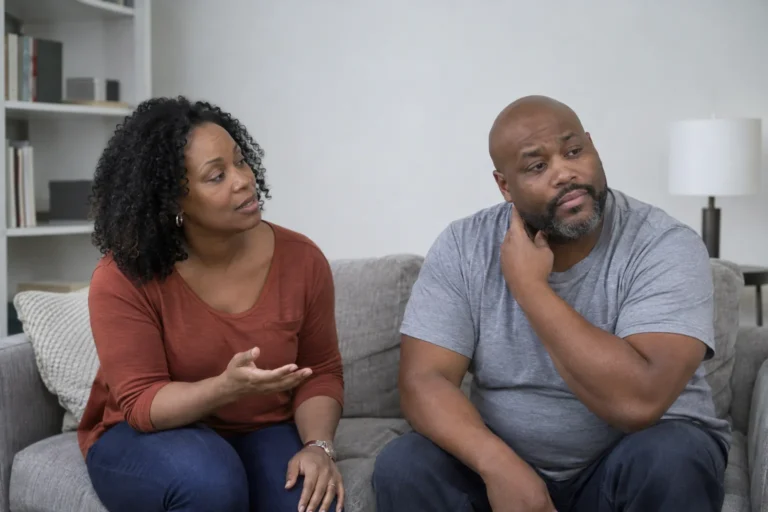
One of you may feel more ready for therapy than the other. It can be hard to bring it up without making your partner feel blamed.
Start by sharing what you hope therapy could help with. Ask what your partner thinks or worries about. You don’t need to have the same answer before you reach out.

Your first appointment is 75 minutes, and so is every one after it. This gives each of you time to share what’s happening in the relationship, what you hope for, and what brought you in now. You may see the same problem in different ways. Your therapist will make room for both views.
Later visits help you understand each other’s feelings and needs. You practice listening, speaking clearly, and responding with care. You also work on goals you both want for the relationship.
Before meeting with either of you alone, your therapist will explain their rules about privacy and sharing information with your partner. Your therapist may suggest something to practice at home, such as a daily check-in. At your next visit, you can talk about how it went.
Our therapists use different methods based on their training and your needs. These may include the Gottman Method or PACT. You don’t need to choose a method before you call. We’ll explain your options.


At Pathways Counseling Services, you choose your therapist. Visit our team page to see who offers couples therapy and learn about their training and approach.
If you’re not sure who to choose, start with a free phone call. Tell us what you want help with and when you can meet. We’ll help you find someone who may fit both your needs.
Couples therapy may not be a safe fit when there is abuse, fear, or threats in the relationship. You can speak with us in private about your concerns. We can help you explore support for your own needs and safety. If you’re in danger right now, call 911.
Therapy cannot promise a certain outcome. It can help you understand your problems, explore your choices, and practice new skills. You don’t have to know what comes next before you ask for help.
Your therapist’s role is to help both of you feel heard and work on your goals. They will also address harmful behavior and safety concerns. The choice to stay together is yours. If you feel unheard, tell your therapist.
Yes. You can start with a free phone call on your own. Tell us what you need and how your partner feels about therapy. We’ll discuss next steps, which may include individual support.
Ask your therapist before you share. They will explain what may be shared with your partner and what stays private. They will also explain when the law may require them to share information. You can ask questions about these rules at any time.
Tell us what helped before and what you wanted to be different. Your therapist will discuss your goals and how you’ll work on them. Visits may include practicing skills and choosing something to try at home.
Each visit is 75 minutes. The number of visits depends on your needs and goals. You and your therapist will review your progress and discuss how often to meet.
A 75-minute visit starts at $285. The fee depends on your therapist. We’ll confirm the cost before you book. We do not accept insurance. You pay us directly for your care. We can give you a special receipt called a superbill. Ask your insurance plan if it covers your care and may pay back part of the cost. Not all plans cover couples counseling.
Our office is open until 7 PM on weekdays and from 9 AM to 4 PM on Saturdays. Ask us about your therapist’s hours. We also offer secure video visits with select therapists in Arizona, New York, and Hawaii. Tell us where each of you will be during the visit so we can check your options.
You do not have to be married. We welcome married and unmarried couples, including same-sex couples. Both marriage counseling and couples therapy help partners work on their relationship.
We offer scheduled therapy visits. We do not provide emergency care. If you’re thinking about suicide, call or text 988, and if you’re in danger, call 911.
Prefer a callback?