
When getting to an office is hard, you can still get support from home. Select Pathways therapists offer secure video visits for adults, couples, teens, and some children in Arizona, New York, or Hawaii. Start online, meet in our Scottsdale office, or use both, based on your needs and your therapist’s schedule.


Some weeks, the hardest part of therapy is simply getting there. A long drive, a lack of childcare, or time away from home can make office visits hard. Life gets busy. Online therapy can make it easier to get the care you need.
Select therapists at Pathways Counseling Services offer online therapy in Arizona, New York, and Hawaii. We’ll help you find a therapist who can see you in your state. You may start online, meet in our office, or use both. We’ll help you choose what fits your needs and your therapist’s schedule. However you join, you’re met with the same warmth.
We’ve cared for Scottsdale adults, teens, and families since 2012. Select therapists offer secure video visits when you can’t get to our office on East Shea Boulevard.
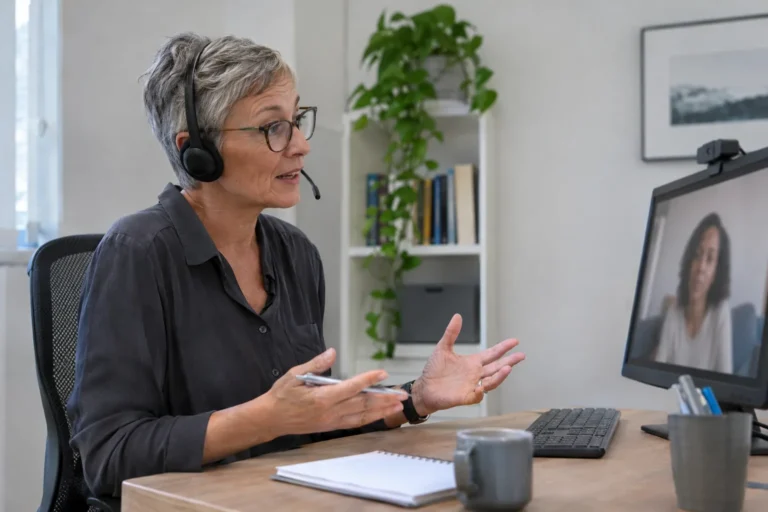
Some people prefer video visits. Others choose them to save time or avoid a hard trip. Online therapy can help you keep getting support when life gets busy.
Between work, family, and other plans, it can be hard to fit in therapy. The drive there and back adds more time. For some people, the travel and time away make it hard to keep going. You can join online from a quiet, private place where you won’t be disturbed. You deserve care that fits your life.
You may live in Tucson, Flagstaff, or a small town in Arizona with few therapists nearby. You may have moved to New York or Hawaii and want to keep seeing a therapist you know. Online therapy may help you keep getting care after a move. We’ll first check that your therapist can see you in your new state.
An illness, an injury, or caring for someone can make it hard to leave home. Anxiety can make going out feel hard, too. You deserve support even when you can’t get to our office. Online visits may help you get care from home. If you want to meet in person later, talk with your therapist about your options.
A work trip, time away at school, or a stay with family can change your routine. Online visits may help you keep seeing a therapist you trust. Before you travel, tell your therapist where you’ll be. They’ll check whether they can see you there and confirm your visit time.
Being in a room you know may help you feel at ease. This can make it easier to talk about hard things. You won’t need to sit in a waiting room or drive home after a hard talk. You can take a few quiet minutes after your visit. Some people feel more at ease starting online. They may choose to meet in person later. Your therapist can help you choose what works best for you.
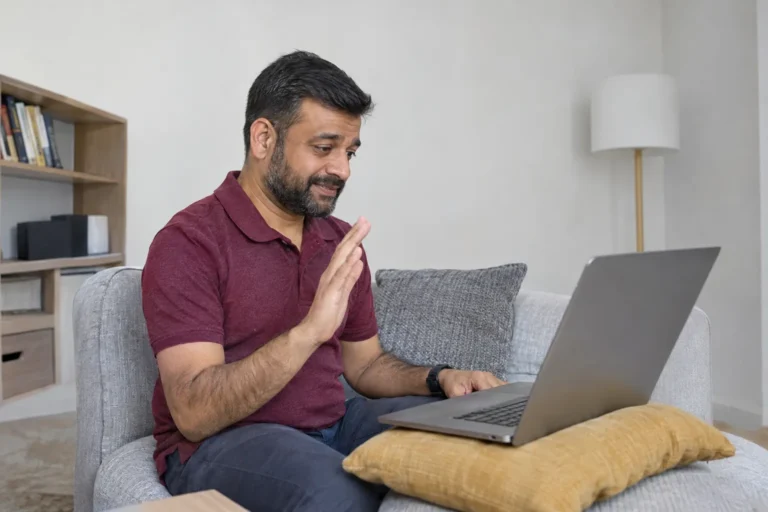
You may wonder what it will be like to talk with a therapist on video. The first few minutes can feel a little awkward while you both settle in. It may take time to feel at ease. Tell your therapist if video visits feel hard or don’t seem like a good fit.
Your therapist will listen, learn what you need, and help you work toward your goals. You’ll have time to ask questions and share at your own pace.
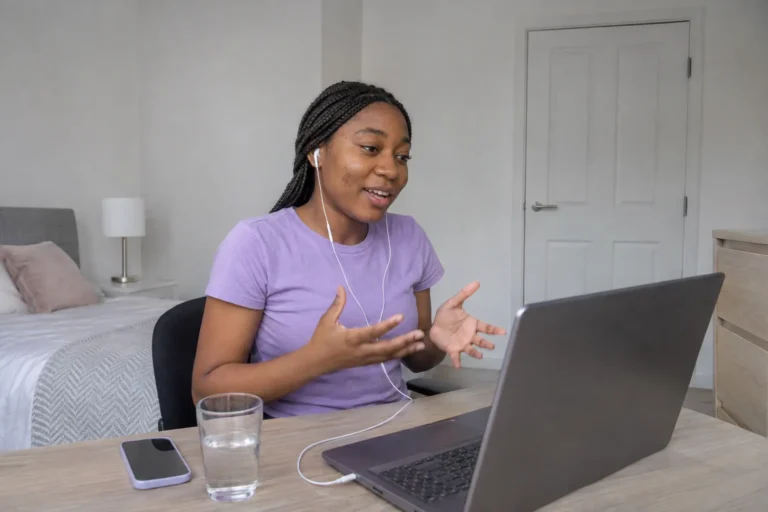
Before your first visit, we send you a secure video link and steps for joining. You’ll need a phone, tablet, or computer with a camera and microphone. You’ll also need a steady internet connection and a private place to talk.
Choose a private space for your full visit. A bedroom or an office with the door closed may work well. Make sure others can’t hear you. Headphones help keep your therapist’s voice private. Keep in mind that people nearby may still hear your voice. Keep your phone nearby. Before you start, agree on what to do if the video stops working.
Online visits follow a similar plan to office visits. Your first visit is 75 minutes. You can share what brought you to therapy and what you hope to change. Later visits are 45, 60, or 75 minutes. Your therapist may give you a skill to practice before your next visit. In both online and office visits, your therapist keeps records of your care and follows rules to protect your privacy. You keep working toward your therapy goals.
It’s important to feel at ease with your therapist, both online and in person. Read about our therapists to learn who they help and how they work. We can help you choose someone who fits your needs. If your therapist doesn’t feel like a good fit, let us know. We can help you look at other options.
Your therapist must be allowed to provide care in the state where you are during each visit. Your choice of therapists may vary by state. We’ll check who can see you before you book.
On your free call, tell us which state you’ll be in for your visits. We’ll help you find a therapist who can see you there.
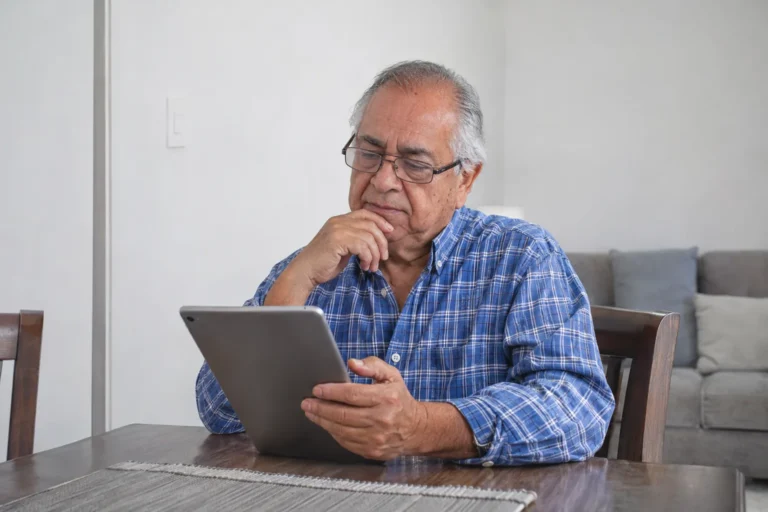
The best choice depends on your needs and how you feel about video visits. Your therapist can help you decide if online care is a good fit. If you need care that works better in person, your therapist will explain your options.
We use a secure video service for your visits. Your therapist will explain what stays private and when they may need to share information. Choose a quiet room with a closed door where others can’t hear you. Headphones can help keep your therapist’s voice private. If it’s hard to find a private space, tell your therapist. You can discuss options together.
Select therapists also offer online care in New York and Hawaii. We’ll check which therapists can see you in those states. Tell your therapist before you travel to another state. They’ll check whether you can keep your visit while you’re away.
Some teens like video visits. Others feel more at ease in person. For younger children, it depends on their age, needs, and how well they can take part through video. On your free call, we’ll talk about whether online therapy may work well for your child.
You and your therapist will agree on a backup plan. You may try the video link again or talk by phone if that fits your care needs. Keep your phone nearby. Tell your therapist if your internet often cuts out.
Your therapist will ask where you are at the start of each video visit. This helps them know where to send help if needed. If you’re ever in immediate danger, call 911. If you’re in crisis between sessions, call or text 988.
You may be able to use both. It depends on your needs, where you are, and your therapist’s schedule. You’ll keep working on your goals in both types of visits. Your therapist will talk with you about any changes you need. Talk with your therapist about which option fits you best.
We do not accept insurance for online or office visits. You would pay us directly for your care. Some insurance plans may pay you back for part of the cost. We can give you a special receipt, called a superbill, to send to your plan. Check with your plan to learn what it covers.
We offer scheduled therapy visits. We do not provide emergency care. If you’re in crisis, call or text 988, and if you’re in immediate danger, call 911.
Prefer a callback?