


Evidence-Based CBT Treatment
Cognitive Behavioral Therapy (CBT) in Scottsdale, AZ
Practical, structured therapy for anxiety, depression, overthinking,
avoidance, and negative thought patterns.
Understanding Cognitive Behavioral Therapy (CBT)
Don’t let negative thoughts have the control


How does CBT work and will it work for me?
So how does CBT work?
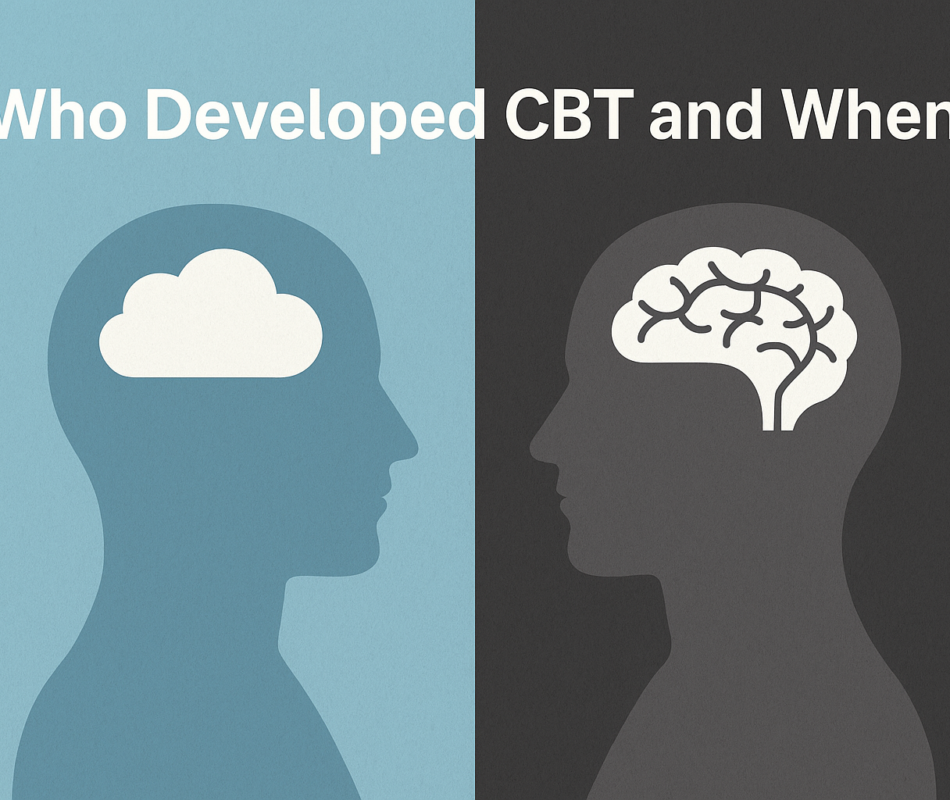

Who Developed Cognitive Behavioral Therapy (CBT)?
Cognitive Behavioral Therapy was shaped by the work of Albert Ellis and Aaron T. Beck in the 1950s and 1960s. Their research helped establish the idea that thoughts, emotions, and behaviors are closely connected.
Albert Ellis developed Rational Emotive Behavior Therapy, which focused on identifying irrational or unhelpful beliefs. Aaron T. Beck expanded the cognitive model by studying how automatic thoughts and cognitive distortions contribute to depression, anxiety, and emotional distress.
Today, CBT continues to evolve through research in psychology, neuroscience, and behavioral science. It remains one of the most widely used evidence-based therapies for helping clients identify unhelpful patterns, develop coping skills, and make meaningful changes in daily life.
Can you identify negative or inaccurate thinking?
Some of our thoughts, when challenged, can be found to be untrue, without all the evidence, or without any evidence at all.
Our minds can sometimes take us places that you may need help learning how to transfer a thought when that thought appears or even when you notice your mind wondering to that void.
Reshape negative or inaccurate thinking.
This can be a challenging . Many of our thought cycles have created their own pattern for a long time, and chaining them isn’t always easy.
Give yourself room to face difficult truths and process new information with as much time as you need.
“Change Your Thoughts. Build New Tools. Move Forward.”
Start your journey toward clearer thinking, healthier coping skills, and stronger emotional resilience.
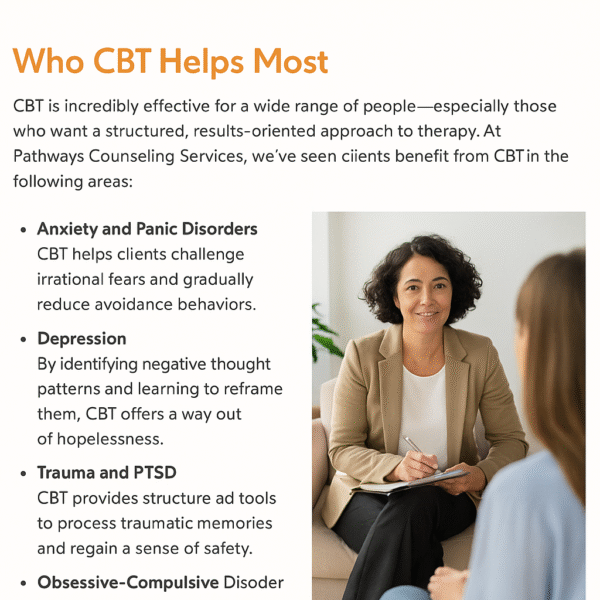
When anxiety, depression, stress, self-doubt, or negative thought patterns begin to affect daily life, Cognitive Behavioral Therapy (CBT) can help you understand what is happening and learn practical tools for change.
At Pathways Counseling Services in Scottsdale, Arizona, our therapists use CBT to help clients identify unhelpful thinking patterns, challenge automatic thoughts, reduce avoidance, and build healthier behaviors. Sessions are structured, collaborative, and focused on tools you can use outside the therapy room.
Whether you are struggling with worry, overthinking, low motivation, emotional overwhelm, relationship stress, trauma-related patterns, or self-critical thoughts, CBT can help you feel more confident and more equipped to manage life’s challenges.
CBT Check‑In Quiz (Thought Patterns & Coping)
Answer these 10 questions based on the past 2–4 weeks. This is an informational check‑in—not a diagnosis—and your answers are not stored or submitted anywhere. CBT focuses on the relationship between thoughts, emotions, and behaviors, so this quiz looks for patterns in all three.
Safety note: If you’re in immediate danger, call 911. In the U.S., you can call or text 988 for the Suicide & Crisis Lifeline, or chat at 988lifeline.org.
Question 1 of 10
Your results
Reminder: This quiz is informational, not a diagnosis. If these patterns are impacting your daily life, CBT can help you build practical tools to change them.
What this check‑in is looking for
CBT is a structured approach that helps you notice unhelpful thought patterns, test them, and practice new coping behaviors. This check‑in looks for common CBT “targets” like worry loops, harsh self‑talk, avoidance, and rumination.
Take the First Step Today
In-person and telehealth sessions available across Arizona
Structured, practical support for anxiety, depression, stress, trauma, and negative thinking
Flexible scheduling for busy lives
Call 480-639-5559
You do not have to stay stuck in the same thought patterns. CBT can help you build insight, develop coping tools, and move toward lasting emotional wellness.
Our Therapists
Meet Alyssa Dowdell: Licensed Associate Counselor
Read MoreAlyssa Dowdell, MS, LAC
Therapist
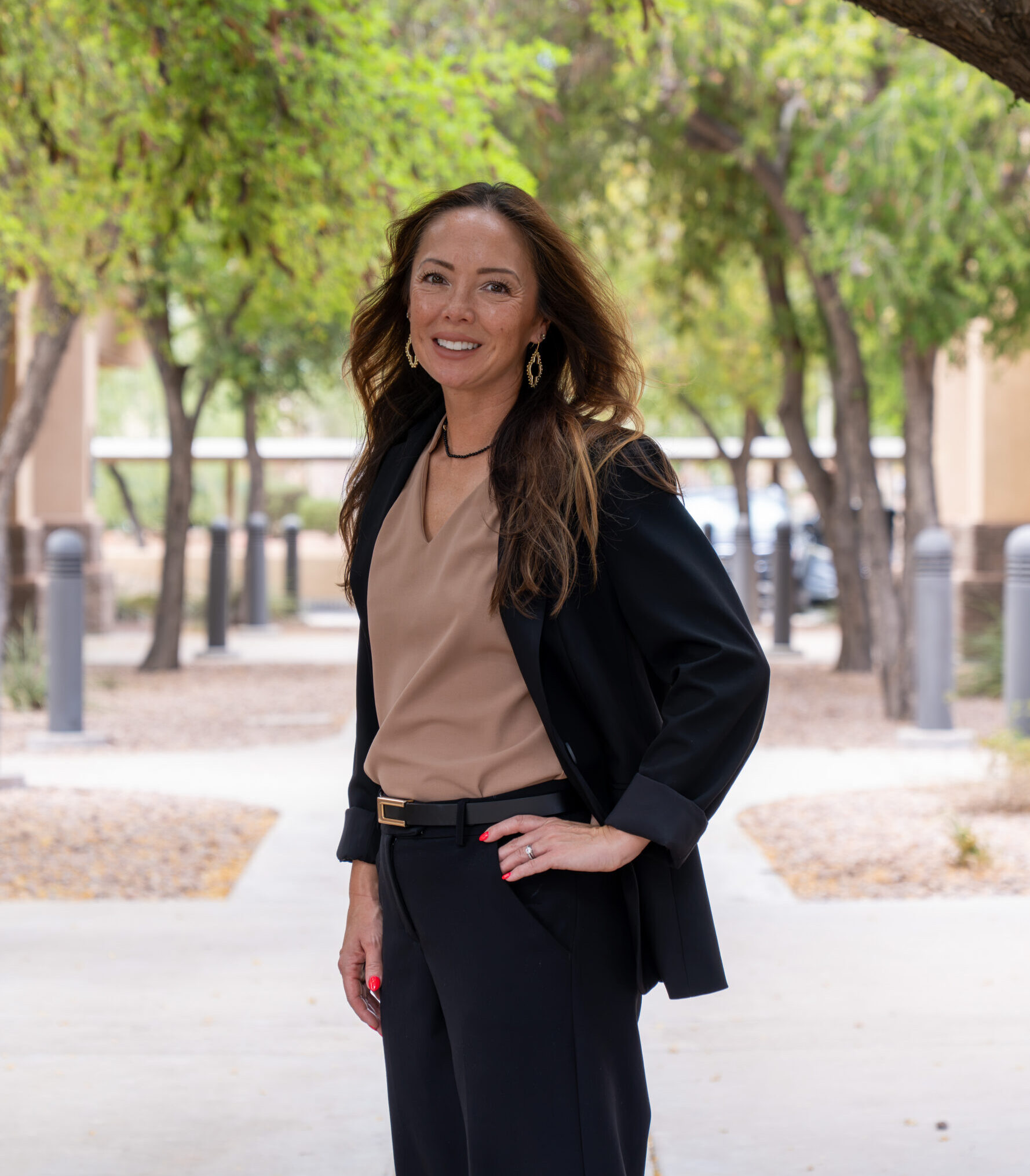
Meet Michele Rutti: Licensed Associate Counselor - children, teens, adults, couples, and families
Read MoreMichele Rutti, MS, LAC, NCC
Therapist

Meet Ali Kasulaitis, LAC — Child, Teen & Family Therapist
Read MoreAli Kasulaitis, MS, LAC
Therapist

Meet Chloe Cheek, MA, LPC - Trauma and Anxiety Therapist
Read MoreChloe Cheek, MA, LPC
Therapist

Haley Anderson, LCSW,
Read MoreHaley Anderson, LCSW
Therapist
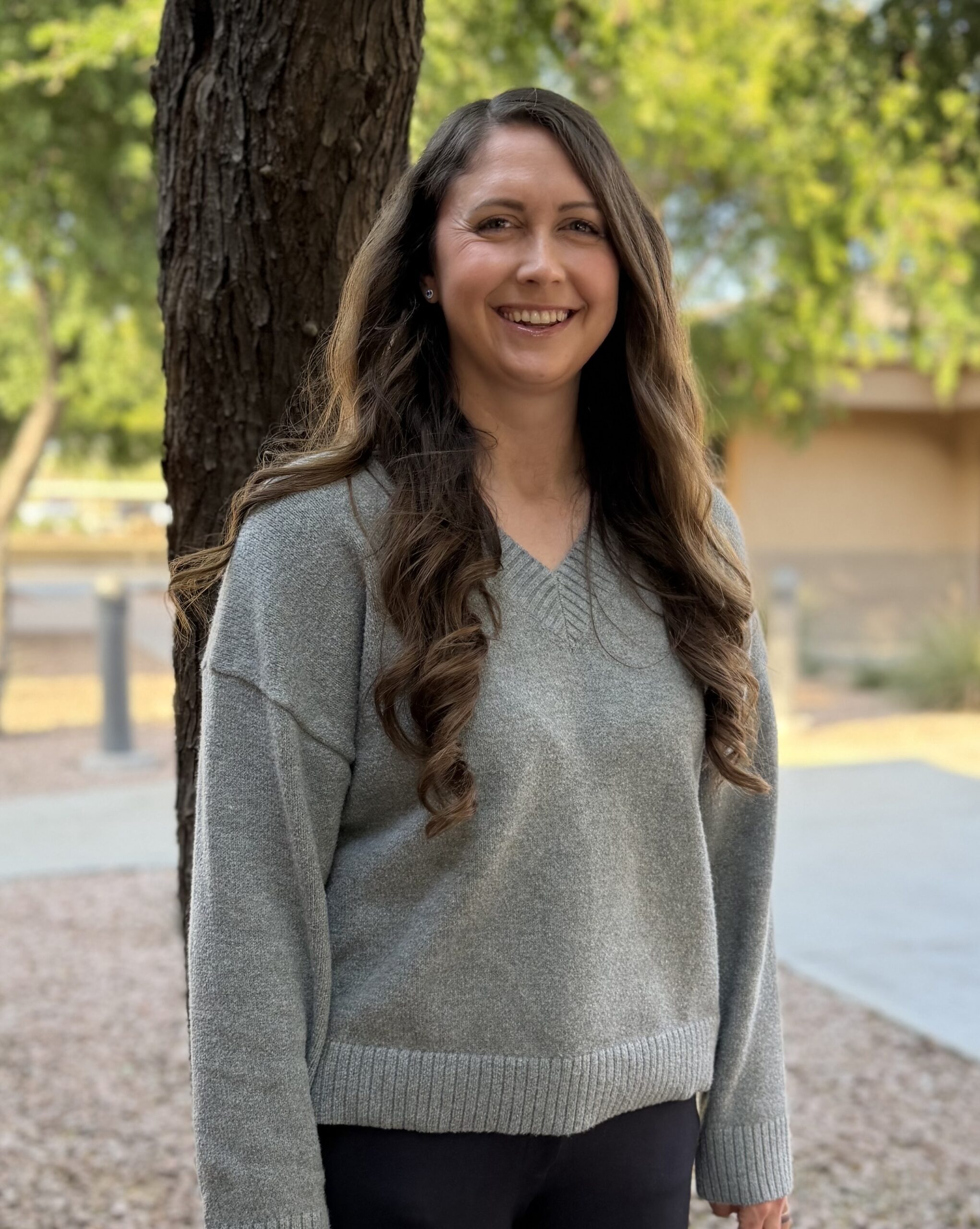
Meet Allison Zimmer, MS, LAC - Anxiety and Substance Therapist
Read MoreAllison Zimmer, MS, LAC
Therapist
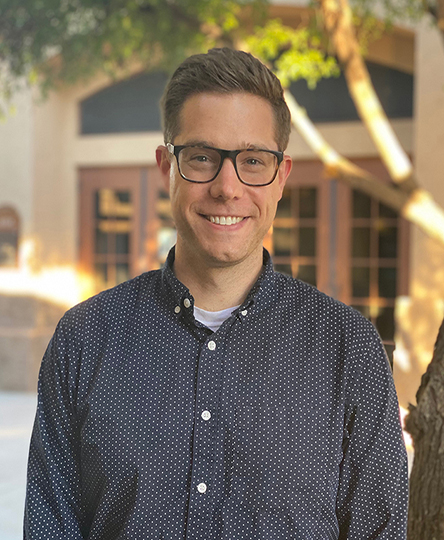
Meet David Merrick, MS Ed. LPC-S - Teens and Adult Therapist
Read MoreDavid Merrick, MS Ed. LPC-S
Clinical Director

Meet Geanine Gafni, MA, LAC
Read MoreGeanine Gafni, MA, LAC
Therapist

Meet Sofia Softas-Nall therapist Scottsdale AZ - Trauma, LGBTQIA Therapist
Read MoreSofia Softas-Nall, MS, MA, LPC, NCC
Therapist

Meet Stephanie Levitt, MA, LPC, NCC - EMDR Therapist
Read MoreStephanie Levitt, MA, LPC, NCC
Therapist
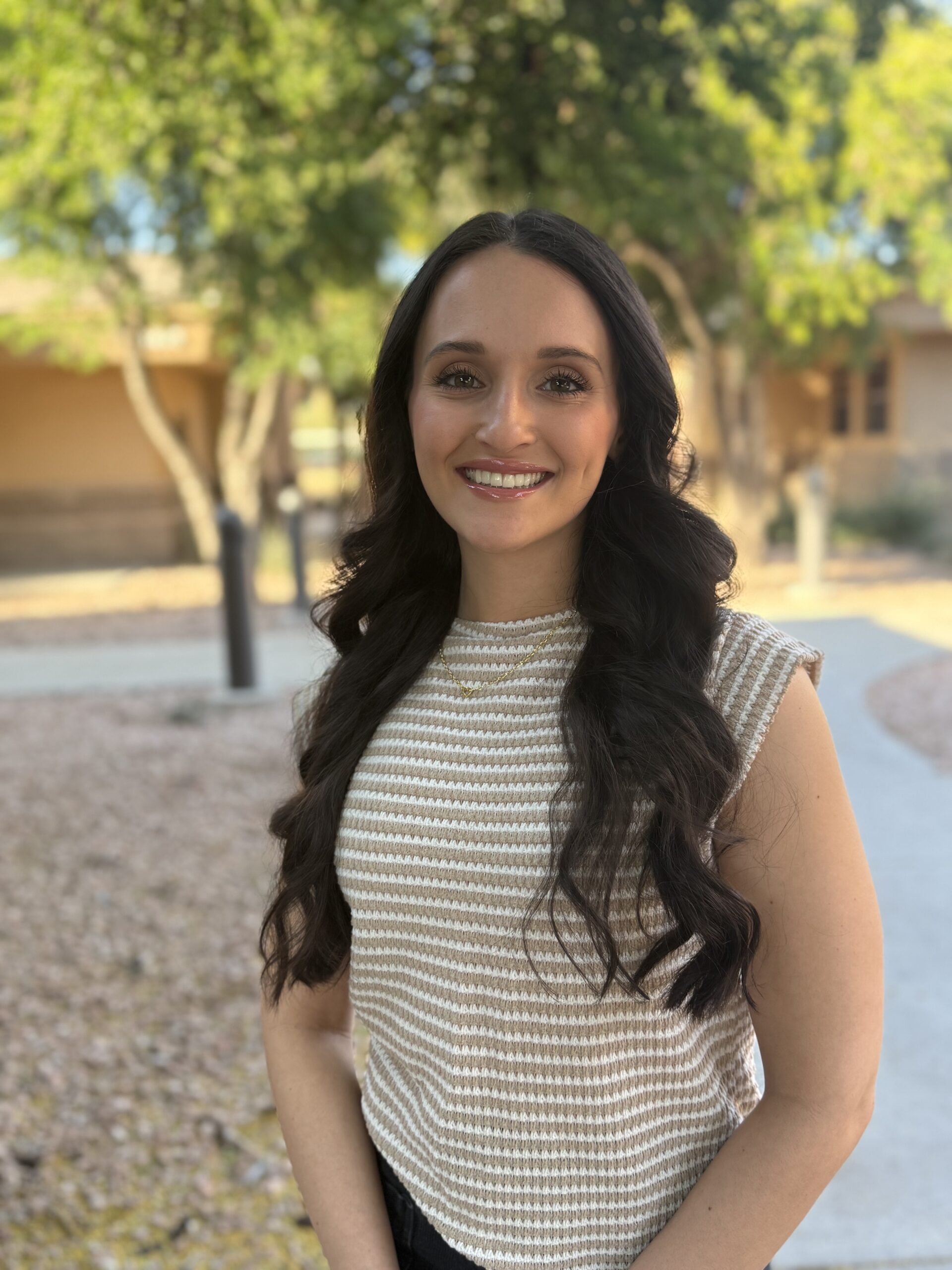
Meet Stephanie Levitt, MA, LPC, NCC
Founder of Pathways Counseling Services
Stephanie Levitt, MA, LPC, NCC, is a licensed professional counselor in Scottsdale, Arizona, and the founder of Pathways Counseling Services. With more than 20 years of clinical experience, Stephanie supports clients navigating anxiety, trauma, PTSD, depression, stress, self-doubt, and difficult thought patterns.
Stephanie provides Cognitive Behavioral Therapy (CBT) in Scottsdale, AZ, using a practical, compassionate, and evidence-based approach. Her work helps clients identify unhelpful thoughts, better understand emotional patterns, reduce avoidance, and build coping tools they can use in everyday life.
She is trained in a range of evidence-based approaches, including Cognitive Behavioral Therapy (CBT), EMDR, Solution-Focused Brief Therapy (SFBT), mindfulness-based techniques, and trauma-informed care. Depending on each client’s needs, therapy may focus on emotional regulation, anxiety management, trauma recovery, healthier thinking patterns, and long-term resilience.
Stephanie believes in creating a supportive, structured environment where clients feel heard, respected, and empowered. Her goal is to help clients gain clarity, strengthen confidence, and move forward with practical tools for meaningful change.
Outside the therapy room, Stephanie has been featured on podcasts, radio shows, and panel discussions, where she speaks about trauma recovery, women’s mental health, anxiety, and practical therapy strategies.

Schedule Your Cognitive Behavioral Therapy Session Today
Frequently Asked Questions About Cognitive Behavioral Therapy (CBT)
What is Cognitive Behavioral Therapy (CBT)
Cognitive Behavioral Therapy (CBT) is an evidence-based approach that helps individuals understand how their thoughts, emotions, and behaviors are connected. CBT focuses on identifying negative thought patterns and replacing them with healthier, more balanced ways of thinking.
How does CBT work?
CBT helps you notice automatic thoughts, challenge distorted or unhelpful beliefs, and practice new behaviors that support emotional wellness. Sessions are often structured and goal-oriented so you can apply what you learn in daily life.
What issues can CBT help with?
CBT can help with anxiety, depression, stress, trauma-related symptoms, OCD, panic, phobias, low self-esteem, negative self-talk, relationship stress, emotional regulation, and coping with major life transitions.
What happens during a CBT session?
During a CBT session, you and your therapist may identify thought patterns, explore emotional triggers, practice coping skills, challenge negative assumptions, and create action steps for real-life situations. The focus is practical, collaborative, and personalized.
How long does Cognitive Behavioral Therapy take?
CBT is often considered a short- to medium-term therapy, but the timeline depends on your goals, symptoms, and the complexity of what you are working through. Some clients notice improvement within a few sessions, while others benefit from longer-term support.
Is CBT only about positive thinking?
No. CBT is not about forcing positive thoughts or ignoring real problems. It helps clients look at thoughts more accurately, reduce unhelpful patterns, and respond to challenges in ways that are more balanced and effective.
What are common CBT techniques?
Common CBT techniques may include thought records, cognitive restructuring, behavioral activation, exposure-based strategies, coping skills practice, problem-solving, relaxation tools, and identifying patterns such as all-or-nothing thinking, catastrophizing, or mind-reading.
Can CBT help with anxiety?
Yes. CBT is commonly used to treat anxiety because it helps clients understand worry patterns, reduce avoidance, challenge catastrophic thoughts, and build coping strategies for stressful situations.
Can CBT help with depression?
Yes. CBT can help with depression by addressing negative self-talk, low motivation, hopeless thoughts, avoidance, and patterns that keep people feeling stuck. It can also support behavioral activation and healthier daily routines.
Can CBT help with trauma or PTSD?
CBT can support trauma-related concerns, especially when used in a trauma-informed way. Depending on the client’s needs, CBT may be combined with other approaches such as EMDR, mindfulness, or skills-based support.
Do you offer CBT therapy in Scottsdale, AZ?
Yes. Pathways Counseling Services provides Cognitive Behavioral Therapy in Scottsdale, AZ. Therapists support clients with anxiety, depression, trauma, stress, emotional regulation, self-esteem, and other mental health concerns.
Can CBT be done through telehealth?
Yes. CBT can often be provided through secure telehealth sessions when clinically appropriate. Pathways Counseling Services also offers in-person CBT therapy at the Scottsdale office.
Do you accept insurance for CBT therapy?
If your insurance plan offers out-of-network mental health benefits, Pathways can provide a superbill that you may submit for possible reimbursement.