


Feel Calmer, More Grounded, and More in Control
Anxiety Therapy for Adults in Scottsdale, AZ
Anxiety Therapy in Scottsdale, AZ
Anxiety can make it feel as though your mind and body never fully switch off. You may replay conversations, expect the worst, struggle to sleep, avoid situations that feel overwhelming, or experience physical symptoms such as chest tightness, a racing heart, stomach discomfort, and constant tension.
At Pathways Counseling Services, our adult anxiety therapists help you understand the cycle between anxious thoughts, physical reactions, and avoidance. Treatment is personalized and may include Cognitive Behavioral Therapy (CBT), mindfulness and nervous-system regulation, gradual exposure when appropriate, and EMDR when anxiety is connected to distressing experiences.
Therapy is not about simply telling you to stop worrying. It is about helping you feel safer in your body, respond more flexibly to anxious thoughts, and build practical skills you can use at work, in relationships, and in everyday life.


Does Anxiety Feel Like This?
- Your mind rarely slows down, even when nothing is immediately wrong.
- You replay conversations or worry about how other people perceived you.
- You frequently imagine the worst possible outcome.
- You avoid places, situations, decisions, or conversations that feel overwhelming.
- You experience panic, chest tightness, muscle tension, stomach discomfort, or difficulty sleeping.
- You appear capable and composed to others but feel exhausted or overwhelmed inside.
- Anxiety is affecting your work, relationships, confidence, health, or ability to enjoy daily life.
Anxiety does not look the same for everyone. Some people experience obvious panic or fear, while others remain highly functional but feel constantly tense, responsible, and unable to relax. Therapy can help you understand your particular anxiety pattern and begin changing the cycle.
Effective Therapy Approaches for Adult Anxiety
Anxiety can show up as constant worry, racing thoughts, physical tension, avoidance, or feeling overwhelmed in everyday situations. Therapy helps you understand what is driving these patterns and gives you practical tools to manage them more effectively.
At Pathways Counseling Services, we use evidence-based approaches such as Cognitive Behavioral Therapy (CBT), mindfulness-based strategies, and exposure-based techniques when appropriate. CBT helps you recognize and shift unhelpful thought patterns, while exposure-based work can help you gradually face situations that feel overwhelming in a safe and supported way.
Together, these approaches help you build confidence, reduce avoidance, and respond more calmly to stressors. Over time, therapy can help you feel more in control, improve emotional regulation, and create lasting changes in how you experience anxiety.
Anxiety Therapy Can Help With:
- Generalized anxiety and constant worry
- Panic attacks and fear of physical symptoms
- Social anxiety and fear of judgment
- Overthinking and difficulty relaxing
- Avoidance of stressful situations
- Anxiety related to life transitions or past experiences
Research shows that structured, evidence-based approaches like CBT and exposure-based techniques can be highly effective for anxiety. With the support of a licensed therapist, you can learn practical skills to manage stress, reduce emotional intensity, and feel more grounded in your daily life.
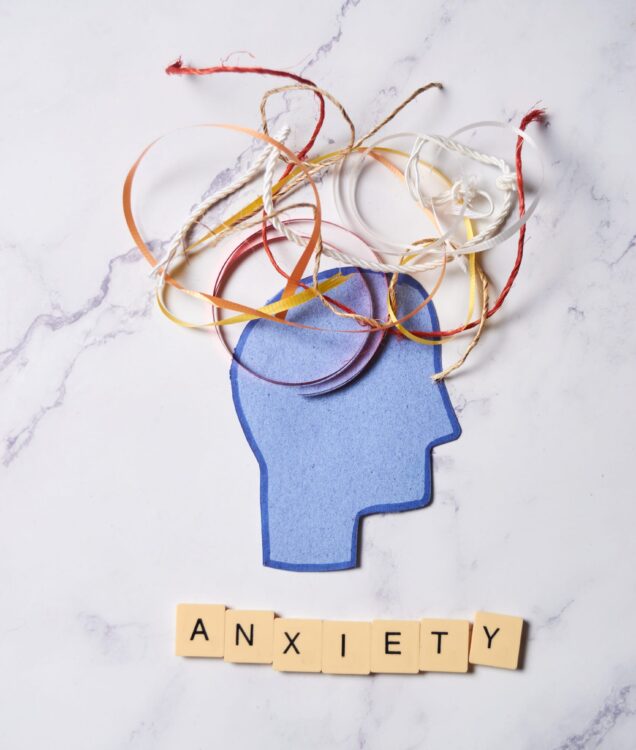
Anxiety Therapy Self-Check for Adults
Anxiety can show up as constant worry, racing thoughts, physical tension, panic, avoidance, or feeling overwhelmed by everyday responsibilities. This brief self-check can help you consider whether therapy may be helpful.
Our Therapists
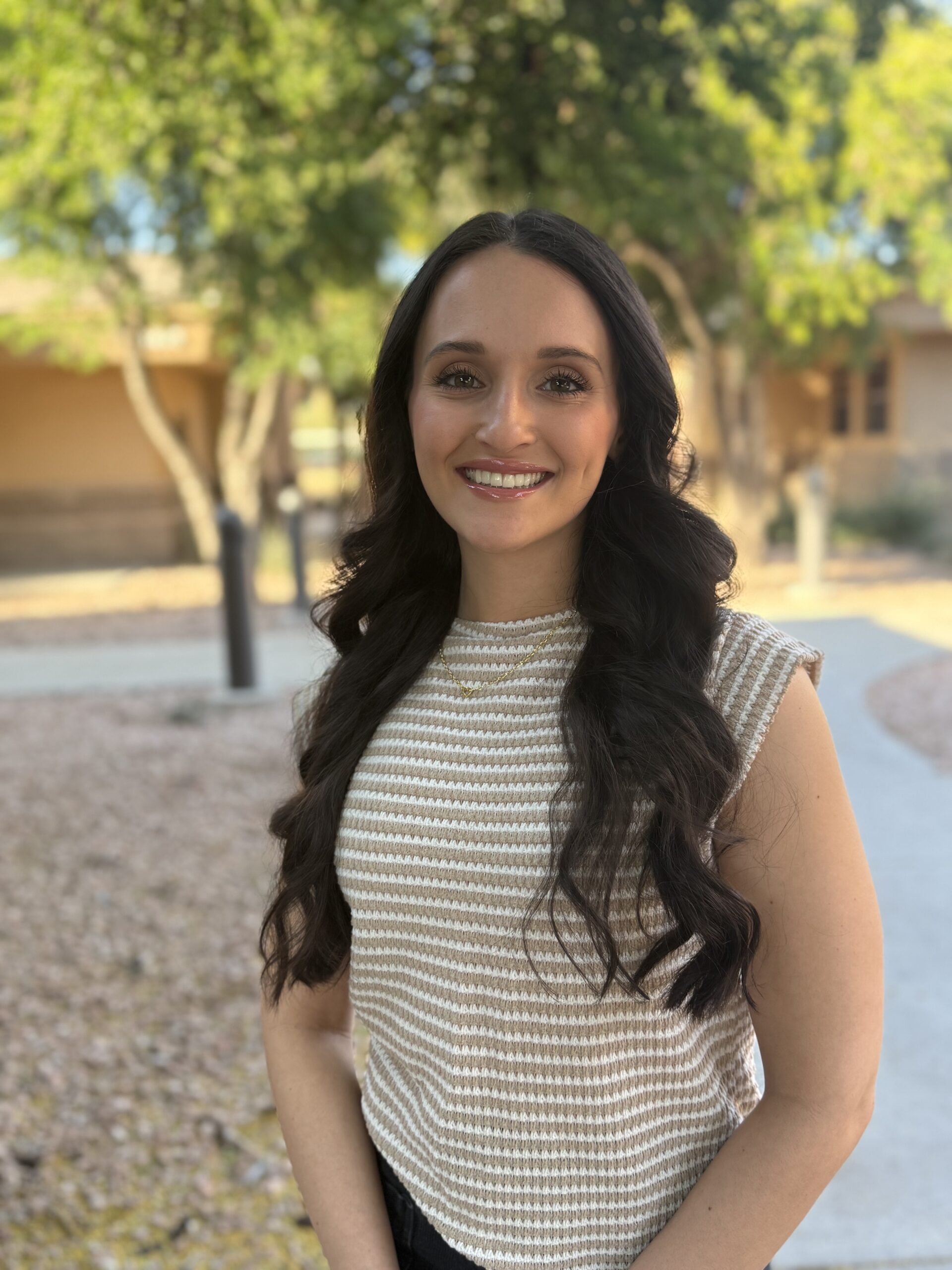
Meet Alyssa Dowdell: Licensed Associate Counselor
Read MoreAlyssa Dowdell, MS, LAC
Therapist
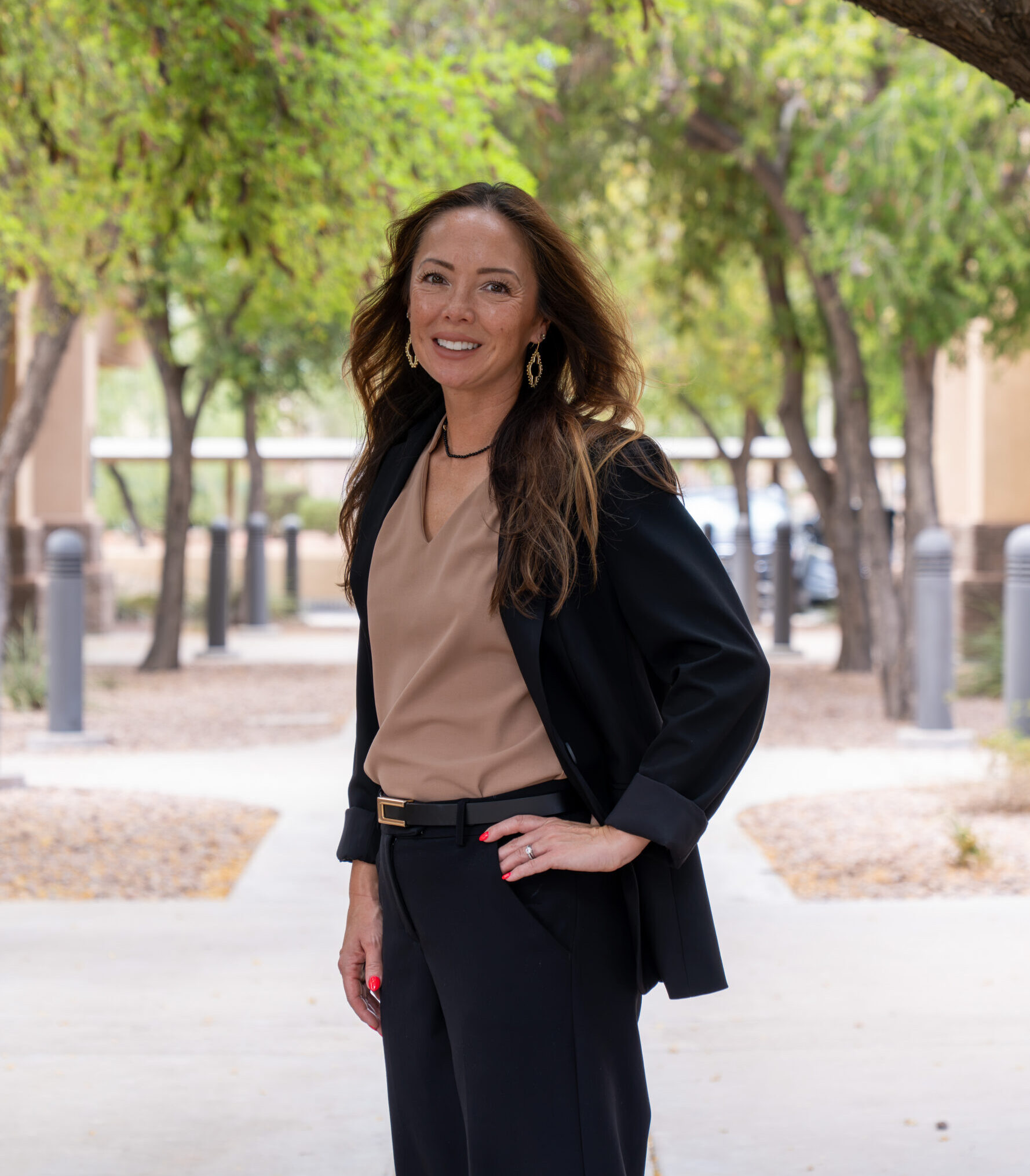
Meet Michele Rutti: Licensed Associate Counselor - children, teens, adults, couples, and families
Read MoreMichele Rutti, MS, LAC, NCC
Therapist

Meet Ali Kasulaitis, LAC — Child, Teen & Family Therapist
Read MoreAli Kasulaitis, MS, LAC
Therapist

Meet Chloe Cheek, MA, LPC - Trauma and Anxiety Therapist
Read MoreChloe Cheek, MA, LPC
Therapist
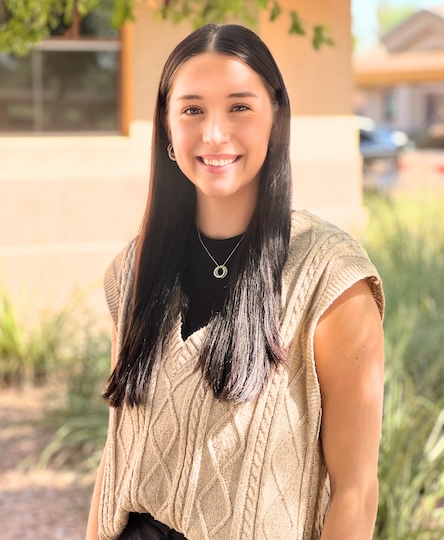
Haley Anderson, LCSW,
Read MoreHaley Anderson, LCSW
Therapist
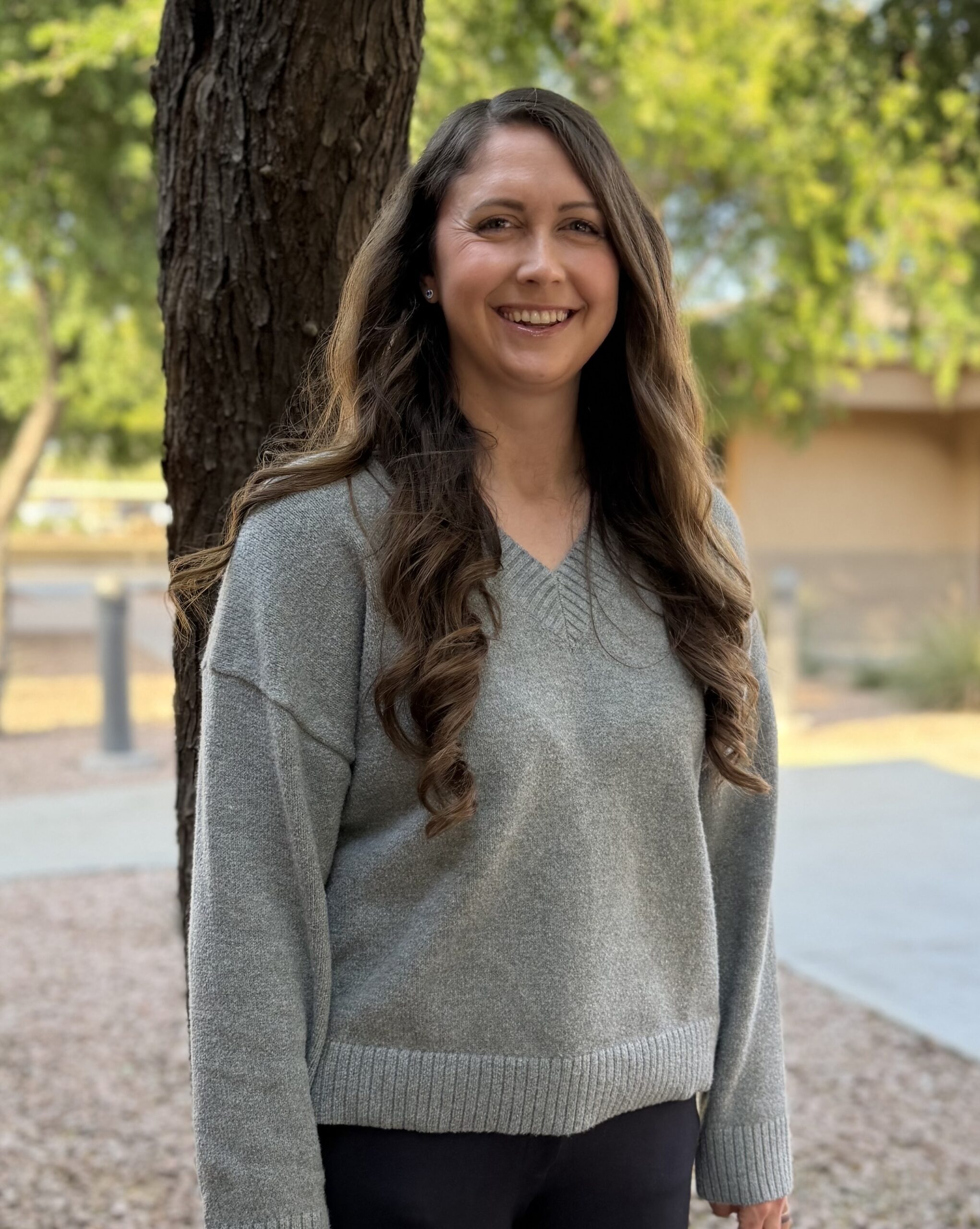
Meet Allison Zimmer, MS, LAC - Anxiety and Substance Therapist
Read MoreAllison Zimmer, MS, LAC
Therapist
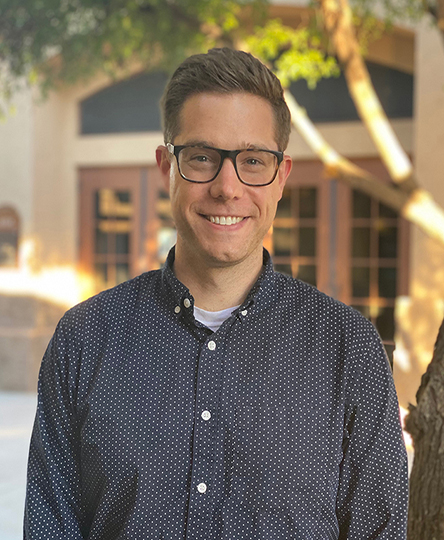
Meet David Merrick, MS Ed. LPC-S - Teens and Adult Therapist
Read MoreDavid Merrick, MS Ed. LPC-S
Clinical Director
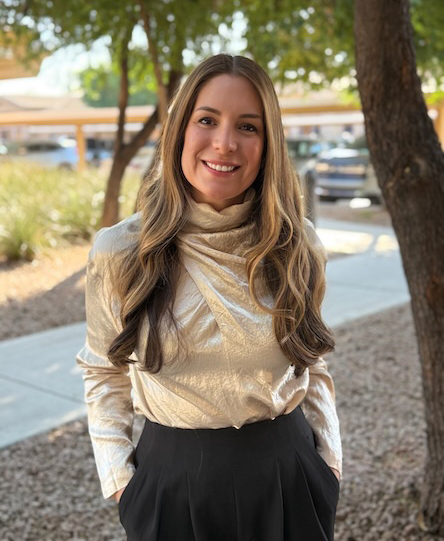
Meet Geanine Gafni, MA, LAC
Read MoreGeanine Gafni, MA, LAC
Therapist
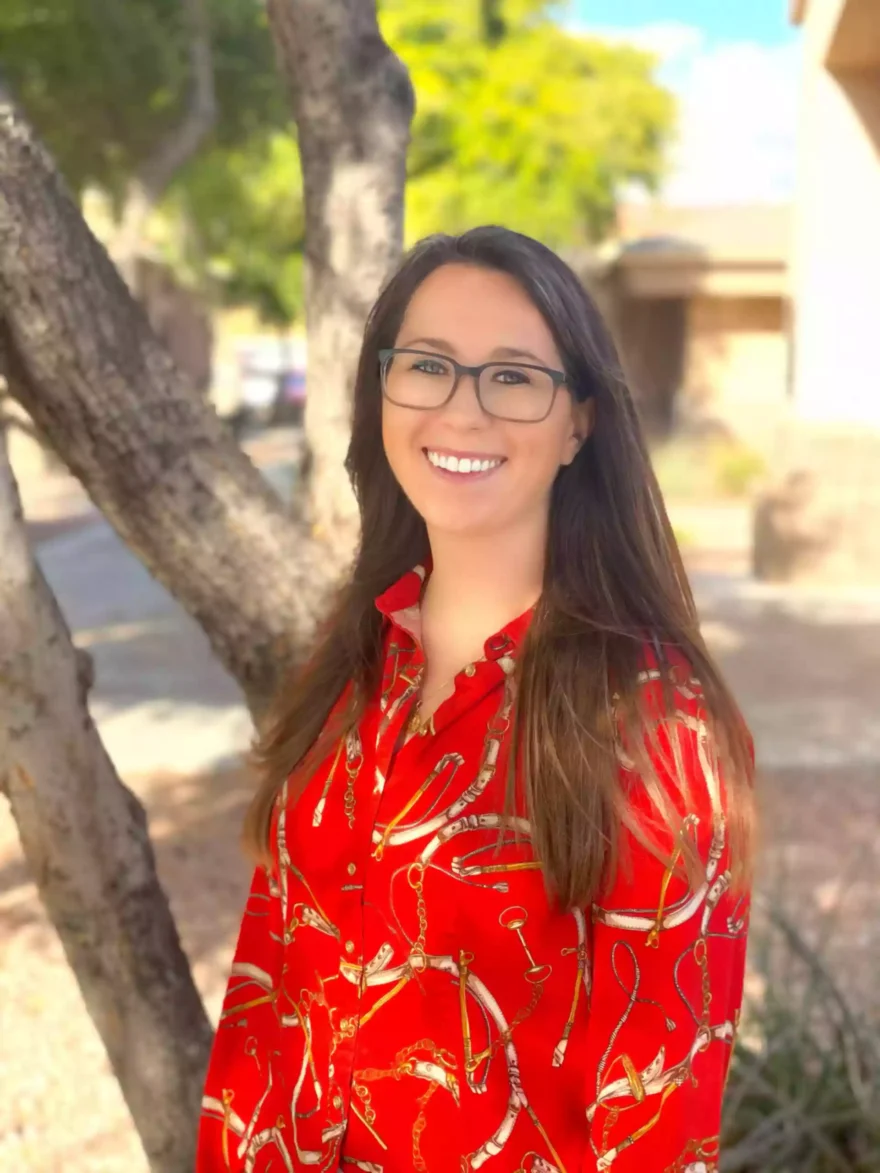
Meet Sofia Softas-Nall therapist Scottsdale AZ - Trauma, LGBTQIA Therapist
Read MoreSofia Softas-Nall, MS, MA, LPC, NCC
Therapist

Meet Stephanie Levitt, MA, LPC, NCC - EMDR Therapist
Read MoreStephanie Levitt, MA, LPC, NCC
Therapist
Meet Stephanie Levitt, MA, LPC, NCC
Founder of Pathways Counseling Services
Stephanie Levitt, MA, LPC, NCC, is a licensed professional counselor in Scottsdale, Arizona, with over 20 years of experience helping adults manage anxiety, stress, and overwhelming thoughts. She provides anxiety therapy for adults in Scottsdale, AZ, supporting clients in reducing worry, improving emotional control, and feeling more grounded in daily life.
Stephanie is trained in a range of evidence-based approaches, including Cognitive Behavioral Therapy (CBT), exposure-based therapy, EMDR, Solution-Focused Therapy (SFT), and mindfulness-based techniques. Her work focuses on helping clients understand anxiety patterns, challenge negative thinking, and develop practical coping strategies.
Stephanie believes in working alongside her clients with empathy, clarity, and clinical expertise—offering a structured and personalized approach to change. Her goal is to help you feel more in control, reduce avoidance, and build confidence in handling life’s challenges.
Outside the therapy room, Stephanie has been featured on podcasts, radio shows, and panel discussions, where she speaks about anxiety, trauma recovery, women’s mental health, and practical strategies for long-term emotional well-being.
View Stephanie’s profile on Psychology Today →

Contact Pathways Counseling Services today to schedule an anxiety therapy consultation in Scottsdale, AZ.
Frequently Asked Questions About Anxiety Therapy for Adults
What is anxiety therapy for adults and how does it work?
Anxiety therapy helps adults understand the thoughts, emotions, physical symptoms, and life stressors that contribute to anxiety. Through evidence-based approaches such as Cognitive Behavioral Therapy (CBT), mindfulness strategies, coping skills, and exposure-based techniques when appropriate, therapy helps you feel more grounded and in control.
How do I know if I need therapy for anxiety?
You may benefit from anxiety therapy if worry, panic, overthinking, avoidance, or physical symptoms are interfering with your sleep, work, relationships, or daily routine. Therapy can also help if you feel emotionally overwhelmed, constantly on edge, or exhausted from trying to manage anxiety on your own.
What types of anxiety can therapy help with?
Anxiety therapy can help with generalized anxiety, panic attacks, social anxiety, health anxiety, phobias, work-related stress, overthinking, emotional overwhelm, and anxiety connected to trauma, grief, or major life transitions.
What therapy approaches are used for adult anxiety?
Our therapists may use Cognitive Behavioral Therapy (CBT), mindfulness-based therapy, exposure-based strategies, EMDR, and other evidence-based approaches depending on your symptoms, goals, and comfort level. Treatment is personalized to your needs.
Will I have to talk about everything right away?
No. Anxiety therapy moves at a pace that feels safe and manageable. Your therapist will work with you to understand your concerns, build trust, identify goals, and develop coping tools before exploring deeper patterns or difficult experiences.
How long does anxiety therapy usually take?
The length of therapy depends on your goals, symptoms, and life circumstances. Some adults begin to notice improvement within a few sessions, while others benefit from ongoing support to create lasting change and stronger coping skills.
Do you offer anxiety therapy for adults in Scottsdale, AZ?
Yes. Pathways Counseling Services provides anxiety therapy for adults in Scottsdale, AZ. We offer in-person counseling at our Scottsdale office and virtual therapy sessions for clients throughout Arizona.
Can anxiety therapy be done through telehealth?
Yes. Many anxiety therapy techniques can be done effectively through secure telehealth sessions, including CBT, mindfulness strategies, coping skills, and support for worry, stress, panic, and emotional overwhelm.
Do you accept insurance for anxiety therapy?
Pathways Counseling Services is a fee-for-service practice and does not bill insurance directly. If your insurance plan offers out-of-network mental health benefits, we can provide a superbill that you may submit to your insurance company for possible reimbursement.
Can anxiety cause physical symptoms?
Yes. Anxiety can show up physically as chest tightness, racing heart, stomach discomfort, muscle tension, restlessness, shortness of breath, trouble sleeping, or feeling constantly on edge. Therapy can help you better understand these symptoms and learn ways to calm your nervous system.
Your Path to Mental Wellness Begins Here
At Pathways Counseling Services in Scottsdale, AZ, our therapists provide evidence-based anxiety therapy for adults using approaches such as Cognitive Behavioral Therapy (CBT), mindfulness-based strategies, coping skills, EMDR, and exposure-based techniques when appropriate.
Whether anxiety is affecting your work, relationships, sleep, health, confidence, or ability to enjoy life, therapy can help you feel more grounded, more capable, and more in control.
Contact Pathways Counseling Services today to schedule an anxiety therapy consultation in Scottsdale, AZ.
