
Bipolar Disorder Therapy In Scottsdale, AZ

Therapy support in Scottsdale helping individuals manage bipolar disorder, emotional shifts, and mood instability.
Understanding Bipolar Disorder
Bipolar disorder therapy in Scottsdale, AZ focuses on helping individuals manage the emotional highs and lows that can affect daily life. Bipolar disorder is a mood condition characterized by shifts between elevated states (mania or hypomania) and periods of depression.
These mood changes can impact sleep, energy, focus, decision-making, and relationships. Some individuals may experience periods of stability between episodes, while others notice more frequent shifts in mood or behavior.
Manic phases may include increased energy, impulsive decisions, irritability, or racing thoughts. Depressive episodes often involve low energy, lack of motivation, and difficulty enjoying daily activities. Recognizing these patterns is an important step toward effective support.
At Pathways Counseling Services, our bipolar disorder therapy in Scottsdale focuses on building emotional awareness, improving stability, and developing practical strategies to manage symptoms. With the right support, individuals can create more consistency, strengthen relationships, and feel more in control of their daily lives.
A Supportive Approach to Bipolar Disorder Therapy
Bipolar disorder can affect mood, energy, sleep, decision-making, relationships, work, and daily functioning. Therapy can help clients better understand mood patterns, identify triggers, build coping tools, strengthen emotional regulation, and create routines that support greater stability.
At Pathways Counseling Services in Scottsdale, AZ, our therapists provide compassionate, evidence-based support for adults navigating bipolar disorder, mood instability, emotional overwhelm, and the impact these symptoms can have on daily life.
Therapy may include Cognitive Behavioral Therapy (CBT), Dialectical Behavior Therapy (DBT)-informed skills, mindfulness-based strategies, coping skills, family support, and coordination with outside medical providers when appropriate.
Because bipolar disorder often benefits from a comprehensive treatment plan, therapy may work best alongside psychiatric care or medication management from a qualified medical prescriber. Your therapist can support emotional wellness, communication, coping tools, and long-term stability while collaborating with your broader care team when appropriate.

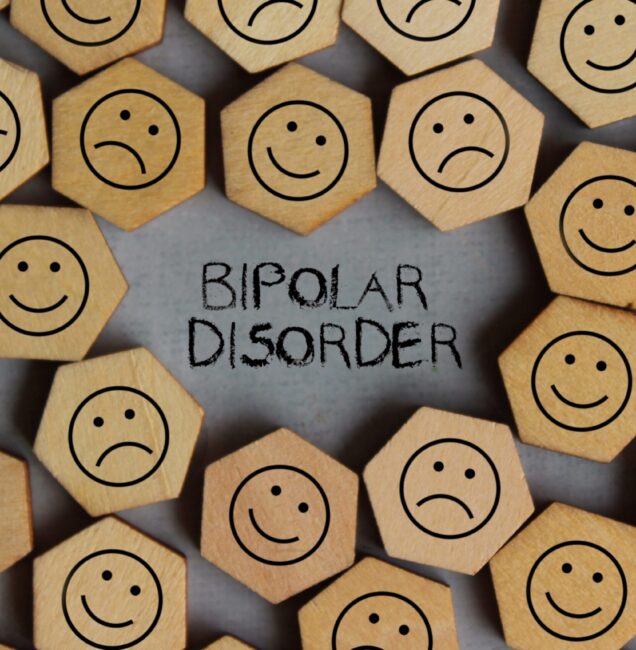
Therapy support in Scottsdale for managing bipolar disorder, emotional regulation, and mood changes.
Therapy Options for Bipolar Disorder Support
Bipolar disorder therapy is not one-size-fits-all. Treatment is tailored to each client’s symptoms, goals, support system, and current level of stability.
Cognitive Behavioral Therapy (CBT) can help clients identify unhelpful thought patterns, recognize early warning signs, and build healthier responses to stress. DBT-informed skills may support emotional regulation, distress tolerance, mindfulness, and communication. Family therapy or family involvement may also help loved ones better understand mood patterns and provide more consistent support.
Therapy may also focus on sleep routines, stress management, relapse prevention, relationship challenges, coping with depressive periods, and creating practical strategies for managing mood changes in daily life.
At Pathways Counseling Services, the goal is to help clients feel more informed, more supported, and better equipped to manage bipolar disorder with stability and confidence.
Build Healthier Responses to Bipolar Disoder
Bipolar disorder therapy can help adults better understand mood patterns, reduce emotional overwhelm, strengthen coping skills, and build routines that support greater stability.
At Pathways Counseling Services in Scottsdale, AZ, our therapists provide compassionate support for adults navigating manic or hypomanic symptoms, depressive episodes, irritability, racing thoughts, sleep disruption, relationship strain, and difficulty maintaining consistency in daily life.
Therapy can help you recognize early warning signs, develop emotional regulation tools, improve communication, strengthen support systems, and work toward a more balanced and manageable life.
You do not have to navigate mood changes alone. Contact Pathways Counseling Services today to schedule a bipolar disorder therapy consultation in Scottsdale, AZ.

How CBT Works
Pathways Counseling Services takes pride in offering CBT as a core component of their therapeutic approach. Their team of skilled counselors tailors each treatment plan to the unique needs of each individual or couple.
Through the use of CBT, clients can expect to:
- Empowerment: CBT empowers individuals, helping them feel less self-critical and more grounded in their strengths.
- Overcoming Difficult Thoughts: Clients learn how to navigate difficult thoughts that have been holding them back from accomplishing their goals, experiencing joy, and embracing the best parts of life.
- Grounded in Reality: CBT isn’t about blindly adopting positive thinking. Instead, it focuses on cultivating realistic thinking, which leads to improved mood and behavior.
- Present-Focused: Unlike some forms of therapy that dwell on the past, CBT’s primary focus is on addressing current problems and finding practical solutions. It encourages clients to apply what they learn in therapy to their daily lives, promoting rapid progress.


Benefits of Cognitive Behavioral Therapy
Lorem ipsum dolor sit amet consectetur adipiscing elit. Quisque faucibus ex sapien vitae pellentesque sem placerat. In id cursus mi pretium tellus duis convallis. Tempus leo eu aenean sed diam urna tempor. Pulvinar vivamus fringilla lacus nec metus bibendum egestas. Iaculis massa nisl malesuada lacinia integer nunc posuere. Ut hendrerit semper vel class aptent taciti sociosqu. Ad litora torquent per conubia nostra inceptos himenaeos.
Key Takeaways
- Lorem ipsum dolor sit amet consectetur adipiscing elit.
- Lorem ipsum dolor sit amet consectetur adipiscing elit.
- Lorem ipsum dolor sit amet consectetur adipiscing elit.
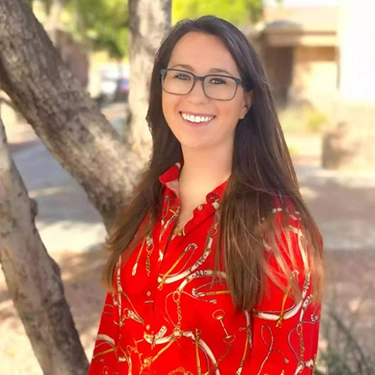
Meet Your Therapist

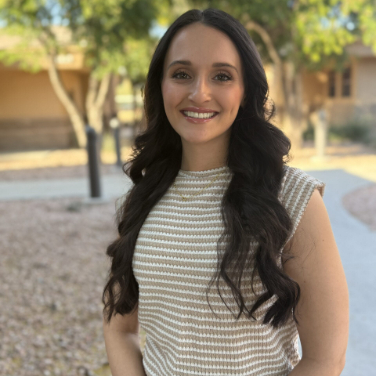

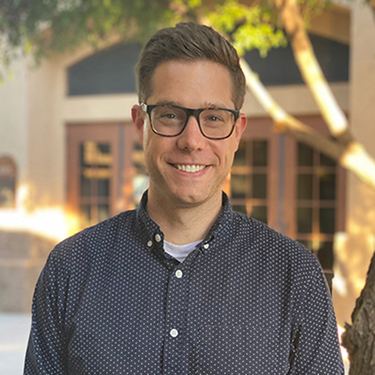


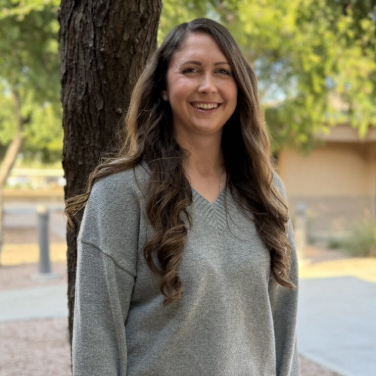


Testimonials
From Our Clients

Pathways Counseling Services is a warm, friendly, Spa like environment. From the moment you walk in the door, you can tell that they are there to help; to make you feel welcomed and safe.
J.D. | Google Review
There are times when we all need a tune up in life or maybe a transformation. We all think we can get over the challenges we have “on our own.” And what I found is that’s just not healthy nor true. – the Pathways leadership team provides the real care without judgement, with clear listening, and a game plan for a purpose I driven life. Whatever you are going through, trust this team to be your trusted advisors. I do, and they are making a difference in my life. How about you?
S.M. | Google Review
Our family has had the best experience at Pathways Counseling Services. My sister is like a different person in a great way! She no longer struggles from the crippling anxiety and OCD that she’s had since we were kids. She did EMDR and Exposure and Response Prevention with her therapist and it’s like a miracle!
K.V. | Google Review
Frequently Asked Questions
What is bipolar disorder therapy?
Bipolar disorder therapy is counseling designed to help clients better understand mood patterns, manage emotional highs and lows, build coping skills, and create strategies for greater stability in daily life. Therapy may support emotional regulation, communication, routines, stress management, and relapse prevention.
How do I know if I need therapy for bipolar disorder?
Therapy may be helpful if mood changes, depression, irritability, impulsivity, sleep disruption, racing thoughts, or emotional highs and lows are affecting your relationships, work, school, decision-making, or daily functioning.
What are common signs of bipolar disorder?
Common signs may include periods of unusually elevated or irritable mood, increased energy, racing thoughts, impulsive decisions, reduced need for sleep, followed by periods of depression, low motivation, fatigue, hopelessness, or difficulty enjoying daily life. A licensed professional or medical provider can help with assessment and treatment planning.
Can therapy help with bipolar disorder?
Yes. Therapy can help clients understand mood patterns, identify triggers, build coping tools, strengthen routines, improve communication, manage stress, and create plans for maintaining stability. Therapy is often most helpful as part of a broader treatment plan.
What types of therapy are used for bipolar disorder?
Therapists may use Cognitive Behavioral Therapy (CBT), DBT-informed skills, mindfulness-based strategies, psychoeducation, family support, coping skills training, and relapse-prevention planning depending on the client’s needs and goals.
Is medication required for bipolar disorder?
Many people with bipolar disorder benefit from medication as part of their treatment plan, but medication decisions should be made with a qualified medical prescriber or psychiatrist. Therapy can support emotional wellness, coping skills, routines, and communication alongside medical care when appropriate.
Can therapy help during depressive episodes?
Yes. Therapy can help clients cope with low mood, loss of motivation, negative thoughts, isolation, sleep disruption, and difficulty functioning. A therapist can help clients build manageable steps, coping tools, and support strategies during depressive periods.
Can therapy help during manic or hypomanic symptoms?
Therapy can help clients recognize early warning signs, reduce impulsive patterns, create safety plans, improve sleep and routine awareness, and identify strategies for seeking support when symptoms increase. If symptoms become severe or unsafe, immediate medical or crisis support may be needed.
Do you offer bipolar disorder therapy in Scottsdale, AZ?
Yes. Pathways Counseling Services provides bipolar disorder therapy for adults in Scottsdale, AZ. Therapists support clients with mood regulation, emotional stability, coping skills, communication, and daily functioning.
Can bipolar disorder therapy be done through telehealth?
Yes. Bipolar disorder therapy may be available through secure telehealth sessions when clinically appropriate. Pathways Counseling Services also offers in-person therapy at the Scottsdale office.
What if I am in crisis or feel unsafe?
If you are in immediate danger or may harm yourself or someone else, call 911 or go to the nearest emergency room. You can also call or text 988 for the Suicide & Crisis Lifeline. Therapy can provide ongoing support, but emergencies require immediate crisis care.
Do you accept insurance for bipolar disorder therapy?
Pathways Counseling Services is a fee-for-service practice and does not bill insurance directly. If your insurance plan offers out-of-network mental health benefits, Pathways can provide a superbill that you may submit for possible reimbursement.