



Child and teen bipolar disorder therapy


A Supportive Approach to Child & Teen Bipolar Therapy
Child and teen bipolar disorder therapy can help young people better understand mood changes, emotional highs and lows, irritability, impulsivity, low motivation, and shifts in sleep, energy, or behavior.
At Pathways Counseling Services in Scottsdale, AZ, our therapists provide age-appropriate, compassionate support for children, teens, and families navigating mood instability and emotional overwhelm. Therapy may help young clients build emotional awareness, identify triggers, strengthen coping skills, and improve communication at home and school.
Treatment may include Cognitive Behavioral Therapy (CBT), DBT-informed emotional regulation skills, mindfulness-based tools, family support, parent guidance, and coordination with outside medical or psychiatric providers when appropriate.
Because bipolar disorder in young people can be complex, therapy is often one part of a broader treatment plan. Families may also benefit from psychiatric evaluation, medication management from a qualified medical provider, school support, and consistent routines that help create stability.
Therapy Options for Children and Teens with Mood Instability
Support for child and teen bipolar disorder should be tailored to the young person’s age, symptoms, family system, and current level of stability. Therapy is not one-size-fits-all.
Individual therapy can help children and teens explore emotions, recognize mood patterns, and build coping strategies in a private and supportive space. CBT may help young clients identify unhelpful thoughts, understand behavior patterns, and develop healthier responses to stress.
DBT-informed skills may support emotional regulation, distress tolerance, mindfulness, and communication. Family therapy or parent involvement can also help caregivers understand mood changes, create structure, reduce conflict, and respond more consistently at home.
For younger children, therapy may include play-based or developmentally appropriate strategies that make emotional expression easier. For teens, sessions may focus on mood tracking, routines, relationships, school stress, identity, coping skills, and safety planning when needed.
The goal is to help young people and families feel more informed, more supported, and better equipped to manage mood changes over time.


Families seeking support for child or teen bipolar disorder may also benefit from related services such as child therapy, teen therapy, family therapy, CBT, DBT-informed therapy, and proactive parenting support. Parents may also find education from trusted mental health resources helpful when learning more about mood symptoms, treatment options, and when to seek additional care.
Could Your Child Need Support for Mood Changes?
This quick self-check can help you consider whether your child may benefit from therapy support for mood swings, emotional highs and lows, irritability, or changes in behavior. This is not a diagnosis.
Our Therapists
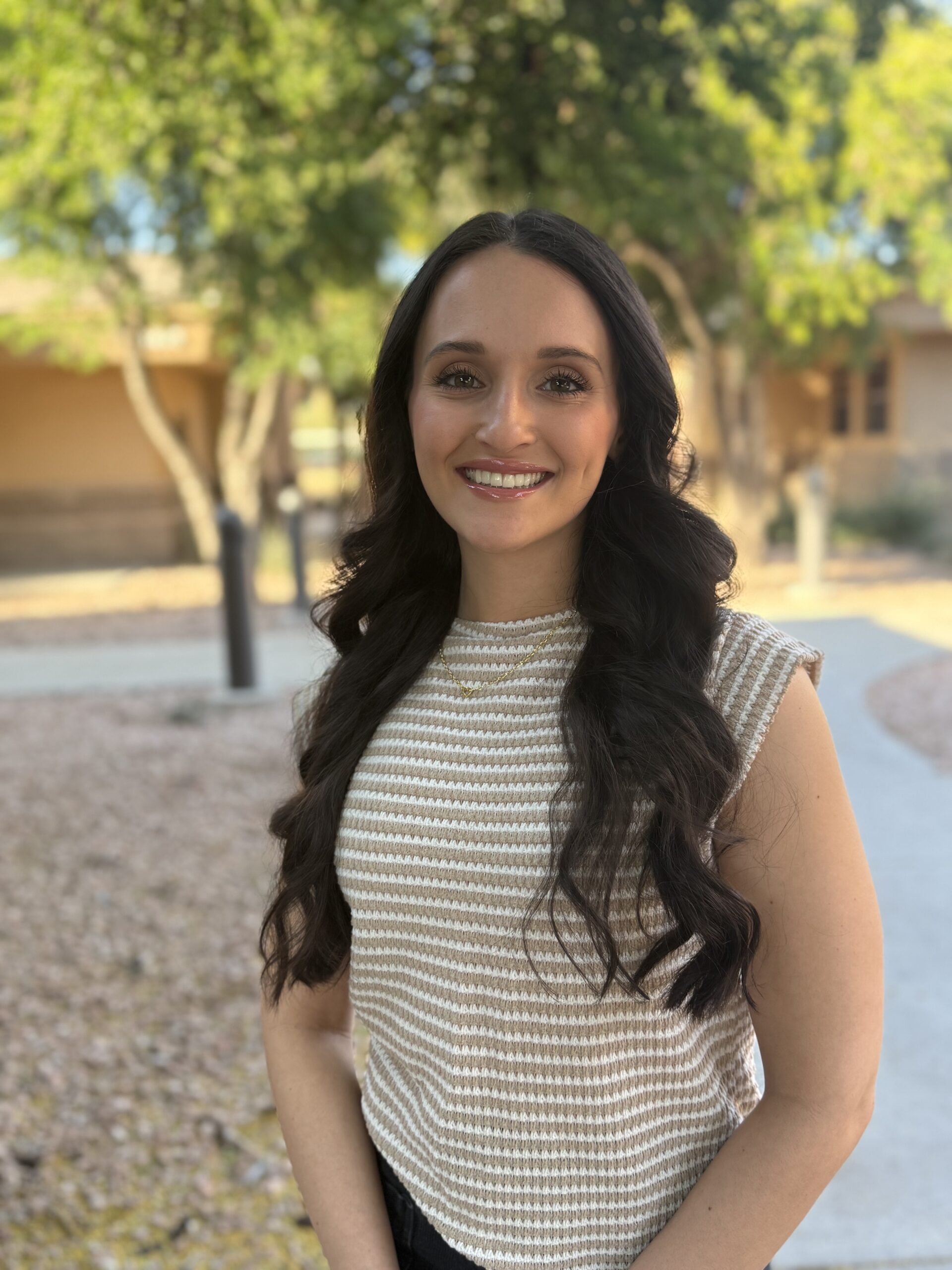
Meet Alyssa Dowdell: Licensed Associate Counselor
Read MoreAlyssa Dowdell, MS, LAC
Therapist

Meet Michele Rutti: Licensed Associate Counselor - children, teens, adults, couples, and families
Read MoreMichele Rutti, MS, LAC, NCC
Therapist

Meet Ali Kasulaitis, LAC — Child, Teen & Family Therapist
Read MoreAli Kasulaitis, MS, LAC
Therapist

Meet Chloe Cheek, MA, LPC - Trauma and Anxiety Therapist
Read MoreChloe Cheek, MA, LPC
Therapist

Haley Anderson, LCSW,
Read MoreHaley Anderson, LCSW
Therapist
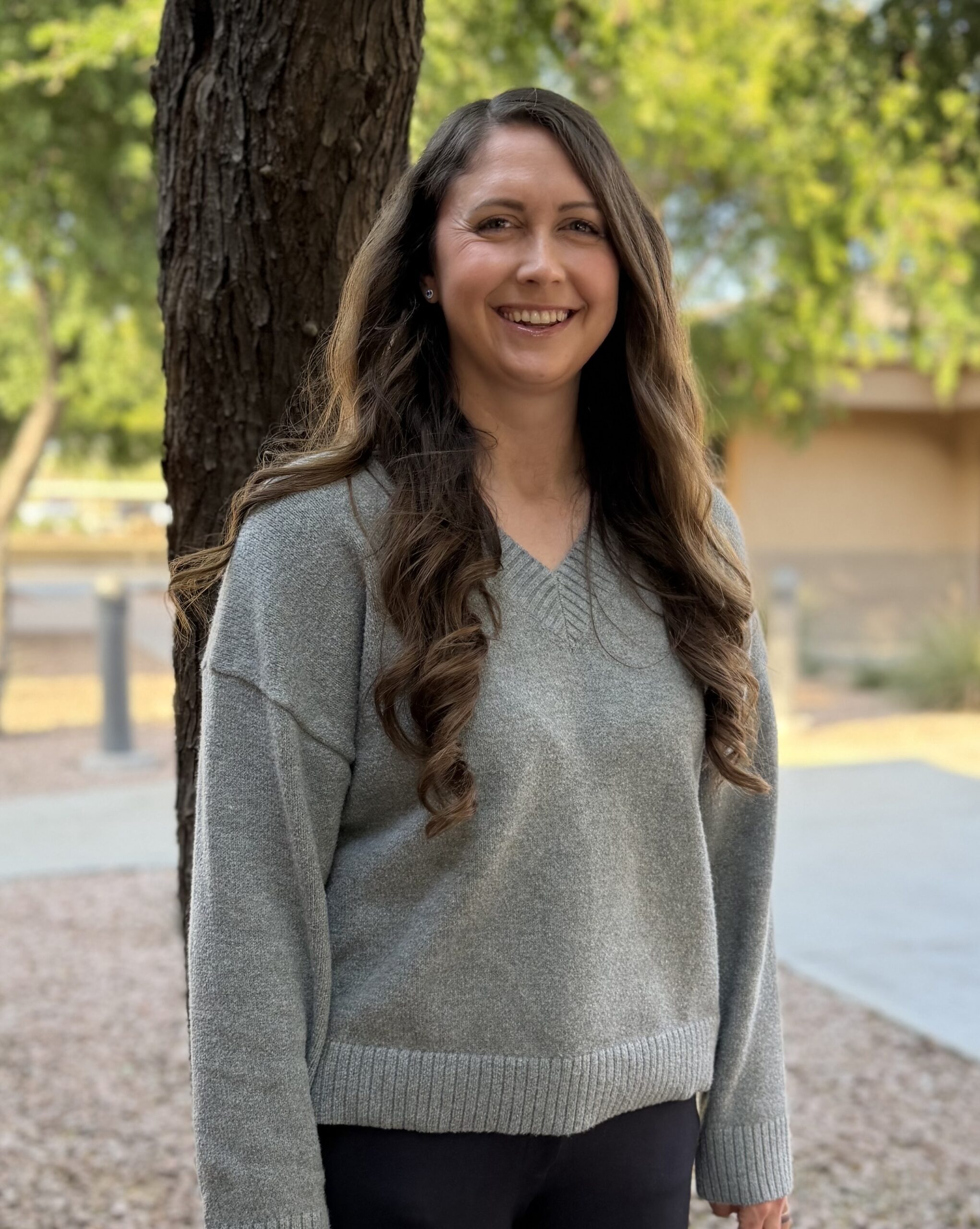
Meet Allison Zimmer, MS, LAC - Anxiety and Substance Therapist
Read MoreAllison Zimmer, MS, LAC
Therapist

Meet David Merrick, MS Ed. LPC-S - Teens and Adult Therapist
Read MoreDavid Merrick, MS Ed. LPC-S
Clinical Director

Meet Geanine Gafni, MA, LAC
Read MoreGeanine Gafni, MA, LAC
Therapist

Meet Sofia Softas-Nall therapist Scottsdale AZ - Trauma, LGBTQIA Therapist
Read MoreSofia Softas-Nall, MS, MA, LPC, NCC
Therapist

Meet Stephanie Levitt, MA, LPC, NCC - EMDR Therapist
Read MoreStephanie Levitt, MA, LPC, NCC
Therapist
Meet Stephanie Levitt, MA, LPC, NCC,
Founder of Pathways Counseling Services
Stephanie Levitt, MA, LPC, NCC is a licensed professional counselor in Scottsdale, Arizona, and the founder of Pathways Counseling Services. With more than 20 years of clinical experience, Stephanie supports children, teens, adults, and families navigating mood instability, anxiety, trauma, emotional overwhelm, behavioral changes, and major life transitions.
On the Child & Teen Bipolar Disorder Therapy page, Stephanie’s work reflects a compassionate and structured approach to helping young people better understand mood patterns, build emotional regulation skills, and strengthen coping tools for everyday life.
Stephanie is trained in a range of evidence-based approaches, including Cognitive Behavioral Therapy (CBT), EMDR, Solution-Focused Brief Therapy (SFBT), mindfulness-based techniques, and skills-based strategies that support emotional awareness, communication, and resilience.
She believes in working closely with children, teens, and parents when appropriate. Therapy may include parent guidance, family communication support, and practical tools that help create more consistency and stability at home, at school, and in relationships.
Outside the therapy room, Stephanie has been featured on podcasts, radio shows, and panel discussions, where she speaks about child and teen mental health, trauma recovery, women’s mental health, and practical strategies for supporting families.
View Stephanie’s profile on Psychology Today →

Contact Pathways Counseling Services today to schedule a child or teen bipolar disorder therapy consultation in Scottsdale, AZ.
Frequently Asked Questions About Child & Teen Bipolar Disorder Therapy
What is child and teen bipolar disorder therapy?
Child and teen bipolar disorder therapy supports young people who experience significant mood changes, emotional highs and lows, irritability, impulsivity, depressive symptoms, or changes in sleep, energy, and behavior. Therapy helps children, teens, and families build coping tools, emotional awareness, routines, and communication skills.
What are signs my child or teen may be experiencing mood instability?
Signs may include noticeable shifts in mood, high energy, irritability, impulsive behavior, emotional intensity, low mood, fatigue, withdrawal, sleep changes, difficulty concentrating, or behavior changes that affect school, family life, or relationships.
Is it normal for children and teens to have mood swings?
Some mood changes are normal during development. Therapy may be helpful when mood shifts are intense, frequent, disruptive, or different from the child’s usual behavior. A therapist can help families better understand what may be happening and what kind of support is appropriate.
Can therapy diagnose bipolar disorder in children or teens?
A therapist can assess symptoms, understand patterns, and recommend next steps, but bipolar disorder in young people can be complex and may require a thorough evaluation by a qualified mental health or medical professional. In some cases, psychiatric evaluation may also be recommended.
How can therapy help my child or teen?
Therapy can help children and teens build emotional awareness, identify triggers, develop coping skills, improve communication, and manage mood-related stress. It can also support parents with tools for structure, consistency, and family communication.
What types of therapy are used for child and teen bipolar disorder?
Therapists may use Cognitive Behavioral Therapy (CBT), DBT-informed emotional regulation skills, mindfulness-based strategies, family support, parent guidance, coping skills training, mood tracking, and safety planning when appropriate.
Will parents be involved in therapy?
Yes. Parent involvement is often important when supporting children or teens with mood instability. Therapists may work with parents to improve communication, create consistent routines, recognize warning signs, and support progress at home.
Is medication required for child or teen bipolar disorder?
Medication decisions should be made with a qualified medical provider or psychiatrist. Many young people with bipolar disorder benefit from a comprehensive treatment plan that may include therapy, family support, routines, school support, and medication management when appropriate.
Can therapy help during depressive periods?
Yes. Therapy can help children and teens cope with low mood, withdrawal, low motivation, negative thoughts, school stress, and relationship challenges. A therapist can help build manageable steps and support strategies during difficult periods.
Can therapy help during high-energy, irritable, or impulsive periods?
Therapy can help young people and families recognize early warning signs, reduce impulsive patterns, strengthen coping skills, create routines, and develop support plans. If symptoms become severe or unsafe, immediate medical or crisis support may be needed.
Do you offer child and teen bipolar disorder therapy in Scottsdale, AZ?
Yes. Pathways Counseling Services provides child and teen bipolar disorder therapy in Scottsdale, AZ. Therapists support young people and families with mood regulation, emotional stability, coping skills, communication, and daily functioning.
Can child and teen bipolar therapy be done through telehealth?
In some cases, yes. Telehealth may be appropriate for teens or parent-focused sessions. For younger children or more complex concerns, in-person therapy may be more helpful.
What if my child or teen is in crisis or feels unsafe?
If your child or teen is in immediate danger or may harm themselves or someone else, call 911 or go to the nearest emergency room. You can also call or text 988 for the Suicide & Crisis Lifeline. Therapy can provide ongoing support, but emergencies require immediate crisis care.
Do you accept insurance for child and teen bipolar disorder therapy?
Pathways Counseling Services is a fee-for-service practice and does not bill insurance directly. If your insurance plan offers out-of-network mental health benefits, Pathways can provide a superbill that you may submit for possible reimbursement.
