



Pathways Counseling Services
Child Trauma Counseling in Scottsdale, AZ
Understanding Child Trauma and Its Impact
Child trauma can affect a child’s emotions, behavior, sleep, relationships, school functioning, and sense of safety. Some children may become anxious, withdrawn, clingy, irritable, aggressive, fearful, or emotionally overwhelmed after a frightening or painful experience.
Trauma may come from many experiences, including abuse, neglect, loss, medical stress, family conflict, accidents, violence, divorce, sudden changes, or witnessing something scary. Children do not always have the words to explain what they are feeling, so trauma may show up through behavior, play, sleep changes, stomachaches, headaches, school struggles, or difficulty separating from caregivers.
At Pathways Counseling Services in Scottsdale, AZ, child trauma counseling provides a safe, supportive space where children can begin to process overwhelming experiences at a pace that fits their age and emotional readiness.
Therapy may use play, art, stories, CBT-informed tools, grounding skills, mindfulness, parent support, and trauma-informed care to help children feel safer, more understood, and more able to cope.


How Pathways Supports Children and Families
At Pathways Counseling Services, child trauma counseling is tailored to the child’s age, symptoms, personality, family system, and current needs. The goal is to help children feel safe enough to express themselves while giving parents tools to support healing at home.
Because children often communicate through behavior and play, therapy may include developmentally appropriate strategies such as play therapy, drawing, storytelling, coping skills, emotional identification, and calming tools.
Therapists may also work with parents and caregivers to better understand trauma responses, recognize triggers, strengthen communication, and create consistent routines that support the child’s sense of safety.
Child trauma therapy is not about forcing a child to talk before they are ready. It is about helping the child feel seen, supported, and emotionally safe while gradually building tools for healing.
Therapy Approaches Used in Child Trauma Counseling
Child trauma counseling may use several evidence-based and age-appropriate approaches depending on the child’s needs.
Play therapy can help younger children express feelings they may not be able to put into words. CBT-informed strategies may help children understand thoughts, feelings, body signals, and behavior patterns. Mindfulness and grounding tools can help children calm their bodies when they feel scared, overwhelmed, or triggered.
Therapy may also include emotional regulation skills, parent-child communication support, family check-ins, trauma-informed coping tools, and gradual skill-building to help children feel more confident and secure.
The therapist’s role is to create a safe and supportive environment where children can process difficult experiences without shame, pressure, or judgment.

The Importance of Parental Involvement in Child Trauma Therapy
Parental involvement is one of the most important factors in successful child trauma therapy. Children heal best when the people who support them every day are included in the process. When appropriate, parents may be invited to participate in sessions to help build safety, strengthen communication, and reinforce progress at home.
In many cases, trauma affects the entire family system—not just the child. Family sessions or parent check-ins can help caregivers better understand what the child is experiencing and how trauma may be showing up through behavior, emotions, sleep, school challenges, or relationships. This support often reduces misunderstandings and creates a calmer, more connected home environment.
Therapists also work with parents to provide practical tools and strategies, such as:
- How to recognize trauma triggers
- How to respond during meltdowns or shutdowns
- How to support emotional regulation and coping skills
- How to rebuild a child’s sense of safety and trust
- How to create consistency with routines, boundaries, and reassurance
When caregivers know what to do in difficult moments, children often feel less alone and more understood. Over time, this collaborative approach strengthens family bonds and helps children recover more effectively.
Ultimately, parent involvement enhances childhood trauma treatment by ensuring the child has support not only in therapy—but also in daily life where healing continues.
Is Child Trauma Therapy Right for Your Child?
Our Therapists
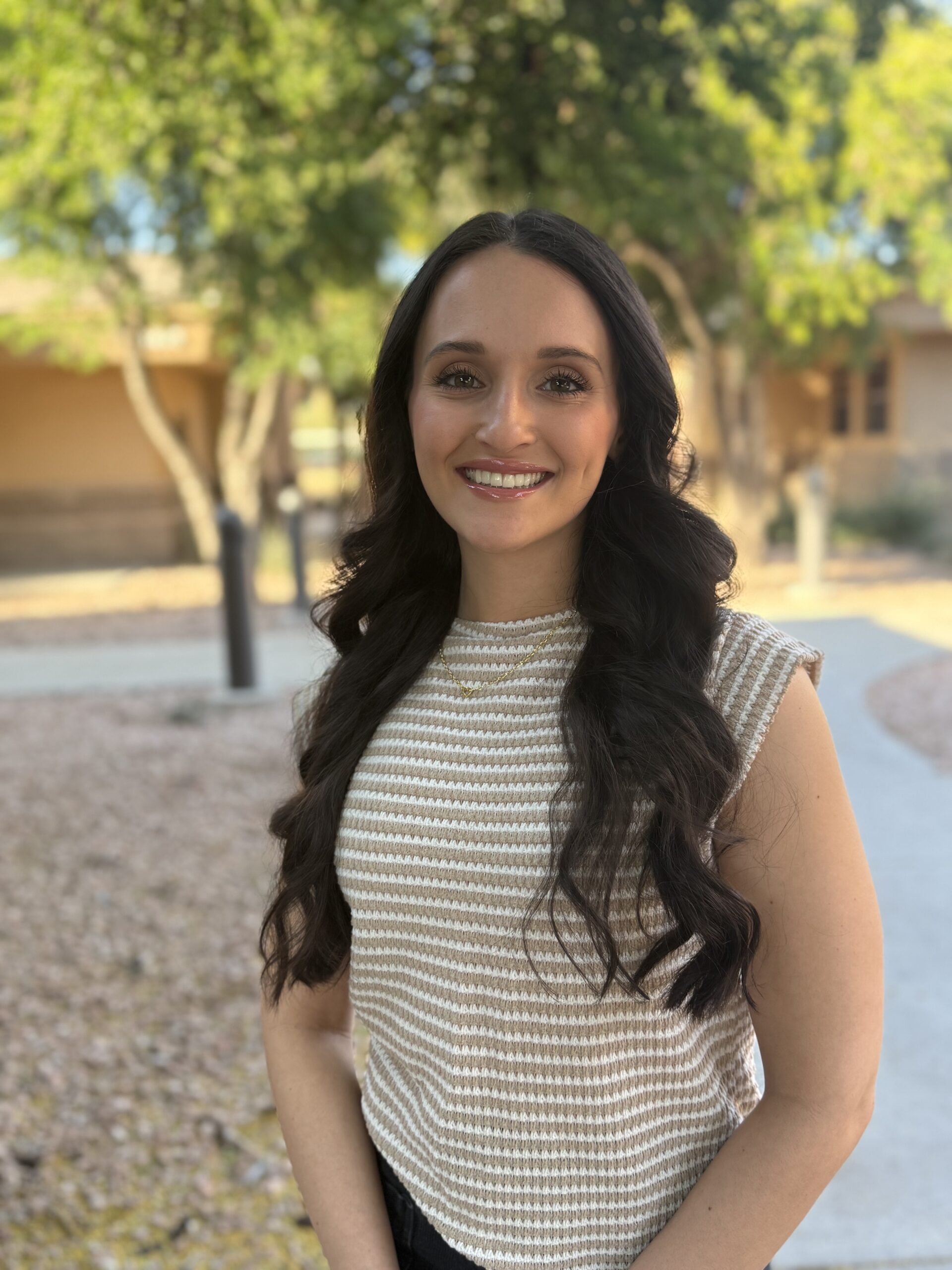
Meet Alyssa Dowdell: Licensed Associate Counselor
Read MoreAlyssa Dowdell, MS, LAC
Therapist

Meet Michele Rutti: Licensed Associate Counselor - children, teens, adults, couples, and families
Read MoreMichele Rutti, MS, LAC, NCC
Therapist

Meet Ali Kasulaitis, LAC — Child, Teen & Family Therapist
Read MoreAli Kasulaitis, MS, LAC
Therapist

Meet Chloe Cheek, MA, LPC - Trauma and Anxiety Therapist
Read MoreChloe Cheek, MA, LPC
Therapist

Haley Anderson, LCSW,
Read MoreHaley Anderson, LCSW
Therapist
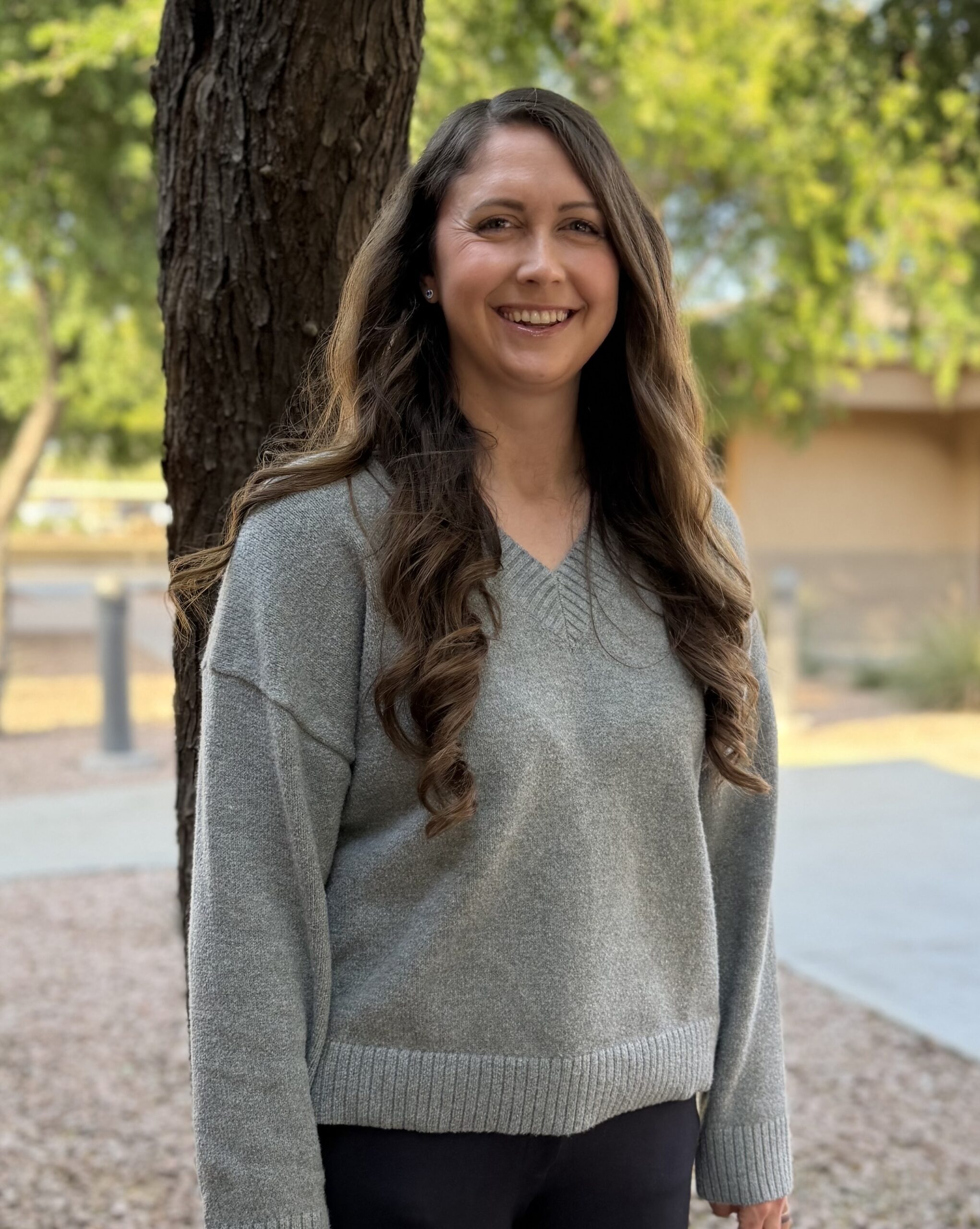
Meet Allison Zimmer, MS, LAC - Anxiety and Substance Therapist
Read MoreAllison Zimmer, MS, LAC
Therapist

Meet David Merrick, MS Ed. LPC-S - Teens and Adult Therapist
Read MoreDavid Merrick, MS Ed. LPC-S
Clinical Director

Meet Geanine Gafni, MA, LAC
Read MoreGeanine Gafni, MA, LAC
Therapist

Meet Sofia Softas-Nall therapist Scottsdale AZ - Trauma, LGBTQIA Therapist
Read MoreSofia Softas-Nall, MS, MA, LPC, NCC
Therapist

Meet Stephanie Levitt, MA, LPC, NCC - EMDR Therapist
Read MoreStephanie Levitt, MA, LPC, NCC
Therapist
Meet Stephanie Levitt, MA, LPC, NCC
Founder of Pathways Counseling Services
Stephanie Levitt, MA, LPC, NCC is a licensed professional counselor in Scottsdale, Arizona, and the founder of Pathways Counseling Services. With more than 20 years of clinical experience, Stephanie supports children, teens, adults, and families navigating trauma, anxiety, PTSD symptoms, emotional overwhelm, behavioral changes, and major life transitions.
On the Child Trauma Counseling page, Stephanie’s work reflects a trauma-informed and family-centered approach to helping children feel safe, understood, and supported. She understands that children may express trauma through behavior, play, sleep changes, fear, irritability, withdrawal, or difficulty trusting others.
Stephanie is trained in a range of evidence-based approaches, including EMDR, Cognitive Behavioral Therapy (CBT), exposure-based strategies when clinically appropriate, Solution-Focused Brief Therapy (SFBT), mindfulness-based techniques, and trauma-informed care.
Her work focuses on helping children build emotional regulation skills, reduce fear-based responses, strengthen coping tools, and rebuild a sense of safety. When appropriate, Stephanie also works with parents and caregivers to support communication, consistency, and healing at home.
Outside the therapy room, Stephanie has been featured on podcasts, radio shows, and panel discussions where she speaks about trauma recovery, child and family mental health, women’s mental health, and practical therapy strategies.
View Stephanie’s profile on Psychology Today →

Contact Pathways Counseling Services today to schedule a child trauma counseling consultation in Scottsdale, AZ.
Families seeking support for child trauma may also benefit from related services such as child therapy, play therapy, family therapy, EMDR therapy, trauma and PTSD therapy, parent guidance, and proactive parenting support. Parents may also find trusted child trauma resources helpful when learning how trauma can affect children and families.
Frequently Asked Questions About Child Trauma Counseling
What is child trauma counseling?
Child trauma counseling is therapy that helps children process frightening, painful, or overwhelming experiences in a safe and age-appropriate way. Therapy may use play, art, stories, CBT-informed tools, emotional regulation skills, parent support, and trauma-informed care.
What are signs my child may be affected by trauma?
Signs may include nightmares, sleep changes, clinginess, separation anxiety, irritability, anger, withdrawal, regression, school struggles, stomachaches, headaches, emotional outbursts, fearfulness, or avoiding reminders of what happened.
What types of experiences can be traumatic for a child?
Child trauma can come from abuse, neglect, loss, medical experiences, accidents, violence, divorce, family conflict, bullying, sudden changes, or witnessing something scary or overwhelming. What feels traumatic can vary from child to child.
How does therapy help children process trauma?
Therapy helps children feel safe, express emotions, understand body signals, build coping skills, and reduce fear-based reactions. A therapist may use play, drawing, stories, grounding tools, and gentle conversation to help the child process experiences in a developmentally appropriate way.
Is play therapy used for child trauma?
Yes. Play therapy can be helpful because children often express feelings through play before they can explain them with words. Play-based approaches can help children process emotions, build trust, and practice coping tools in a way that feels natural.
Will parents be involved in child trauma counseling?
Yes. Parent or caregiver involvement is often important. A therapist may help caregivers understand trauma responses, recognize triggers, support routines, respond to emotional outbursts, and create a stronger sense of safety at home.
What is trauma-informed care for children?
Trauma-informed care recognizes that difficult experiences can affect a child’s emotions, behavior, relationships, learning, and sense of safety. Therapy focuses on creating safety, trust, emotional support, choice, and empowerment while avoiding shame or pressure.
Will my child have to talk about everything that happened?
No. Children are not forced to talk about details before they are ready. Therapy moves at a pace that feels safe and may use play, art, stories, body-based calming tools, and parent support to help the child express themselves.
How long does child trauma counseling take?
The length of therapy depends on the child’s age, symptoms, history, support system, and treatment goals. Some children benefit from short-term support, while others need ongoing therapy as they continue building safety and coping skills.
Do you offer child trauma counseling in Scottsdale, AZ?
Yes. Pathways Counseling Services provides child trauma counseling in Scottsdale, AZ. Therapists support children and families with trauma-related symptoms, emotional regulation, fear, anxiety, behavioral changes, and family communication.
Can child trauma counseling be done through telehealth?
In some cases, yes. Telehealth may be appropriate for older children, teens, or parent-focused support. For younger children, in-person therapy may be more helpful, especially when play therapy or hands-on activities are part of treatment.
What if my child is in crisis or feels unsafe?
If your child is in immediate danger or may harm themselves or someone else, call 911 or go to the nearest emergency room. You can also call or text 988 for the Suicide & Crisis Lifeline. Therapy can provide ongoing support, but emergencies require immediate crisis care.
Do you accept insurance for child trauma counseling?
Pathways Counseling Services is a fee-for-service practice and does not bill insurance directly. If your insurance plan offers out-of-network mental health benefits, Pathways can provide a superbill that you may submit for possible reimbursement.
