EMDR Therapy in Scottsdale

When Talk Therapy just isn’t enough.
Stuck? Try EMDR therapy to get moving again.
At Pathways Counseling Services, we use EMDR therapy to treat anxiety, painful memories, trauma and other experiences that continue to weigh heavily on you. We have EMDR trained therapists available to help you gain a sense of control, calm and increased safety.
What Is EMDR Therapy?
Many individuals seek EMDR therapy in Scottsdale when they feel stuck in patterns of anxiety, emotional triggers, or distress connected to past experiences. Unlike traditional talk therapy, EMDR focuses on how memories are stored in the brain and helps reduce the emotional intensity connected to those experiences.
People Turn to EMDR therapy for one of two reasons.
- They have heard it works and they would like to start EMDR when they start therapy.
- They have been getting “stuck” in talk therapy and want to turn to EMDR to get them “unstuck”
What is EMDR Therapy?
EMDR stands for Eye Movement Desensitization and Reprocessing. It’s a holistic therapy -activating thoughts, emotions, and body sensations that are associated with a particular memory that has “stuck around” and continues to negatively impact your life.
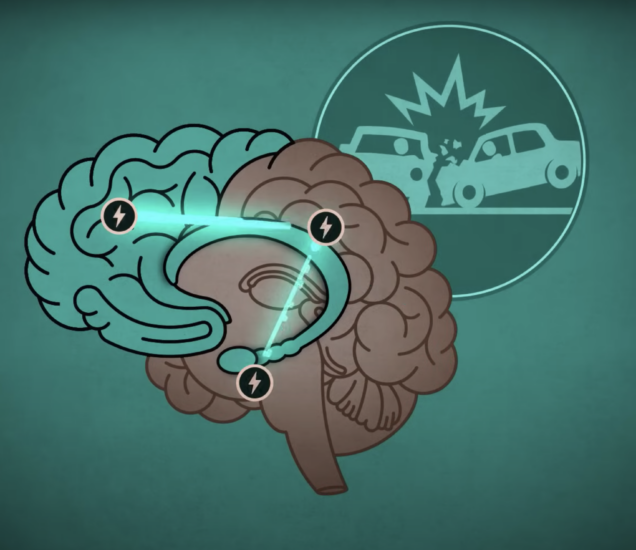
Sometimes when painful or traumatic events are occurring , the brain does not process the information in the same way it does during non-traumatic events.
The painful experiences and associated emotions, feeling, and body sensations can become “stuck.” Resulting in adverse emotions and symptoms.
The often happens because of the body’s flight fight or freeze response. Essentially , the brain goes into survival mode and becomes so overloaded that the event isn’t fully processed.
This results in lingering feeling of powerlessness, shame, fear, or other emotions that tend to weapon you.


What can I expect during EMDR Treatment?
Your therapist at Pathways Counseling Services will gather a basic history of your presenting concerns and what you would like to address in therapy. Your therapist will also engage you in resource development as part of the EMDR process.
“Resource development” involves tapping into your creativity to create a support system for yourself.
This may include imagining a safe place and identifying figures such as wisdom, nurturing, or protective figures to call upon, should you need them when processing the targeted memory.
The length of time for the intake, resource development, and memory re-processing will vary depending on your presenting concerns. You can talk to your therapist about what you might expect, given your unique situation.
Contact us for more information about EMDR

An Example of EMDR tool this is only an example tool.
Bilateral Stimulation Visual Tracker
Follow the ball with your eyes (try not to move your head). Stop if you feel dizzy or uncomfortable.
Meet an EMDR Therapist at Pathways Counseling Services
Meet Alyssa Dowdell: Licensed Associate Counselor
Read MoreAlyssa Dowdell, MS, LAC
Therapist
Meet Chloe Cheek, MA, LPC - Trauma and Anxiety Therapist
Read MoreChloe Cheek, MA, LPC
Therapist
Haley Anderson, LCSW,
Read MoreHaley Anderson, LCSW
Therapist
Meet David Merrick, MS Ed. LPC-S - Teens and Adult Therapist
Read MoreDavid Merrick, MS Ed. LPC-S
Clinical Director
Meet Stephanie Levitt, MA, LPC, NCC - EMDR Therapist
Read MoreStephanie Levitt, MA, LPC, NCC
Therapist
Meet Stephanie Levitt, MA, LPC, NCC - EMDR Therapist
Read MoreStephanie Levitt, MA, LPC, NCC – New
Therapist
Stephanie Levitt, MA, LPC, NCC
Founder of Pathways Counseling Services
Stephanie Levitt, MA, LPC, NCC is a licensed professional counselor in Scottsdale, Arizona, with more than 20 years of experience helping individuals heal from trauma, PTSD, anxiety, and fear‑based patterns. She is trained in multiple evidence‑based approaches, including EMDR (Eye Movement Desensitization and Reprocessing), and integrates trauma‑informed care to help clients feel safer, more grounded, and more in control.
Stephanie’s approach to EMDR is compassionate and structured—she walks beside you with empathy, clarity, and clinical skill while tailoring each step to your needs and pace. Her goal is to help you reduce distress, reprocess painful memories, and build the confidence to move forward with greater calm and resilience.
Outside the therapy room, Stephanie has been featured on podcasts, radio shows, and panel discussions where she speaks about trauma recovery, women’s mental health, and practical, evidence‑based tools that support lasting change.
View Stephanie’s profile on Psychology Today →

EMDR-Trained Therapists in Scottsdale
Frequently Asked Questions About EMDR Therapy
What is EMDR therapy and how does it work?
EMDR (Eye Movement Desensitization and Reprocessing) is an evidence-based therapy designed to help the brain process distressing memories and experiences. Instead of simply talking through events, EMDR helps reduce the emotional intensity connected to those memories so they feel less overwhelming over time.
What does EMDR therapy help with?
EMDR therapy can help with trauma, PTSD symptoms, anxiety, panic, emotional triggers, distressing memories, negative beliefs, grief, and feeling stuck after difficult life experiences.
Is EMDR therapy safe?
Yes. EMDR therapy is safe when provided by a trained therapist. Sessions are structured and paced carefully, with a focus on building emotional safety, stability, and coping skills before processing difficult memories.
Will I have to talk about every detail of my experience?
No. Many people choose EMDR because it does not require sharing every detail out loud. Your therapist will guide the process in a way that feels manageable while helping you stay grounded and supported.
What happens during an EMDR session?
During EMDR therapy, your therapist may help you focus on a specific memory, belief, or trigger while using bilateral stimulation such as guided eye movements, tapping, or sounds. This process helps your brain reprocess the experience in a healthier way.
How long does EMDR therapy take?
The number of sessions varies based on your goals, history, and symptoms. Some people notice changes within a few sessions, while others benefit from longer-term support depending on the complexity of what they are working through.
Can EMDR help with anxiety?
Yes. EMDR therapy can be very effective for anxiety, especially when anxiety is connected to past experiences, emotional triggers, or negative beliefs. Your therapist can help determine if EMDR is the right approach for your needs.
Can EMDR therapy be done through telehealth?
In some cases, yes. EMDR therapy can be adapted for secure telehealth sessions when clinically appropriate. Your therapist will help determine whether in-person or virtual sessions are the best fit.
Do you offer EMDR therapy in Scottsdale, AZ?
Yes. Pathways Counseling Services provides EMDR therapy in Scottsdale, AZ. Our therapists help clients process trauma, reduce emotional distress, and move forward with greater stability and confidence.
Do you accept insurance for EMDR therapy?
Pathways Counseling Services is a fee-for-service practice and does not bill insurance directly. If your insurance plan offers out-of-network mental health benefits, we can provide a superbill that you may submit for possible reimbursement.