

Pathways Counseling Services DBT sessions for Scottsdale, AZ

Schedule Your Free 15-Minute EMDR Therapy Consultation

Pathways Counseling Services

EMDR Treatment

EMDR Therapy in Scottsdale, AZ

If you’re looking for EMDR therapy in Scottsdale, AZ, this approach can be highly effective for processing trauma, reducing emotional distress, and helping you move forward. EMDR (Eye Movement Desensitization and Reprocessing) is an evidence-based therapy designed to help the brain reprocess difficult experiences so they feel less overwhelming over time.

Understanding EMDR Therapy

Many individuals seek EMDR therapy in Scottsdale when they feel stuck in patterns of anxiety, emotional triggers, or distress connected to past experiences. Unlike traditional talk therapy, EMDR focuses on how memories are stored in the brain and helps reduce the emotional intensity connected to those experiences.

At Pathways Counseling Services, our EMDR therapy in Scottsdale is structured and paced carefully to ensure you feel supported throughout the process. Sessions may include recalling specific memories while engaging in bilateral stimulation such as guided eye movements or tapping, helping your brain process experiences in a healthier way.

EMDR therapy is commonly used to help with trauma, PTSD symptoms, anxiety, and emotional overwhelm. Many clients find that over time they feel less triggered, more grounded, and better able to respond to life’s challenges.

With the guidance of a trained therapist, EMDR can be a powerful tool for healing, helping you move forward with greater clarity, confidence, and emotional stability.

EMDR therapy session in Scottsdale AZ with client processing trauma and emotions
marriage counselor in Scottsdale AZ working with couple struggling with communication at Pathways Counseling Services

Finding an EMDR Therapist in Scottsdale

When searching for an EMDR therapist in Scottsdale, it’s essential to consider several factors to ensure you find the right fit for your needs. Firstly, look for licensed professionals who have received specific training in EMDR techniques. Additionally, reading reviews and testimonials from previous clients can provide insight into the therapist’s effectiveness and approach.

Furthermore, many therapists offer initial consultations that allow you to gauge their compatibility with your therapeutic goals. Consequently, take advantage of these opportunities to ask questions about their experience and methodology. Moreover, consider whether you prefer in-person sessions or if teletherapy options are available.

As mental health services evolve, many therapists now offer flexible formats to accommodate various preferences. Ultimately, finding a qualified EMDR therapist can significantly enhance your healing journey.

EMDR Therapy: A Supportive Approach for Trauma, Anxiety, and Emotional Healing

EMDR therapy, or Eye Movement Desensitization and Reprocessing, is an evidence-based approach designed to help people process distressing memories, trauma, and emotional experiences that may still feel overwhelming. Rather than simply talking through what happened, EMDR helps the brain reprocess difficult experiences so they feel less intense and disruptive over time.

During EMDR therapy, your therapist guides you through a structured process that may include recalling specific memories, noticing thoughts and body sensations, and using bilateral stimulation such as eye movements, tapping, or sounds. The goal is not to erase memories, but to reduce the emotional charge connected to them.

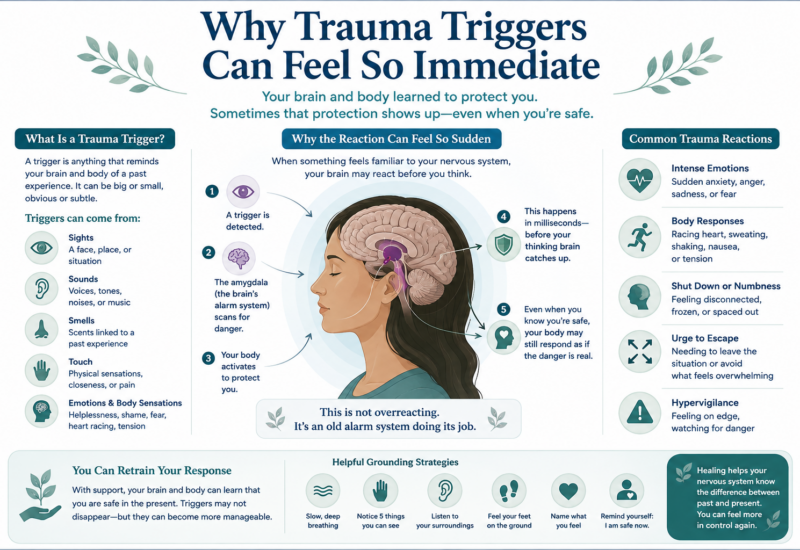
EMDR can be especially helpful for people who feel stuck in patterns of fear, anxiety, shame, hypervigilance, or emotional reactivity after difficult experiences. With support from a trained therapist, clients can begin to feel more grounded, less triggered, and more in control of their emotional responses.

EMDR Therapy Can Help With:

  • Trauma and post-traumatic stress symptoms
  • Anxiety connected to past experiences
  • Panic, fear, or emotional triggers
  • Distressing memories or intrusive thoughts
  • Negative beliefs about yourself or your safety
  • Grief, loss, or difficult life experiences
  • Emotional overwhelm and nervous system activation
  • Feeling stuck after painful or stressful events
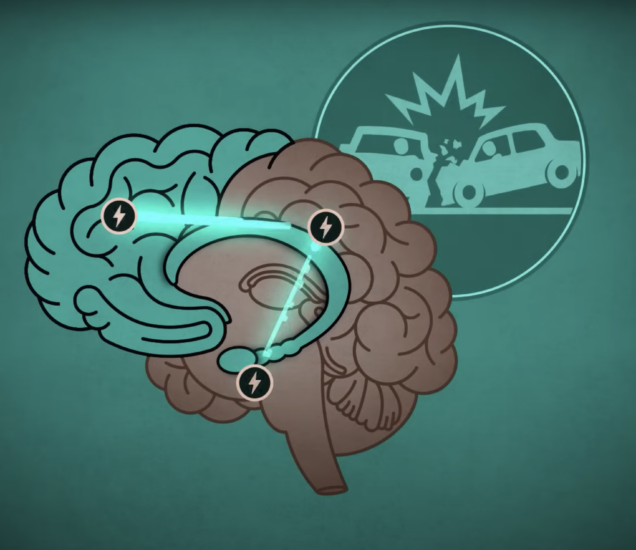
Illustration showing how EMDR therapy helps process trauma in the brain in Scottsdale AZ
EMDR therapy in Scottsdale helping the brain process traumatic memories and reduce emotional distress.

Find Balance. Reconnect with Yourself.

Start your journey toward emotional clarity, healing, and a greater sense of calm.

Whether you are struggling with trauma, anxiety, overwhelming thoughts, painful memories, or emotional triggers, EMDR therapy can help you process difficult experiences in a more supported and manageable way.

EMDR, or Eye Movement Desensitization and Reprocessing, is an evidence-based therapy designed to help the brain reprocess distressing memories so they feel less intense over time. Instead of staying stuck in fear, shame, anxiety, or emotional overwhelm, EMDR can help you begin to feel more grounded, stable, and in control.

At Pathways Counseling Services in Scottsdale, Arizona, our licensed therapists provide a supportive and structured approach to EMDR therapy. We meet you where you are, move at a pace that feels safe, and help you work toward long-term healing with compassion and clinical care.

Take the First Step Today

  • In-person EMDR therapy in Scottsdale
  • Telehealth sessions available across Arizona when clinically appropriate
  • Support for trauma, PTSD, anxiety, emotional triggers, and distressing memories
  • Flexible scheduling for busy lives

Call 480-639-5559 or schedule a consultation online.

You don’t have to process painful experiences alone. EMDR therapy can help you feel more grounded, more resilient, and more connected to yourself again.

    Is EMDR Therapy Right for You? (Self‑Check Quiz)

    Answer these 12 questions based on the past 1–3 months. This self‑check is informational only and is not a diagnosis. Your answers are not stored or submitted anywhere.

    If any question feels activating, it’s okay to pause and come back later. If you’re in immediate danger, call 911. In the U.S., you can call or text 988, or use chat at 988lifeline.org.

    Question 1 of 12

    1) Do distressing memories from the past still affect how you feel today?

    2) Do certain situations trigger strong emotional reactions?

    3) Do you experience intrusive thoughts or memories you wish you could forget?

    4) Do you avoid places, people, or conversations because they remind you of something painful?

    5) Do you feel emotionally “stuck,” even though you want to move forward?

    6) Do certain memories cause physical reactions like tension, anxiety, or panic?

    7) Do negative beliefs about yourself come up when you think about past events?

    8) Do you feel like your brain keeps replaying certain memories?

    9) Have you tried other therapies but still feel unresolved emotional pain?

    10) Do past experiences affect your relationships today?

    11) Do you feel emotionally overwhelmed without knowing why?

    12) Would you like a therapy approach that helps your brain process memories differently?

    How to interpret this quiz

    EMDR is often explored when distressing memories, triggers, body reactions, or negative self-beliefs feel “stuck.” EMDR is structured and typically includes preparation and grounding skills before deeper processing.

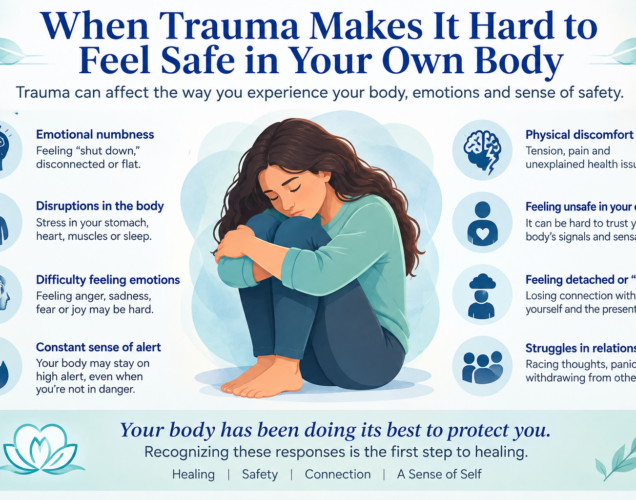
    Therapist guiding client through EMDR therapy session for trauma and PTSD in Scottsdale AZ
    EMDR therapy in Scottsdale helping clients process trauma, reduce emotional distress, and feel more grounded.

    Below Is an EMDR Bilateral Stimulation Demo (BLS Visual + Optional Audio)

    Welcome to the Pathways Counseling Services EMDR Bilateral Stimulation Demo Tool. This interactive example is designed to help you understand what bilateral stimulation (BLS) can feel like during an EMDR session. It uses a smooth left‑to‑right visual tracker (a moving ball) with the option to add a gentle left‑ear / right‑ear audio tick when using headphones.

    This tool is for educational and demonstration purposes. It is not a substitute for therapy or a full EMDR protocol.


    EMDR / BLS DEMO

    Bilateral Stimulation Visual Tracker

    Follow the ball with your eyes (try not to move your head). Stop if you feel dizzy or uncomfortable.

    Safety note: If you have a history of seizures, migraines triggered by motion/light, or feel unwell, stop and consult a clinician.
    Speed
    2.5 p/s
    “passes/sec” = how many full left↔right passes per second.
    Ball Size
    28 px
    Adjust for comfort and screen distance.
    Audio
    Audio requires a click/tap on the device first. Use Test Audio.
    Timer
    Time 00:00
    0 = no auto-stop

    Our Therapists

    Meet Alyssa Dowdell: Licensed Associate Counselor

    Read More

    Meet Ali Kasulaitis, LAC — Child, Teen & Family Therapist

    Read More

    Meet Chloe Cheek, MA, LAC - Trauma and Anxiety Therapist

    Read More

    Meet Haley Anderson, MSW, LMSW - Child and Teen Therapist

    Read More

    Meet Allison Zimmer, MS, LAC - Anxiety and Substance Therapist

    Read More

    Meet David Merrick, MS Ed. LPC-S - Teens and Adult Therapist

    Read More

    Meet Geanine Gafni, MA, LAC - Teens and Family Therapist

    Read More

    Meet Sofia Softas-Nall therapist Scottsdale AZ - Trauma, LGBTQIA Therapist

    Read More

    Meet Stephanie Levitt, MA, LPC, NCC - EMDR Therapist

    Read More

    Meet Stephanie Levitt, MA, LPC, NCC
    Founder of Pathways Counseling Services

    Stephanie Levitt, MA, LPC, NCC is a licensed professional counselor in Scottsdale, Arizona, with more than 20 years of experience helping individuals heal from trauma, PTSD, anxiety, and fear‑based patterns. She is trained in multiple evidence‑based approaches, including EMDR (Eye Movement Desensitization and Reprocessing), and integrates trauma‑informed care to help clients feel safer, more grounded, and more in control.

    Stephanie’s approach to EMDR is compassionate and structured—she walks beside you with empathy, clarity, and clinical skill while tailoring each step to your needs and pace. Her goal is to help you reduce distress, reprocess painful memories, and build the confidence to move forward with greater calm and resilience.

    Outside the therapy room, Stephanie has been featured on podcasts, radio shows, and panel discussions where she speaks about trauma recovery, women’s mental health, and practical, evidence‑based tools that support lasting change.

    View Stephanie’s profile on Psychology Today →

    Pathways Counseling Services Stephanie Levitt Scottsdale AZ

    Contact Pathways Counseling Services today to schedule an EMDR therapy session in Scottsdale, AZ.

      Frequently Asked Questions About EMDR Therapy

      What is EMDR therapy and how does it work?

      EMDR (Eye Movement Desensitization and Reprocessing) is an evidence-based therapy designed to help the brain process distressing memories and experiences. Instead of simply talking through events, EMDR helps reduce the emotional intensity connected to those memories so they feel less overwhelming over time.


      What does EMDR therapy help with?

      EMDR therapy can help with trauma, PTSD symptoms, anxiety, panic, emotional triggers, distressing memories, negative beliefs, grief, and feeling stuck after difficult life experiences.


      Is EMDR therapy safe?

      Yes. EMDR therapy is safe when provided by a trained therapist. Sessions are structured and paced carefully, with a focus on building emotional safety, stability, and coping skills before processing difficult memories.


      Will I have to talk about every detail of my experience?

      No. Many people choose EMDR because it does not require sharing every detail out loud. Your therapist will guide the process in a way that feels manageable while helping you stay grounded and supported.


      What happens during an EMDR session?

      During EMDR therapy, your therapist may help you focus on a specific memory, belief, or trigger while using bilateral stimulation such as guided eye movements, tapping, or sounds. This process helps your brain reprocess the experience in a healthier way.


      How long does EMDR therapy take?

      The number of sessions varies based on your goals, history, and symptoms. Some people notice changes within a few sessions, while others benefit from longer-term support depending on the complexity of what they are working through.


      Can EMDR help with anxiety?

      Yes. EMDR therapy can be very effective for anxiety, especially when anxiety is connected to past experiences, emotional triggers, or negative beliefs. Your therapist can help determine if EMDR is the right approach for your needs.


      Can EMDR therapy be done through telehealth?

      In some cases, yes. EMDR therapy can be adapted for secure telehealth sessions when clinically appropriate. Your therapist will help determine whether in-person or virtual sessions are the best fit.


      Do you offer EMDR therapy in Scottsdale, AZ?

      Yes. Pathways Counseling Services provides EMDR therapy in Scottsdale, AZ. Our therapists help clients process trauma, reduce emotional distress, and move forward with greater stability and confidence.

      Do you accept insurance for EMDR therapy?

      Pathways Counseling Services is a fee-for-service practice and does not bill insurance directly. If your insurance plan offers out-of-network mental health benefits, we can provide a superbill that you may submit for possible reimbursement.

      Your Path to Mental Wellness Begins Here

      Your Path to Healing Can Begin with EMDR Therapy EMDR therapy can help people process distressing memories, trauma, PTSD symptoms, anxiety, emotional triggers, and negative beliefs that may still feel overwhelming in daily life. At Pathways Counseling Services in Scottsdale, AZ, EMDR therapy is provided in a structured, supportive, and trauma-informed way. Your therapist will help you build safety and grounding skills before moving into deeper memory processing, so the work can happen at a pace that feels manageable. EMDR does not erase the past. Instead, it can help reduce the emotional intensity connected to painful experiences so you can feel more grounded, more resilient, and more able to move forward. Contact Pathways Counseling Services today to schedule an EMDR therapy consultation in Scottsdale, AZ.

      EMDR Therapy

      Contact us today!

        Have a question?

          Pathways Counseling Services: Home » EMDR Therapy in Scottsdale, AZ
          Call us Text us Text us Call us Free 15-minute consult