



Pathways Counseling Services
Child Therapy in Scottsdale, AZ
Understanding what child therapy can offer
Child therapy in Scottsdale, AZ, and how it can support your child’s emotional and behavioral development at Pathways Counseling Services. Child therapy provides a safe, supportive space where children can express their thoughts and feelings in ways that feel natural to them.
Children often experience challenges such as anxiety, emotional outbursts, school stress, social difficulties, or changes at home. Through child counseling in Scottsdale, therapists help children build emotional awareness, improve communication, and develop healthy coping skills.
At Pathways Counseling Services, our child therapy in Scottsdale uses age-appropriate approaches such as play therapy, art-based techniques, and guided conversation. These methods allow children to express emotions through play and creativity when they may not yet have the words to explain how they feel.
Parents are also supported throughout the process, with guidance on how to respond to behaviors, strengthen communication, and create a more stable and supportive home environment. Early support can make a meaningful difference in a child’s confidence, behavior, and overall well-being.

Benefits of Child Therapy
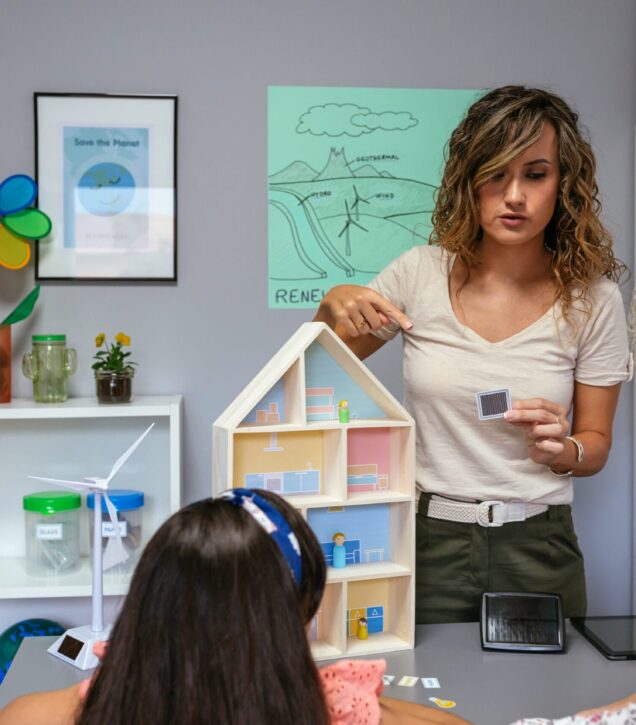
Child therapy can help children better understand their emotions, express what they are feeling, and build healthier coping skills. Many children show stress through behavior before they can clearly explain what is wrong, so therapy gives them a safe space to communicate in ways that fit their age and development.
Therapy can support children struggling with anxiety, anger, sadness, grief, trauma, school stress, social difficulties, low confidence, or major changes at home. Sessions may include play therapy, creative expression, CBT-informed tools, emotional regulation skills, and parent support.
With the right support, children can learn how to name feelings, calm their bodies, communicate needs, solve problems, and respond to challenges in healthier ways. Parents may also receive practical guidance to support progress at home.
Finding the Right Child Therapist in Scottsdale
Finding the right therapist for your child is an important part of the therapy process. Children need a therapist who can build trust, communicate in age-appropriate ways, and understand how emotional stress may show up through behavior, play, sleep, school challenges, or family patterns.
When choosing a child therapist, it can help to consider the therapist’s experience with children, training in play therapy or child-focused approaches, ability to work with parents, and comfort supporting concerns such as anxiety, anger, trauma, grief, depression, school stress, or emotional regulation.
At Pathways Counseling Services in Scottsdale, AZ, our therapists work with children and families in a supportive, collaborative way. We can help you choose a therapist based on your child’s age, concerns, personality, and goals.

Therapy Approaches Used in Child Counseling
Child therapy is tailored to the child’s age, developmental stage, personality, and needs. Some children communicate best through play, drawing, stories, or movement, while others may be ready for more direct conversation and skill-building.
Therapists may use play therapy, CBT-informed strategies, mindfulness tools, emotional regulation skills, creative expression, family support, and parent guidance. These approaches help children express feelings, understand behavior patterns, build coping tools, and practice healthier responses to stress.
Parent involvement is often part of the process. A therapist may help caregivers understand what may be underneath a child’s behavior, respond with more consistency, and support emotional growth at home.
Child Therapy Check‑In (Parent Quiz)
Answer these 10 questions based on the past 2–4 weeks. Choose the option that best matches your child most days. This is not a diagnosis—it’s a quick reflection tool to help you notice patterns and decide next steps. Your answers are not stored or submitted anywhere.
Safety note: If you believe your child is in immediate danger, call 911. In the U.S., you can call or text 988 for immediate support, or chat at 988lifeline.org.
Question 1 of 10
Your results
Reminder: This quiz is informational and not a diagnosis. If patterns are persistent, intense, or impacting home or school life, child therapy can help.
Why these questions?
Kids often show stress through behavior—meltdowns, worry, sleep changes, school struggles, or withdrawal. A check‑in helps you name what’s happening so you can choose supportive next steps.
Our Therapists

Meet Alyssa Dowdell: Licensed Associate Counselor
Read MoreAlyssa Dowdell, MS, LAC
Therapist

Meet Michele Rutti: Licensed Associate Counselor - children, teens, adults, couples, and families
Read MoreMichele Rutti, MS, LAC, NCC
Therapist

Meet Ali Kasulaitis, LAC — Child, Teen & Family Therapist
Read MoreAli Kasulaitis, MS, LAC
Therapist

Meet Chloe Cheek, MA, LPC - Trauma and Anxiety Therapist
Read MoreChloe Cheek, MA, LPC
Therapist

Haley Anderson, LCSW,
Read MoreHaley Anderson, LCSW
Therapist
Meet Allison Zimmer, MS, LAC - Anxiety and Substance Therapist
Read MoreAllison Zimmer, MS, LAC
Therapist

Meet David Merrick, MS Ed. LPC-S - Teens and Adult Therapist
Read MoreDavid Merrick, MS Ed. LPC-S
Clinical Director

Meet Geanine Gafni, MA, LAC
Read MoreGeanine Gafni, MA, LAC
Therapist

Meet Sofia Softas-Nall therapist Scottsdale AZ - Trauma, LGBTQIA Therapist
Read MoreSofia Softas-Nall, MS, MA, LPC, NCC
Therapist

Meet Stephanie Levitt, MA, LPC, NCC - EMDR Therapist
Read MoreStephanie Levitt, MA, LPC, NCC
Therapist
Meet Stephanie Levitt, MA, LPC, NCC
Founder of Pathways Counseling Services
Stephanie Levitt, MA, LPC, NCC is a licensed professional counselor in Scottsdale, Arizona, with over 20 years of experience supporting children and families through anxiety, trauma, PTSD symptoms, and behavioral or emotional challenges. She provides a warm, structured, and developmentally appropriate approach that helps children feel safe, understood, and supported—while also giving parents practical tools to use at home.
Stephanie is trained in evidence-based approaches including child therapy, Cognitive Behavioral Therapy (CBT), and EMDR. When appropriate, she uses trauma-informed and skills-based strategies to help children build emotional regulation, reduce fears, improve coping skills, and strengthen confidence. Parent involvement is often an important part of the process, and Stephanie works collaboratively with caregivers to support lasting progress.
Stephanie believes in walking alongside each child (and their caregivers) with empathy, clarity, and clinical expertise—offering a personalized plan for every child’s needs and temperament. Her goal is to help children feel more secure, calm, and resilient, and to help families reconnect with stronger communication and stability.
Outside the therapy room, Stephanie has been featured on podcasts, radio shows, and panel discussions where she speaks about childhood trauma recovery, women’s mental health, and practical therapy tools that support both individual and family growth.
View Stephanie’s profile on Psychology Today →

Frequently Asked Questions About Child Therapy
What is child therapy and how does it work?
Child therapy helps children understand their emotions, build coping skills, improve communication, and work through behavioral or emotional challenges. Depending on the child’s age and needs, therapists may use play therapy, talk therapy, Cognitive Behavioral Therapy (CBT), family support, and other age-appropriate approaches.
How do I know if my child needs therapy?
Your child may benefit from therapy if they are struggling with frequent emotional outbursts, anxiety, sadness, anger, school stress, behavioral changes, sleep issues, social challenges, or difficulty adjusting to life changes. Therapy can also be helpful when parents feel unsure how to best support their child.
What issues can child therapy help with?
Child therapy can help with anxiety, depression, anger, grief, trauma, behavioral challenges, family changes, school stress, social difficulties, emotional regulation, and low self-esteem. Therapy gives children a safe space to express themselves and develop healthier ways to cope.
What is play therapy?
Play therapy is a child-centered approach that uses play, creativity, and age-appropriate activities to help children express feelings, process experiences, and build emotional skills. Because children often communicate through play, this approach can help them work through things they may not yet have the words to explain.
Will parents be involved in child therapy?
Yes. Parent involvement is often an important part of child therapy. Your child’s therapist may provide guidance, feedback, and practical tools you can use at home to support your child’s progress while also respecting your child’s need for trust and privacy in therapy.
Will my child be forced to talk about difficult feelings?
No. Child therapy moves at a pace that feels safe and appropriate for your child. Therapists work to build trust first, using gentle, supportive methods to help children express themselves in ways that feel comfortable.
How long does child therapy usually take?
Every child is different. Some children begin to show improvement within a few sessions, while others benefit from ongoing support. The length of therapy depends on your child’s needs, goals, age, and the concerns being addressed.
Do you offer child therapy in Scottsdale, AZ?
Yes. Pathways Counseling Services provides child therapy in Scottsdale, AZ. Our therapists support children with emotional, behavioral, and developmental challenges in a calm, supportive environment.
Can child therapy be done through telehealth?
In some cases, yes. Telehealth may be appropriate for older children or certain types of support. For younger children, in-person therapy may be more effective, especially when play therapy or interactive activities are part of treatment.
Do you accept insurance for child therapy?
Pathways Counseling Services is a fee-for-service practice and does not bill insurance directly. If your insurance plan offers out-of-network mental health benefits, we can provide a superbill that you may submit to your insurance company for possible reimbursement.
