



Depression Counseling in Scottsdale AZ
Depression and Its Impact
If you’re looking for depression therapy in Scottsdale, AZ, you’re not alone. Depression can affect how you feel, think, and function in daily life, often showing up as persistent sadness, low motivation, or a loss of interest in activities you once enjoyed.
Many individuals seek depression counseling in Scottsdale when symptoms begin to impact work, relationships, sleep, or overall well-being. Depression can also include changes in appetite, fatigue, difficulty concentrating, or feelings of hopelessness and self-doubt.
At Pathways Counseling Services, our depression therapy in Scottsdale focuses on helping you understand what you’re experiencing and develop practical strategies to improve your mood and emotional balance. We use evidence-based approaches such as Cognitive Behavioral Therapy (CBT), EMDR, and mindfulness techniques to support long-term change.
Depression is treatable, and you don’t have to manage it on your own. With the right support, many people begin to feel more hopeful, more motivated, and better able to move forward in their lives.


Pathways Counseling Services: Support for Depression Recovery
Depression can affect motivation, energy, sleep, appetite, relationships, work, and the ability to feel connected to daily life. Therapy can help you better understand what you are experiencing and begin building practical tools for emotional wellness.
At Pathways Counseling Services in Scottsdale, AZ, our therapists provide compassionate, evidence-based depression counseling for adults, teens, and families. Sessions are tailored to your needs, goals, and pace so therapy feels supportive, realistic, and focused on meaningful progress.
Treatment may include Cognitive Behavioral Therapy (CBT), EMDR, mindfulness-based strategies, coping skills, emotional regulation tools, and support for life stressors or trauma-related concerns when appropriate.
Whether depression feels recent or long-standing, therapy can help you identify patterns, challenge negative thoughts, strengthen coping skills, and take manageable steps toward feeling more hopeful and more connected.
What to Expect in Depression Counseling
Beginning depression counseling starts with understanding your story, current symptoms, stressors, strengths, and goals. Your therapist will take time to learn how depression is affecting your daily life and what kind of support would feel most helpful.
Together, you and your therapist may explore thought patterns, emotional triggers, relationship stress, grief, trauma, avoidance, low motivation, or habits that may be keeping you stuck. Sessions are collaborative and focused on helping you build practical tools you can use outside the therapy room.
Depending on your needs, therapy may focus on improving mood, rebuilding routines, strengthening self-compassion, increasing motivation, improving communication, and developing coping strategies for difficult days.
The goal is not to force quick change. The goal is to help you move forward at a pace that feels safe, manageable, and meaningful.

Clients seeking support for depression may also benefit from related services such as individual therapy, CBT, EMDR, mindfulness-based therapy, group therapy, or teen therapy when appropriate. For general education about depression symptoms and treatment options, the National Institute of Mental Health also provides helpful depression resources.

Could Therapy Help With Depression?
This quick self-check can help you understand whether therapy may be helpful for managing low mood, lack of motivation, or emotional overwhelm. This is not a diagnosis.
Our Therapists
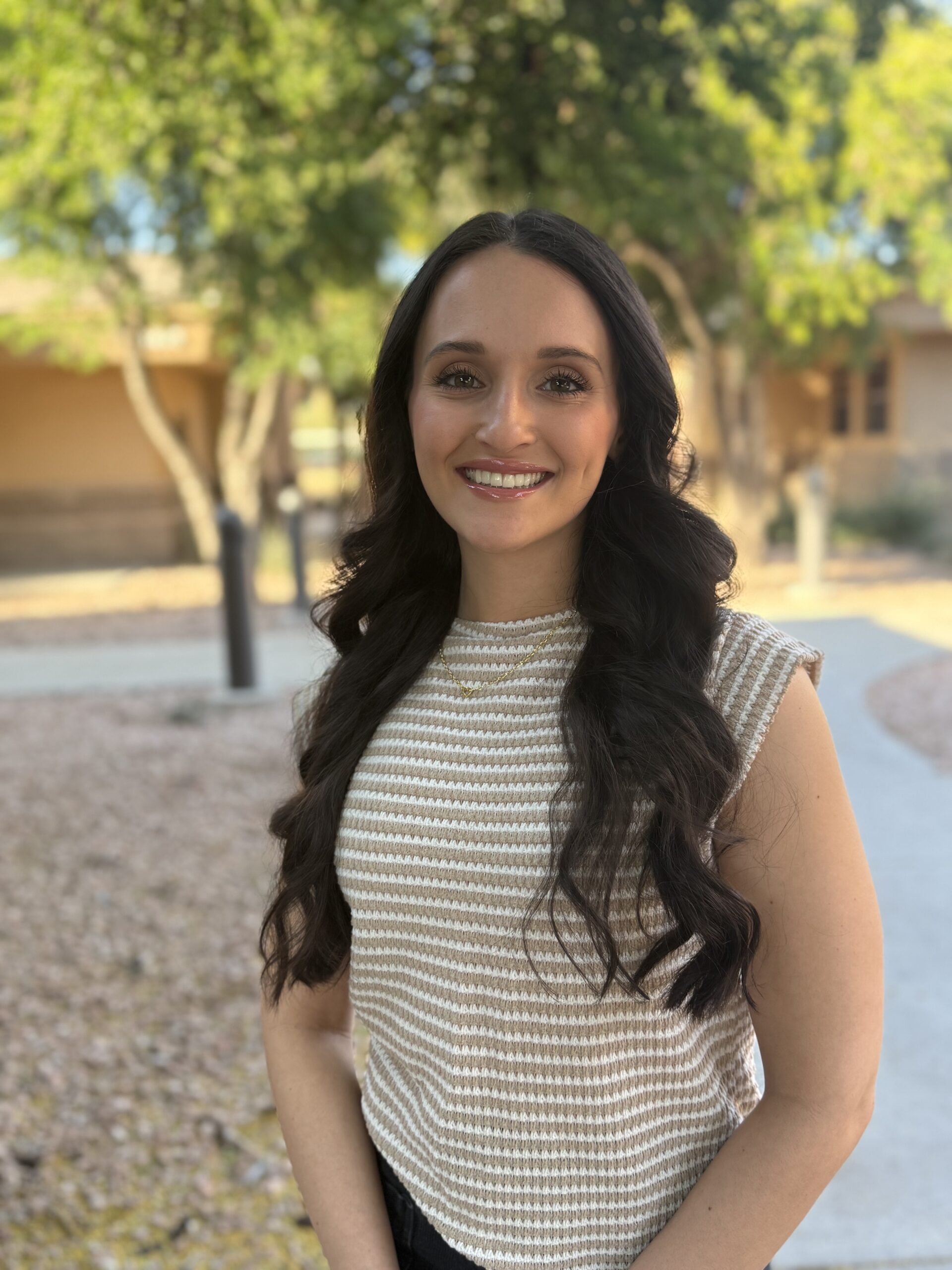
Meet Alyssa Dowdell: Licensed Associate Counselor
Read MoreAlyssa Dowdell, MS, LAC
Therapist

Meet Michele Rutti: Licensed Associate Counselor - children, teens, adults, couples, and families
Read MoreMichele Rutti, MS, LAC, NCC
Therapist

Meet Ali Kasulaitis, LAC — Child, Teen & Family Therapist
Read MoreAli Kasulaitis, MS, LAC
Therapist

Meet Chloe Cheek, MA, LPC - Trauma and Anxiety Therapist
Read MoreChloe Cheek, MA, LPC
Therapist

Haley Anderson, LCSW,
Read MoreHaley Anderson, LCSW
Therapist
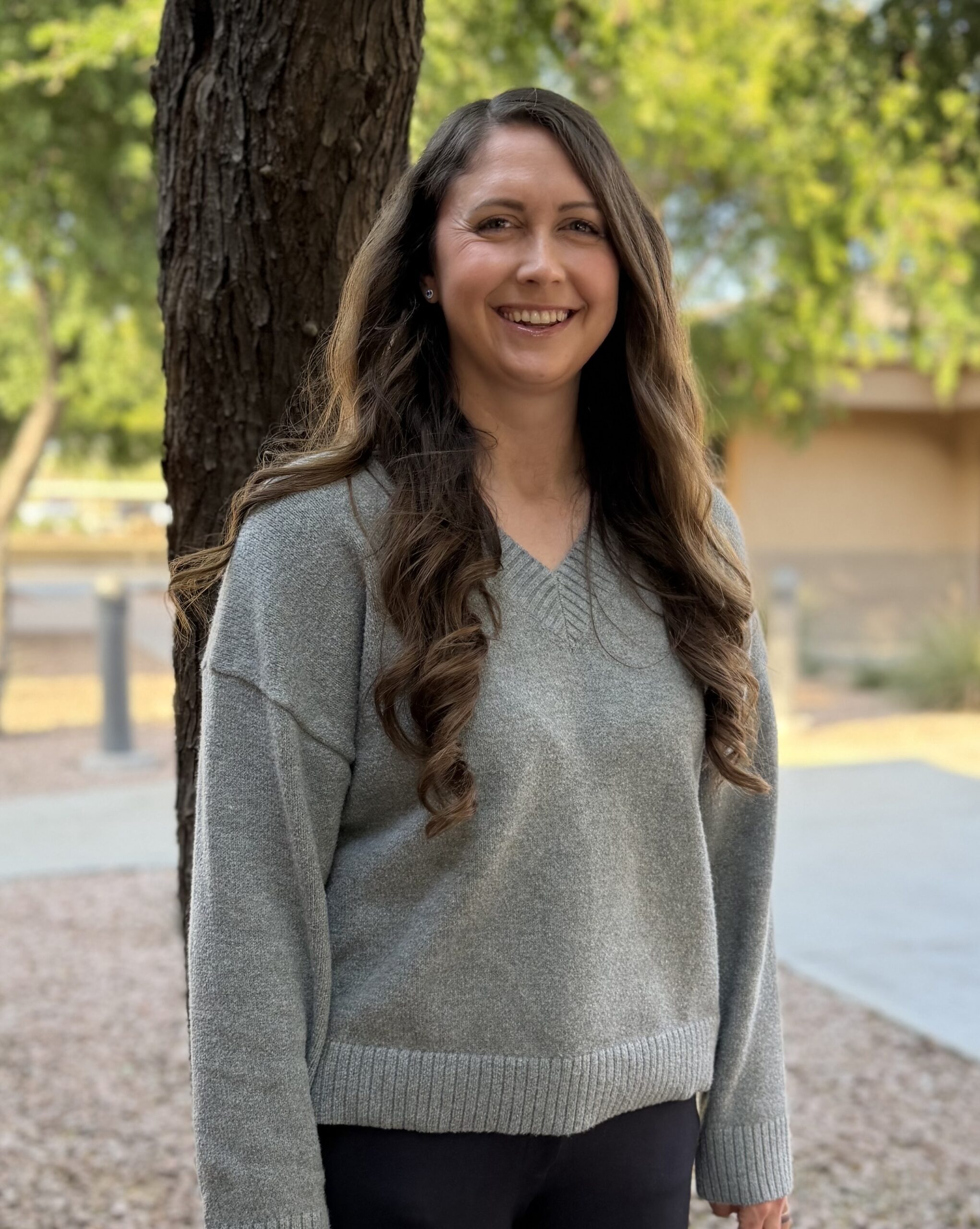
Meet Allison Zimmer, MS, LAC - Anxiety and Substance Therapist
Read MoreAllison Zimmer, MS, LAC
Therapist

Meet David Merrick, MS Ed. LPC-S - Teens and Adult Therapist
Read MoreDavid Merrick, MS Ed. LPC-S
Clinical Director

Meet Geanine Gafni, MA, LAC
Read MoreGeanine Gafni, MA, LAC
Therapist

Meet Sofia Softas-Nall therapist Scottsdale AZ - Trauma, LGBTQIA Therapist
Read MoreSofia Softas-Nall, MS, MA, LPC, NCC
Therapist

Meet Stephanie Levitt, MA, LPC, NCC - EMDR Therapist
Read MoreStephanie Levitt, MA, LPC, NCC
Therapist
Meet Stephanie Levitt, MA, LPC, NCC - EMDR Therapist
Read MoreStephanie Levitt, MA, LPC, NCC – New
Therapist
Meet Stephanie Levitt, MA, LPC, NCC,
Founder of Pathways Counseling Services
Stephanie Levitt, MA, LPC, NCC, is a licensed professional counselor in Scottsdale, Arizona, and the founder of Pathways Counseling Services. With more than 20 years of clinical experience, Stephanie supports adults, teens, and families navigating depression, anxiety, trauma, emotional overwhelm, low motivation, and major life transitions.
On the depression counseling page, Stephanie’s work reflects a compassionate and practical approach to helping clients better understand emotional patterns, reduce negative self-talk, and rebuild coping skills for daily life.
Stephanie is trained in a range of evidence-based approaches, including Cognitive Behavioral Therapy (CBT), EMDR, Solution-Focused Brief Therapy (SFBT), mindfulness-based techniques, and trauma-informed care. Her work focuses on helping clients strengthen emotional awareness, develop realistic coping tools, and reconnect with a greater sense of hope and stability.
Stephanie believes in walking alongside clients with empathy, clarity, and clinical skill. Her approach is personalized to each individual’s needs, goals, and pace, with the goal of helping clients feel more supported, more motivated, and more connected to themselves and their lives.
Outside the therapy room, Stephanie has been featured on podcasts, radio shows, and panel discussions, where she speaks about depression, trauma recovery, women’s mental health, and practical therapy strategies.
View Stephanie’s profile on Psychology Today →

Contact us today for your Depression Counseling session.
Frequently Asked Questions About Depression Therapy
What is depression therapy and how does it work?
Depression therapy helps individuals understand the thoughts, emotions, behaviors, and life stressors that contribute to low mood, lack of motivation, hopelessness, and emotional overwhelm. Therapists may use evidence-based approaches such as Cognitive Behavioral Therapy (CBT), EMDR, mindfulness-based strategies, and supportive counseling to help clients build coping skills and create meaningful change.
How do I know if I need therapy for depression?
You may benefit from therapy if you feel persistently sad, unmotivated, disconnected, emotionally numb, hopeless, or overwhelmed. Other signs can include changes in sleep, appetite, energy, concentration, or difficulty enjoying activities you once valued. Therapy can help when these patterns begin to affect daily life, relationships, school, or work.
What causes depression?
Depression can be influenced by many factors, including stress, grief, trauma, relationship challenges, major life changes, family history, biological factors, and ongoing emotional strain. A therapist can help you better understand what may be contributing to your symptoms and create a personalized support plan.
How can therapy help with depression?
Therapy can help you identify negative thought patterns, understand emotional triggers, build healthier routines, improve coping skills, strengthen self-compassion, and reconnect with activities or relationships that support well-being. Over time, therapy can help clients feel more supported and more equipped to manage depressive symptoms.
What types of therapy are used for depression?
Therapists may use Cognitive Behavioral Therapy (CBT), EMDR, mindfulness-based strategies, solution-focused therapy, trauma-informed care, coping skills training, and supportive counseling depending on each client’s needs and goals.
How long does depression therapy take?
The length of therapy varies for each person. Some clients begin to notice improvement within a few sessions, while others benefit from ongoing support depending on the severity of symptoms, life circumstances, and treatment goals.
Do you offer depression therapy in Scottsdale, AZ?
Yes. Pathways Counseling Services provides depression therapy in Scottsdale, AZ. Therapists support adults, teens, and families navigating low mood, emotional overwhelm, grief, trauma-related concerns, life transitions, and relationship stress.
Can depression therapy be done through telehealth?
Yes. Depression therapy can often be provided through secure telehealth sessions when clinically appropriate. Pathways Counseling Services also offers in-person sessions at the Scottsdale office.
Can depression improve without therapy?
Some temporary mood changes may improve with time, support, and healthy routines. However, when depression is persistent, worsening, or interfering with daily life, therapy can provide structured support, coping tools, and guidance for recovery.
What if I feel unsafe or have thoughts of self-harm?
If you are in immediate danger or may harm yourself or someone else, call 911 or go to the nearest emergency room. You can also call or text 988 for the Suicide & Crisis Lifeline. Therapy can provide ongoing support, but emergencies require immediate crisis care.
Do you accept insurance for depression therapy?
Pathways Counseling Services is a fee-for-service practice and does not bill insurance directly. If your insurance plan offers out-of-network mental health benefits, Pathways can provide a superbill that you may submit for possible reimbursement.
