


Pathways Counseling Services
Dialectical Behavior Therapy (DBT)
Understanding Dialectical Behavior Therapy (DBT)
DBT therapy in Scottsdale, AZ, is a structured, evidence-based approach designed to help individuals manage intense emotions and improve relationships.
Originally developed to support individuals with emotional dysregulation, DBT is now widely used for concerns such as anxiety, depression, stress, and difficulty managing reactions. Many people seek DBT therapy in Scottsdale when they feel overwhelmed by emotions or struggle with patterns that affect daily life.
At Pathways Counseling Services, our DBT therapy in Scottsdale focuses on teaching practical skills in four key areas: mindfulness, distress tolerance, emotion regulation, and interpersonal effectiveness. These tools help you stay grounded, manage stress, and respond more effectively in challenging situations.
DBT may include both individual therapy and structured skills training, providing a comprehensive approach to emotional growth. Over time, many clients find they are better able to handle stress, improve communication, and feel more balanced in their daily lives.


Dialectical Behavior Therapy (DBT) in Scottsdale, AZ
Dialectical Behavior Therapy • Scottsdale, AZ • Mindfulness + emotion regulation + distress tolerance
If emotions feel overwhelming, intense, or hard to manage, Dialectical Behavior Therapy can help. DBT is a structured, evidence-based approach that teaches practical skills for emotional regulation, distress tolerance, mindfulness, and healthier relationships.
At Pathways Counseling Services in Scottsdale, DBT can help teens and adults build more stability, confidence, and control in everyday life.
What “dialectical” means
The word “dialectical” refers to balancing two truths at once: accepting yourself as you are while also working toward meaningful change. DBT combines compassion, accountability, and practical skill-building throughout the therapy process.
Related approaches: CBT • Mindfulness therapy DBT is commonly used for:
- Emotional dysregulation
- Anxiety and panic
- Depression
- Trauma and PTSD
- Self-harm urges
- Relationship instability
- Impulsive behaviors


The Benefits of DBT in Scottsdale
Engaging in Dialectical Behavior Therapy offers numerous benefits for individuals seeking help with emotional regulation and relationship issues. For one, clients often report feeling more in control of their emotions after participating in DBT sessions.
Additionally, the mindfulness techniques taught during therapy can lead to greater self-awareness and improved focus.
Consequently, many individuals find that they are better equipped to handle stressful situations without resorting to unhealthy coping mechanisms. Moreover, the emphasis on interpersonal effectiveness helps clients build healthier relationships with others.
For instance, learning how to communicate needs effectively can significantly reduce conflicts and misunderstandings.
Furthermore, DBT promotes self-acceptance and validation of one’s feelings, which is crucial for healing. As a result, individuals often leave therapy feeling empowered and equipped with practical tools for managing their lives.
Therefore, if you are considering mental health services in Scottsdale, exploring DBT could be a transformative step.
Frequently Asked Questions About Dialectical Behavior Therapy (DBT)
What is Dialectical Behavior Therapy (DBT)?
Dialectical Behavior Therapy, or DBT, is an evidence-based therapy that helps people manage intense emotions, build coping skills, improve relationships, and respond more effectively to stress. DBT combines acceptance-based strategies with practical change-focused skills.
How does DBT work?
DBT teaches skills in four main areas: mindfulness, distress tolerance, emotion regulation, and interpersonal effectiveness. These skills help clients stay grounded, tolerate difficult moments, understand emotional patterns, and communicate more effectively.
Who can benefit from DBT?
DBT can help teens, young adults, and adults who struggle with emotional overwhelm, mood swings, anxiety, depression, trauma-related stress, impulsive reactions, self-harm urges, relationship conflict, or difficulty managing anger.
What are the four core DBT skills?
The four core DBT skill areas are mindfulness, distress tolerance, emotion regulation, and interpersonal effectiveness. Together, these skills help clients become more aware of their emotions, cope with stress, reduce impulsive reactions, and build healthier relationships.
How is DBT different from CBT?
CBT focuses on identifying and changing unhelpful thought and behavior patterns. DBT includes many cognitive-behavioral principles but also emphasizes acceptance, mindfulness, emotional regulation, distress tolerance, and relationship skills.
What happens during a DBT session?
During a DBT-informed session, your therapist may help you identify emotional triggers, understand patterns, practice coping skills, strengthen communication, and create practical steps for handling real-life situations more effectively.
Can DBT help with anxiety and depression?
Yes. DBT can help with anxiety and depression by teaching skills for managing distress, reducing emotional overwhelm, improving self-awareness, and responding to difficult thoughts or feelings in healthier ways.
Can DBT help with trauma or PTSD?
DBT can support clients with trauma-related symptoms by building emotional safety, grounding skills, distress tolerance, and healthier coping strategies. Depending on the client’s needs, DBT may be combined with trauma-informed therapy, EMDR, CBT, or mindfulness-based support.
Do you offer DBT for teens or young adults?
Yes. Pathways Counseling Services provides DBT-informed therapy for teens, young adults, and adults in Scottsdale, AZ. Therapy is tailored to each client’s age, developmental stage, goals, and emotional needs.
How long does DBT take to work?
The timeline depends on your goals, symptoms, and how consistently skills are practiced outside of sessions. Some clients notice improvement within a few months, while others benefit from longer-term support.
Can DBT be done through telehealth?
Yes. DBT-informed therapy can often be provided through secure telehealth sessions when clinically appropriate. Pathways Counseling Services also offers in-person DBT therapy at the Scottsdale office.
Do you accept insurance for DBT therapy?
Pathways Counseling Services is a fee-for-service practice and does not bill insurance directly. If your insurance plan offers out-of-network mental health benefits, Pathways can provide a superbill that you may submit for possible reimbursement.
Is DBT only for borderline personality disorder?
No. DBT was originally developed for people with intense emotional dysregulation and borderline personality disorder, but it is now used to support many concerns, including anxiety, depression, trauma-related stress, self-harm urges, impulsive behaviors, relationship challenges, and emotional overwhelm.
Is Dialectical Behavior Therapy (DBT) Right for You?
This brief self-check can help you think about whether DBT-informed therapy may be a helpful fit. It is not a diagnosis, but it can be a starting point for deciding whether to speak with a therapist.
📞 “Find Balance. Build Skills. Feel More in Control.”
Start your journey toward emotional stability, healthier relationships, and practical coping tools.
When emotions feel intense, unpredictable, or difficult to manage, Dialectical Behavior Therapy (DBT) can help you slow down, understand what is happening, and respond with more clarity. DBT teaches real-life skills for mindfulness, distress tolerance, emotion regulation, and interpersonal effectiveness.
At Pathways Counseling Services in Scottsdale, Arizona, our therapists provide DBT-informed support in a compassionate, structured, and practical way. Sessions are designed to help clients manage emotional overwhelm, reduce impulsive reactions, strengthen relationships, and build skills that can be used outside the therapy room.
Whether you are navigating anxiety, depression, trauma-related stress, relationship conflict, self-harm urges, emotional dysregulation, or difficulty coping with daily stress, DBT can help you feel more grounded and more equipped.
Take the First Step Today
In-person and telehealth sessions available across Arizona
DBT-informed support for teens, young adults, and adults
Flexible scheduling for busy lives
Call 480-639-5559
You do not have to manage overwhelming emotions alone. DBT can help you build practical skills, improve relationships, and move toward a more balanced life.
Contact us for your DBT session!
Our Therapists
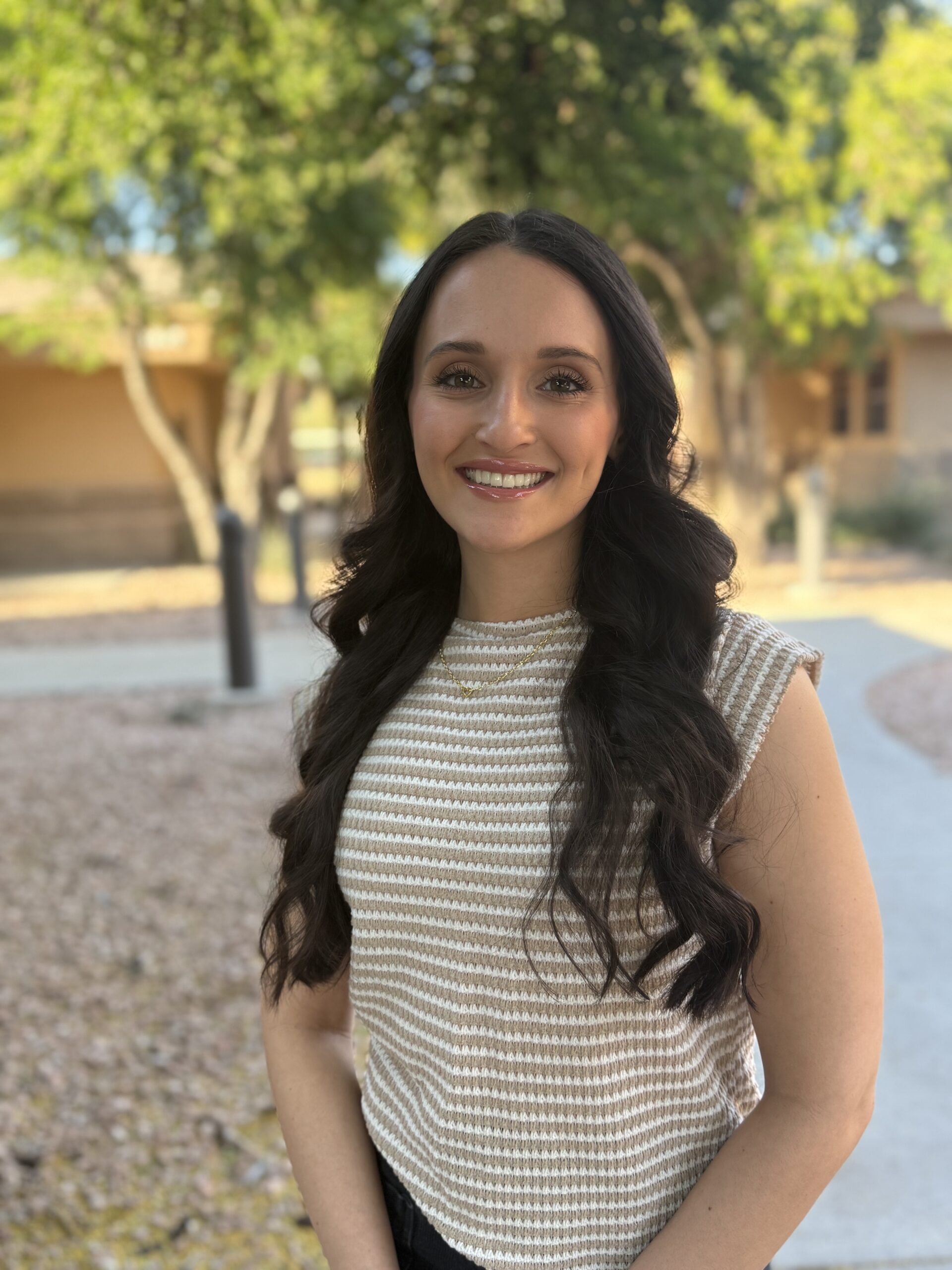
Meet Alyssa Dowdell: Licensed Associate Counselor
Read MoreAlyssa Dowdell, MS, LAC
Therapist
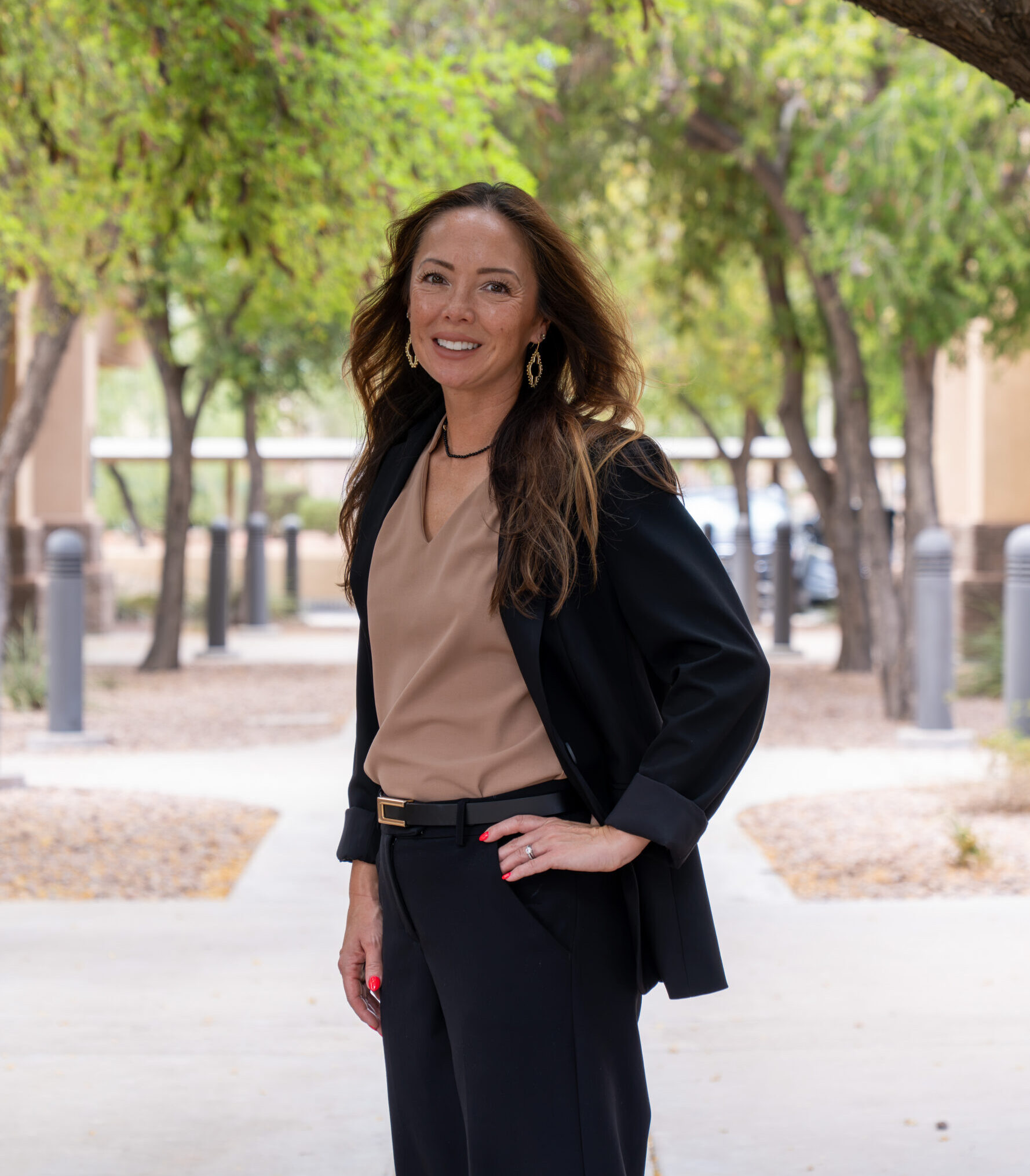
Meet Michele Rutti: Licensed Associate Counselor - children, teens, adults, couples, and families
Read MoreMichele Rutti, MS, LAC, NCC
Therapist

Meet Ali Kasulaitis, LAC — Child, Teen & Family Therapist
Read MoreAli Kasulaitis, MS, LAC
Therapist

Meet Chloe Cheek, MA, LPC - Trauma and Anxiety Therapist
Read MoreChloe Cheek, MA, LPC
Therapist

Haley Anderson, LCSW,
Read MoreHaley Anderson, LCSW
Therapist
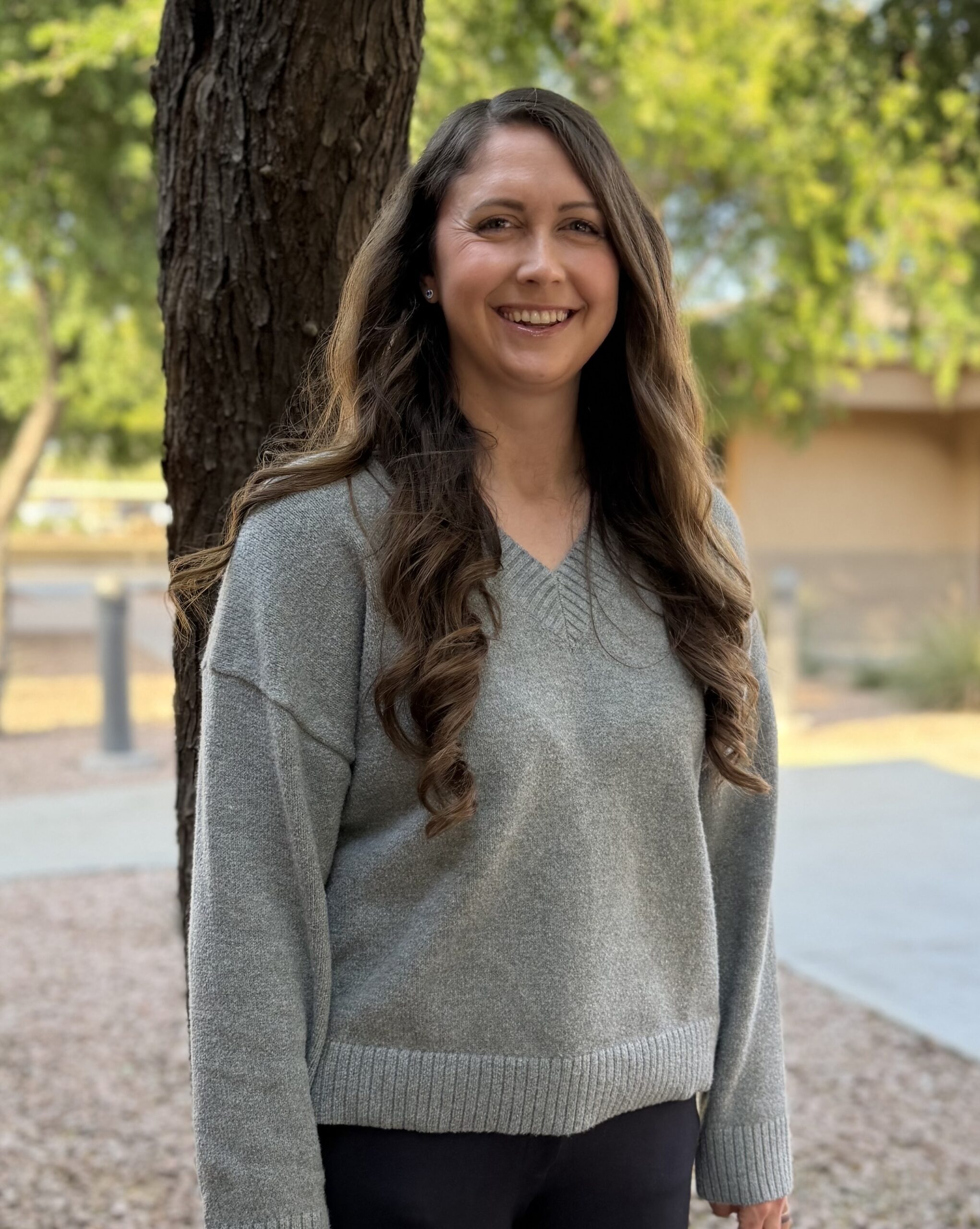
Meet Allison Zimmer, MS, LAC - Anxiety and Substance Therapist
Read MoreAllison Zimmer, MS, LAC
Therapist

Meet David Merrick, MS Ed. LPC-S - Teens and Adult Therapist
Read MoreDavid Merrick, MS Ed. LPC-S
Clinical Director

Meet Geanine Gafni, MA, LAC
Read MoreGeanine Gafni, MA, LAC
Therapist

Meet Sofia Softas-Nall therapist Scottsdale AZ - Trauma, LGBTQIA Therapist
Read MoreSofia Softas-Nall, MS, MA, LPC, NCC
Therapist

Meet Stephanie Levitt, MA, LPC, NCC - EMDR Therapist
Read MoreStephanie Levitt, MA, LPC, NCC
Therapist
Meet Stephanie Levitt, MA, LPC, NCC
Founder of Pathways Counseling Services
Stephanie Levitt, MA, LPC, NCC is a licensed professional counselor in Scottsdale, Arizona, with over 20 years of experience supporting individuals struggling with emotional overwhelm, anxiety, depression, and difficulty regulating emotions. She incorporates Dialectical Behavior Therapy (DBT) to help clients build practical skills for managing intense feelings and improving relationships.
Stephanie is trained in a range of evidence-based approaches, including DBT, Cognitive Behavioral Therapy (CBT), EMDR, exposure-based therapy, and Solution-Based Therapy (SBT). Her work focuses on helping clients develop skills in mindfulness, distress tolerance, emotion regulation, and interpersonal effectiveness—core components of DBT.
Stephanie believes in walking beside her clients with empathy, clarity, and clinical expertise—offering a structured and personalized approach to every individual. Her goal is to help you feel more in control, respond more effectively to stress, and build a more balanced and stable life.
Outside the therapy room, Stephanie has been featured on podcasts, radio shows, and panel discussions where she speaks about emotional regulation, trauma recovery, women’s mental health, and practical therapy strategies for lasting change.

Schedule your DBT session today!
Frequently asked questions
What is Dialectical Behavior Therapy (DBT)?
DBT is an evidence based therapy that helps people manage intense emotions, develop healthier coping skills, and improve relatiohships. It combines acceptance strategies with change strategies to support long term emotional and behavioral growth.,
Who is DBT therapy suited for?
DBT is especially helpful for individuals struggling with mood swings, anxiety, borderline personality disorder (BDP), self-harm trauma or unstable relationships. You don’t need a specific diagnosis to benefit from DBT just a desire to build emotional control and stronger coping tools.
How is DBT different from regular talk therapy?
Unlike traditional therapy, DBT is structured, skills-based and focused on practical tools. It helps clients build specific skills in mindfulness, distress tolerance, emotion regulation, and interpersonal effectiveness.
How long does DBT take to wor?
Many people begin noticing improvements within the fist few months of DBT, especialy when they consistently practice the skills outside of session . A full DBT program may oast 6-12 months or more depending on your needs and goals.
Do you offer DBT for teens or young adults?
Yes! At Pathways Counseling Services in Scottsdale, we offer DBT informed therapy for teens, young adults, and adults. Each plan is tailored to your age, development, and personal needs.
