
Adult trauma counseling • Scottsdale, AZ • Nervous system healing • EMDR + somatic tools
Adult Trauma Counseling in Scottsdale, AZ
Trauma doesn’t always look like flashbacks. Sometimes it looks like hypervigilance, emotional numbness, chronic tension, shutdown, people‑pleasing, or feeling like you can’t relax — even when life is “fine” now. At Pathways Counseling Services in Scottsdale, we help adults understand how trauma impacts the nervous system and learn evidence‑informed tools that support healing, regulation, and real life change.
What is trauma?
Trauma isn’t only defined by what happened — it’s also defined by what happened inside your body and nervous system as a result. Trauma can come from accidents, medical interventions, violence, abuse, neglect, chronic stress, or experiences that left you feeling unsafe or powerless. Even when the event is over, your body may keep responding as if danger is still present.
Important truth
Trauma responses are not personal failures. They are survival strategies your nervous system learned to protect you. Understanding this can reduce shame — and open the door to healing.
If you’re looking for trauma‑specific treatment for PTSD as well: Trauma & PTSD Therapy in Scottsdale
How trauma affects the brain and body
Trauma can keep the limbic system (the brain’s emotional and threat‑detection center) on high alert. Even after the threat is gone, your body can stay in “fight, flight, freeze, or shutdown.” That can show up as anxiety, panic, irritability, numbness, dissociation, sleep issues, or chronic exhaustion.
Hypervigilance
Always scanning for danger, difficulty relaxing, startled easily, tension in the body.
Shutdown / numbness
Feeling disconnected, “flat,” foggy, or like you’re watching life from a distance.
Body symptoms
Headaches, stomach issues, chronic pain/tension, fatigue, sleep disruption, or panic sensations.
Trauma responses commonly overlap with anxiety: Anxiety Therapy • and depression: Depression Counseling.
Signs you may be living in survival mode
Many adults carry trauma for years without realizing it. If your nervous system learned to prioritize survival, it may still react strongly to stress, conflict, or reminders — even when your logical mind knows you’re safe. If these patterns are affecting your relationships, work, or sense of self, trauma counseling can help.
Common signs
- Feeling constantly on edge, tense, or easily startled
- Emotional numbness, detachment, or difficulty feeling joy
- Intrusive memories, nightmares, or sudden body reactions
- Avoiding reminders of what happened (places, people, topics)
- Difficulty trusting others or feeling safe in relationships
- Strong shame, guilt, or self‑blame
- Difficulty sleeping, focusing, or regulating emotions
- Overworking, people‑pleasing, or controlling behaviors to feel safe
Evidence‑informed trauma therapy that supports healing
Healing from trauma isn’t about forcing yourself to “get over it.” It’s about helping your nervous system learn safety again, processing distressing memories at a tolerable pace, and building skills that support regulation, boundaries, and connection. At Pathways Counseling Services, we tailor treatment to your needs using trusted approaches.
EMDR
EMDR helps reprocess traumatic memories so they lose their emotional charge and become less triggering over time. EMDR Therapy in Scottsdale
Trauma‑informed CBT
CBT helps identify and shift trauma‑shaped beliefs and patterns that fuel fear, shame, and anxiety. CBT in Scottsdale
Somatic techniques
Somatic work supports reconnecting with the body to release stored stress responses and restore calm, presence, and stability.
Additional supports we may integrate
- Mindfulness & grounding for real-time regulation and staying present (Mindfulness Therapy).
- ACT (Acceptance & Commitment Therapy) to build psychological flexibility and reconnect with values.
- DBT‑informed skills for distress tolerance, emotional regulation, and self‑compassion (DBT in Scottsdale).
- Relationship support when trauma impacts trust, boundaries, or attachment (Couples Therapy).
- Self-care planning (sleep, routines, movement, nervous system “basics”) to support steadier progress.
Trauma therapy is collaborative. We’ll choose approaches that match your stability, readiness, and goals.
What to expect in trauma counseling at Pathways
Trauma counseling should feel safe, structured, and respectful. We’ll start by understanding what you’ve been dealing with, what triggers show up now, and what you want to change — then build a plan that fits your pace.
Private, judgment‑free sessions
Your story is handled with care. You share what you’re ready to share — no pressure, no minimizing.
Trauma‑informed therapists
Clinicians trained in trauma approaches including EMDR, CBT, grounding, and body-based strategies.
In‑person or telehealth
In‑person counseling in Scottsdale, plus telehealth across Arizona when clinically appropriate.
Key takeaways
- Trauma is about the nervous system response — not just the event.
- Survival strategies (hypervigilance, numbness, avoidance) are adaptive, and they can change with support.
- Evidence‑informed therapy (EMDR, trauma‑informed CBT, somatic work, mindfulness/grounding) can help you feel safer and more connected to your life.
Adult trauma counseling FAQ
Quick answers to common questions about trauma therapy in Scottsdale.
What types of trauma can affect adults?
Trauma can come from childhood neglect or abuse, accidents, medical interventions, domestic violence, sexual trauma, military combat, sudden loss, chronic stress, or experiences that left you feeling unsafe or powerless. Therapy focuses on how it impacted you — not whether it “counts.”
How does trauma affect the nervous system?
Trauma can keep the brain’s threat system on high alert, making your body react as if danger is still present. This can show up as hypervigilance, anxiety, irritability, sleep problems, panic sensations, numbness, or shutdown. Therapy helps your nervous system learn safety again.
How does EMDR work?
EMDR uses structured phases and bilateral stimulation to help the brain reprocess traumatic memories so they feel less intense and less triggering. Many people experience fewer flashbacks, less emotional charge, and more calm over time.
Do I have to retell every detail of what happened?
No. Trauma therapy is paced and collaborative. Many approaches do not require a detailed retelling. We prioritize stabilization first and move at a pace that feels manageable.
How long does trauma therapy take?
It varies. Some people benefit from focused short-term work; others choose longer therapy for complex trauma, layered experiences, or ongoing stress. We’ll collaborate on a plan that fits your goals and capacity.
Do you offer trauma counseling online in Arizona?
Yes. We offer in‑person sessions in Scottsdale and secure telehealth across Arizona when clinically appropriate and privacy can be maintained.
Educational content only — not a substitute for therapy, medical care, or a diagnostic evaluation.
Get started with adult trauma counseling in Scottsdale
If your nervous system has been stuck in survival mode, you don’t have to navigate it alone. Schedule a free 15‑minute phone consultation to talk through what you’re experiencing and explore the right next step.
Nervous System Check‑In (Trauma & Stress Quiz)
Answer these 10 quick questions about the past 2–4 weeks. This is a gentle self‑check to help you notice patterns that can show up after trauma or prolonged stress. This is not a diagnosis.
Question 1 of 10
Your results
Reminder: this quiz is informational and not a diagnosis. If symptoms are impacting your life, a licensed clinician can help you sort out what’s happening and what support fits best.
Why these questions?
Trauma and prolonged stress can leave the nervous system in a pattern of high alert (fight/flight), shutdown (freeze), or a mix of both. This check‑in looks at common signs like hypervigilance, sleep disruption, avoidance, intrusive experiences, and emotional numbing.
Meet Our Therapists

Meet Sofia Softas-Nall therapist Scottsdale AZ - Trauma, LGBTQIA Therapist
Read MoreSofia Softas-Nall, MS, MA, LPC, NCC
Therapist

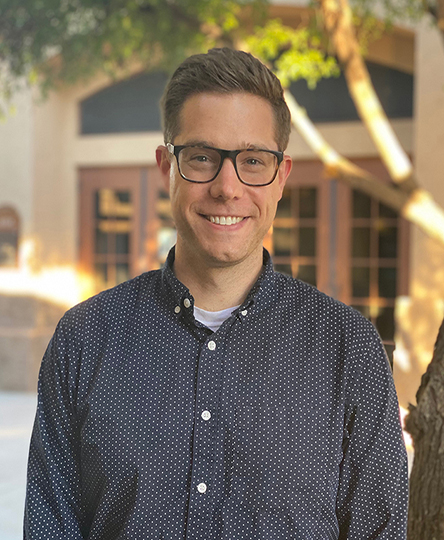
Meet David Merrick, MS Ed. LPC-S - Teens and Adult Therapist
Read MoreDavid Merrick, MS Ed. LPC-S
Clinical Director

Meet Allison Zimmer, MS, LAC - Anxiety and Substance Therapist
Read MoreAllison Zimmer, MS, LAC
Therapist

Meet Haley Anderson, MSW, LMSW - Child and Teen Therapist
Read MoreHaley Anderson, MSW, LMSW
Therapist

Meet Stephanie Levitt, MA, LPC, NCC - EMDR Therapist
Read MoreStephanie Levitt, MA, LPC, NCC
Therapist




Why choose us?
Every relationship faces challenges, but healing and growth are possible with the right support. At Pathways Counseling Services, we help couples reconnect, communicate, and build a stronger, lasting bond.
Why Choose Us?
Located in Scottsdale, AZ, Pathways Counseling Services offers a warm, spa-like environment where couples can feel safe and supported. Our holistic approach incorporates various treatment modalities, ensuring personalized care for every couple.
Contact us today!
Want to know more, check out our blog.
No posts were found for provided query parameters.