

OCD therapy • Adults • Scottsdale, AZ • ERP + CBT + ACT
OCD Therapy in Scottsdale, AZ
Do you ever feel stuck — caught in repetitive thoughts or rituals you can’t escape? Maybe you find yourself checking the door lock over and over, replaying “what if” scenarios, or doing mental rituals to feel certain, safe, or “just right.” OCD can be exhausting, time-consuming, and isolating — and it can create shame even when you logically know it doesn’t make sense. At Pathways Counseling Services, we understand how overwhelming Obsessive‑Compulsive Disorder (OCD) can feel. We’re here to help you regain peace and reclaim your life with evidence‑informed support.
When OCD starts to take over
OCD can feel like your brain won’t let a thought go — and your body won’t relax until you “do something” to neutralize the fear. Over time, the rituals may grow: checking, cleaning, reassurance-seeking, mental review, repeating, avoiding, or trying to “figure it out” perfectly. Even when you know the fear is unlikely, your nervous system can still react like danger is real.
You’re not your OCD
OCD is not a character flaw or a lack of willpower. It’s a treatable mental health condition that can improve with the right support. Therapy helps you break the cycle — not by “proving” your fears wrong, but by helping your brain learn you can tolerate uncertainty and choose your life back.
Helpful resources: NIMH — OCD • International OCD Foundation (IOCDF)
What is OCD?
You’ve probably heard someone say, “I’m so OCD — I like organizing!” But OCD goes far beyond being tidy or liking routines. Obsessive‑Compulsive Disorder is a condition where unwanted, intrusive thoughts (obsessions) create anxiety or distress, and repetitive behaviors or mental rituals (compulsions) are used to relieve that distress — usually only temporarily. This can become a cycle that consumes time, energy, and peace of mind.
Obsessions
Intrusive thoughts, images, urges, or doubts that feel distressing (and often feel “sticky” or hard to dismiss).
Compulsions
Behaviors or mental rituals done to reduce anxiety, feel certain, or prevent something bad from happening.
The OCD cycle
Relief from compulsions is temporary, so the brain learns “do it again,” and the cycle grows stronger over time.
OCD often overlaps with anxiety and panic symptoms. If that resonates: Individual Therapy • Anxiety Therapy
What does OCD look like?
OCD looks different for everyone — and it’s not always visible. Some people experience mostly external rituals (like checking or washing), while others experience mainly mental compulsions (like counting, replaying, reviewing, or “figuring it out”). If your routines or worries are taking up a large part of your day or interfering with work, relationships, or sleep, therapy can help.
External signs (behaviors)
- Repetitive behaviors done in specific patterns (tapping, repeating, redoing)
- Excessive checking (locks, appliances, switches, emails, mistakes)
- Cleaning or washing rituals driven by contamination fears
- Needing things “just right” / symmetry or order to feel calm
- Reassurance-seeking (asking others to confirm you’re safe, clean, okay)
- Avoiding places/objects/people that trigger obsessions
- Difficulty discarding items (sometimes overlaps with hoarding behaviors)
If these experiences resonate, consider scheduling a free 15‑minute phone consultation to talk through next steps.
How we support adults in overcoming OCD
At Pathways Counseling Services, we offer compassionate, personalized care using evidence‑informed and trauma‑informed approaches. The goal is not to “argue” with OCD or eliminate every uncomfortable thought — it’s to reduce the power OCD has over your decisions, help you tolerate uncertainty, and help you re-engage with what matters to you.
CBT (OCD‑informed)
Cognitive Behavioral Therapy helps you understand the OCD cycle and shift patterns of thinking and behavior. Learn about CBT
Exposure & Response Prevention (ERP)
ERP is a specialized CBT approach and is widely regarded as the most effective treatment for OCD. It helps you face fears gradually while reducing compulsions — so your brain learns you can handle discomfort without rituals.
ACT (Acceptance & Commitment Therapy)
ACT helps you make room for thoughts without obeying them — and build a life guided by values instead of fear.
Additional supports we may integrate
- Mindfulness & somatic tools to ground your nervous system and reduce reactivity to intrusive thoughts (Mindfulness Therapy).
- Medication coordination (when helpful) by collaborating with or referring to a medical provider for medication management.
- Family therapy / support to educate loved ones and reduce unintentional reassurance/enabling patterns (Family Therapy).
- Lifestyle support (sleep hygiene, stress management, movement, substance reduction) to strengthen stability alongside therapy.
Note: We do not provide medical advice on this page. Your care plan is individualized and collaborative.
What is ERP therapy for OCD?
ERP (Exposure and Response Prevention) helps you gradually face triggers without doing the compulsion. Over time, your brain learns a new message: “I can tolerate uncertainty and discomfort — and I don’t need the ritual to be safe.” ERP is collaborative and paced — you’re not thrown into the “deep end.”
Step 1: Identify the cycle
We clarify obsessions, triggers, compulsions, and avoidance patterns — and what OCD has been costing you.
Step 2: Build an exposure plan
We create a graded hierarchy (from easier to harder) so you build confidence and momentum safely.
Step 3: Practice response prevention
We reduce rituals and reassurance, build tolerance for uncertainty, and track real progress over time.
ERP is often paired with CBT/ACT and mindfulness-based skills for best results.
What to expect at Pathways Counseling Services
OCD therapy should feel structured, supportive, and respectful — not shaming or overwhelming. We’ll work at a pace that’s challenging enough to create change but safe enough to maintain trust and consistency.
First session
We’ll discuss what you’re experiencing, what you’ve tried, and what OCD looks like day-to-day. We’ll begin clarifying goals and next steps.
Ongoing sessions
You’ll practice skills, exposures (if ERP is a fit), and strategies that reduce compulsions and increase freedom in daily life.
Between-session support
OCD change happens in real life. You may have structured practice (“homework”) designed to be doable and confidence-building.
Interested in broader support as well? Individual Therapy in Scottsdale
Key takeaways
- OCD is more than being organized — it involves intrusive thoughts (obsessions) and rituals (compulsions) that reduce anxiety temporarily.
- OCD can be mostly external (checking/washing) or mostly internal (mental rituals, rumination, reassurance seeking).
- ERP + CBT/ACT are evidence-informed approaches that can reduce compulsions and help you reclaim your life.
OCD therapy FAQ
Quick answers to common questions about adult OCD counseling in Scottsdale.
What’s the difference between OCD and OCPD?
OCD involves obsessions (intrusive thoughts) and compulsions (rituals) driven by anxiety and uncertainty. OCPD (Obsessive-Compulsive Personality Disorder) is more about a pattern of perfectionism, control, and rigidity that feels “right” or justified to the person. A therapist can help clarify what fits your experience.
Is ERP therapy scary?
ERP can feel challenging, but it should not feel unsafe or overwhelming. It’s collaborative and paced. You practice exposures gradually and build skills for tolerating discomfort without rituals — so confidence grows over time.
Do you treat “Pure O” (mainly mental compulsions)?
Many people experience OCD primarily as intrusive thoughts and mental rituals (reviewing, analyzing, reassurance, checking feelings, counting). Therapy can help reduce mental compulsions and build tolerance for uncertainty just like visible compulsions.
How long does OCD therapy take?
It varies. Some people benefit from focused short-term ERP/CBT work; others prefer longer therapy depending on severity, co-occurring anxiety/depression, and life stressors. We’ll collaborate on a plan that fits your goals and capacity.
Do you offer OCD therapy online in Arizona?
Yes. We offer in-person sessions in Scottsdale and secure telehealth across Arizona when clinically appropriate and privacy can be maintained.
What if I feel ashamed about my thoughts?
You’re not alone — shame is common with OCD. Intrusive thoughts are not a reflection of your character or intentions. Therapy provides a nonjudgmental space to understand what’s happening and learn skills that reduce OCD’s power.
Educational content only — not a substitute for therapy, medical care, or a diagnostic evaluation.
Get started with OCD therapy in Scottsdale
If OCD is taking up too much space in your life, you don’t have to handle it alone. We’re here to help you build skills, reduce rituals, and move toward a life guided by your values — not fear. Schedule a free 15‑minute phone consultation to talk through what you’re experiencing and find the right next step.
Our Therapists

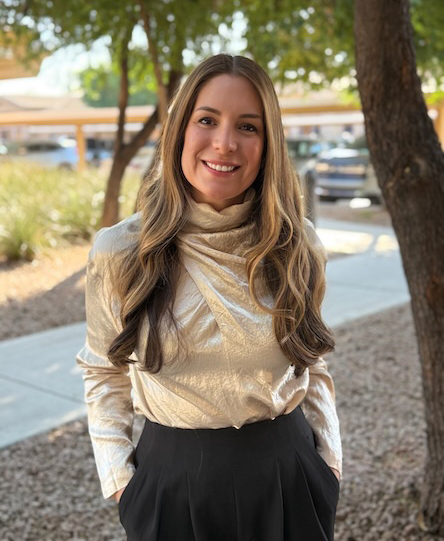
Meet Sofia Softas-Nall therapist Scottsdale AZ - Trauma, LGBTQIA Therapist
Read MoreSofia Softas-Nall, MS, MA, LPC, NCC
Therapist
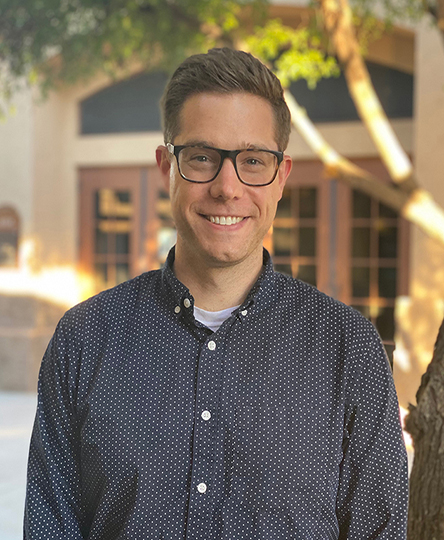
Meet David Merrick, MS Ed. LPC-S - Teens and Adult Therapist
Read MoreDavid Merrick, MS Ed. LPC-S
Clinical Director

Meet Allison Zimmer, MS, LAC - Anxiety and Substance Therapist
Read MoreAllison Zimmer, MS, LAC
Therapist

Meet Haley Anderson, MSW, LMSW - Child and Teen Therapist
Read MoreHaley Anderson, MSW, LMSW
Therapist

Meet Stephanie Levitt, MA, LPC, NCC - EMDR Therapist
Read MoreStephanie Levitt, MA, LPC, NCC
Therapist



OCD Counseling

Why choose us?
Every relationship faces challenges, but healing and growth are possible with the right support. At Pathways Counseling Services, we help couples reconnect, communicate, and build a stronger, lasting bond.
Why Choose Us?
Located in Scottsdale, AZ, Pathways Counseling Services offers a warm, spa-like environment where couples can feel safe and supported. Our holistic approach incorporates various treatment modalities, ensuring personalized care for every couple.
Contact us today!
Want to know more, check out our blog.
No posts were found for provided query parameters.