
Bipolar disorder • Children & teens • Scottsdale, AZ • Mood stability + family support
Bipolar Disorder Therapy for Children & Teens in Scottsdale, AZ
Parenting a child or teen with intense mood swings, irritability, impulsivity, or emotional “highs and lows” can feel confusing and exhausting. Bipolar disorder in youth can look different than bipolar disorder in adults — and symptoms can overlap with ADHD, anxiety, depression, trauma responses, and typical development. If your family is feeling stuck, support is available. Pathways Counseling Services provides compassionate, evidence‑informed counseling in Scottsdale to help kids and teens build emotional stability, strengthen coping skills, and support parents with practical tools.
Understanding bipolar disorder in youth
Bipolar disorder in children and teenagers may present differently than adults. Instead of clear “episodes” that feel easy to identify, some kids experience mixed moods, intense irritability, rapid shifts, or spikes in energy that can look like impulsivity or agitation. When symptoms are frequent, severe, and interfering with school, friendships, sleep, or family life, it’s worth getting support.
Early signs aren’t always obvious
Parents often first notice sleep changes, big reactions, impulsivity, or sudden shifts in mood that feel “out of nowhere.”
Overlap with other concerns
Bipolar‑like symptoms can overlap with ADHD, anxiety, depression, trauma, or chronic stress. A careful evaluation helps clarify the pattern.
Support can reduce escalation
Therapy helps kids and teens build emotional regulation skills and helps parents respond with steadier boundaries and connection.
Helpful resources: NIMH — Bipolar Disorder in Children & Teens • AACAP — Bipolar Disorder in Children & Teens
What does bipolar disorder look like in kids and teens?
Bipolar disorder isn’t simply “moodiness” or “acting out.” It involves shifts in mood, energy, sleep, and functioning that are more intense than typical ups and downs. Some youth have clearer manic/hypomanic and depressive periods; others fluctuate more rapidly or experience mixed symptoms. A licensed clinician can help evaluate what’s happening and what support fits best.
Possible manic / hypomanic‑type signs
- Reduced need for sleep without feeling tired
- Unusually high energy, “wired” behavior, or sudden goal‑driven activity
- Fast speech, racing thoughts, distractibility
- Risky or impulsive behavior (spending, rule‑breaking, unsafe choices)
- Inflated confidence, grand ideas, or feeling “invincible”
- Extreme irritability, agitation, or aggression that feels out of character
Support for big emotions in general: Child Therapy • Teen Therapy
Common challenges for families
Parenting a child with intense mood instability can be deeply stressful — and many parents feel alone or judged. Bipolar symptoms can impact the whole household: routines, sibling relationships, school functioning, and caregiver burnout. You deserve support too, not just your child.
Challenges we often hear about
- Frequent conflict, emotional outbursts, or “walking on eggshells” at home
- School struggles: attendance, concentration, falling behind, inconsistent performance
- Social strain: isolation, peer conflict, bullying, difficulty maintaining friendships
- Sibling stress and family tension
- Parent overwhelm, anxiety, or feeling unsure what to do next
Family support can be a game-changer: Family Therapy in Scottsdale • Proactive Parenting
Therapeutic support for bipolar disorder in children and teens
Treatment for bipolar disorder in youth often includes therapy plus (in some cases) medication management through a medical provider. Therapy supports long-term stability by teaching emotional regulation, reducing impulsive reactions, strengthening routines, and improving communication at home. Our approach is personalized to your child’s age, strengths, and symptoms.
CBT skills (thoughts + coping)
Cognitive Behavioral Therapy (CBT) helps kids/teens notice mood‑driven thinking patterns and build practical coping tools. Learn about CBT
DBT‑informed skills (emotion regulation)
DBT skills support distress tolerance, emotional regulation, and relationship effectiveness — especially helpful for impulsivity and emotional intensity. Learn about DBT
Family therapy + parent coaching
Family support improves routines, reduces conflict cycles, strengthens communication, and helps caregivers respond consistently. Explore family therapy
How therapy can help your child thrive
- Recognize early warning signs of mood shifts (sleep, energy, irritability, behavior)
- Build coping plans for escalation moments (before things blow up)
- Improve emotional literacy: naming feelings + communicating needs safely
- Strengthen routines that protect stability (sleep, structure, self-care)
- Support self-esteem and reduce shame after hard days
- Help parents feel confident and consistent — not reactive
Also exploring adult support for yourself? Adult Bipolar Disorder Counseling
Why early intervention matters
When mood instability goes untreated, kids and teens may become more vulnerable to school failure, risky behavior, substance use, social isolation, and increased crisis risk. Early support helps families build tools and structure before symptoms create bigger consequences. The goal is not “perfect moods” — it’s steadier functioning, stronger coping, and a safer, calmer home environment.
Protect development
Early skill-building supports emotional growth, confidence, and healthier identity development.
Reduce crisis cycles
Families learn how to respond earlier — not only after a situation escalates.
Build hope + stability
With support, many youth learn to manage symptoms and pursue a full, meaningful life.
Key takeaways
- Bipolar disorder in youth can look different than in adults and may include mixed moods, intense irritability, sleep changes, and impulsivity.
- Symptoms can overlap with ADHD, anxiety, depression, and trauma — careful evaluation matters.
- Therapy helps children and teens build emotional regulation skills and helps parents respond with structure, consistency, and connection.
Child & teen bipolar disorder FAQ
Quick answers to common questions families ask.
How do I know if this is bipolar disorder or “normal teen moodiness”?
Typical ups and downs are common, but bipolar‑type concerns are often more intense and disruptive — especially when mood/energy/sleep shifts affect school, relationships, safety, or decision‑making. A licensed clinician can help evaluate patterns over time.
Can bipolar disorder be confused with ADHD?
Yes. Some symptoms overlap (impulsivity, distractibility, high energy). Because treatment plans can differ, it’s important to look at the full history, sleep patterns, mood shifts, triggers, and how symptoms change over time.
What therapies help kids and teens with bipolar symptoms?
Therapy is personalized, but many youth benefit from CBT, DBT‑informed skills (emotion regulation and distress tolerance), family therapy, and parent coaching. Treatment may also involve coordination with a medical provider for medication management when appropriate.
Will my child need medication?
Some youth benefit from medication, but decisions are individualized and handled by a prescribing medical provider. Therapy supports stability regardless — with coping skills, routines, and relapse-prevention planning.
Do you offer telehealth for kids/teens in Arizona?
Yes. We offer secure telehealth across Arizona when clinically appropriate and when privacy can be maintained. We also offer in‑person appointments at our Scottsdale office near Shea & the 101.
What should I do if my teen is in crisis?
If there is immediate danger, call 911. In the U.S., you can call or text 988 for the Suicide & Crisis Lifeline. If you’re unsure, err on the side of safety and seek urgent help.
Educational content only — not a substitute for therapy, medical care, or a diagnostic evaluation.
Get started with child & teen bipolar disorder therapy in Scottsdale
If your family is navigating intense mood swings, chronic irritability, or emotional instability, you don’t have to do it alone. We’re here to help your child build skills, help you feel supported as a parent, and help your household move toward steadier days.
Our Therapists

Meet Sofia Softas-Nall therapist Scottsdale AZ - Trauma, LGBTQIA Therapist
Read MoreSofia Softas-Nall, MS, MA, LPC, NCC
Therapist


Meet David Merrick, MS Ed. LPC-S - Teens and Adult Therapist
Read MoreDavid Merrick, MS Ed. LPC-S
Clinical Director

Meet Allison Zimmer, MS, LAC - Anxiety and Substance Therapist
Read MoreAllison Zimmer, MS, LAC
Therapist

Meet Haley Anderson, MSW, LMSW - Child and Teen Therapist
Read MoreHaley Anderson, MSW, LMSW
Therapist

Meet Stephanie Levitt, MA, LPC, NCC - EMDR Therapist
Read MoreStephanie Levitt, MA, LPC, NCC
Therapist




Why choose us?
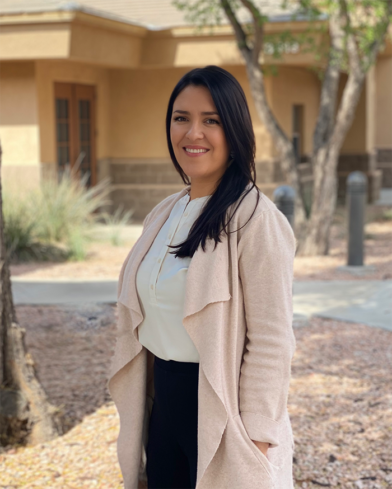
Meet Stephanie Levitt, LPC, the founder of Pathways Counseling Services. Stephanie brings over 20 years of experience helping children and families navigate trauma, loss, and emotional healing. As a Licensed Professional Counselor and grief specialist, she is passionate about providing children with the tools they need to process loss in healthy, developmentally appropriate ways.
Her approach blends warmth, clinical expertise, and creative therapies tailored to each child’s needs. Stephanie also works closely with caregivers to ensure they feel supported and empowered throughout the healing process.