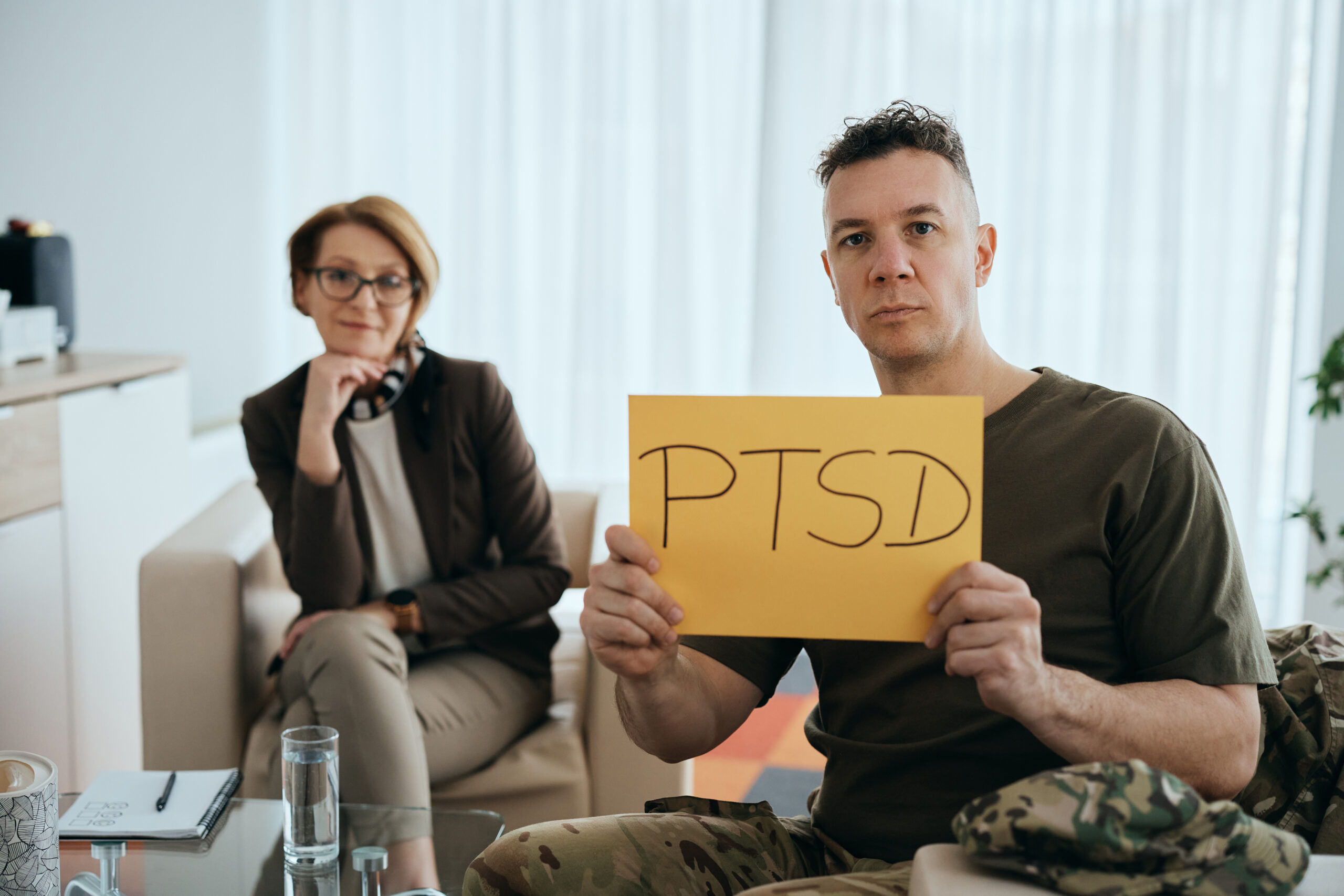

Child trauma counseling • Scottsdale, AZ • Trauma‑informed therapy + parent support
Child Trauma Counseling in Scottsdale, AZ
Has your child become more withdrawn, anxious, or angry lately? Maybe you’re seeing meltdowns over small things, clinginess, nightmares, trouble sleeping, or sudden avoidance of places they used to enjoy. When trauma is involved, kids don’t always use words — they use behavior. Child trauma therapy helps your child feel emotionally safe enough to begin healing, build coping skills, and reconnect to family and life again.
“Beneath every behavior is a feeling, and beneath every feeling is a need. And when we meet the need rather than focus on the behavior, we begin to deal with the cause, not the symptom.”
When child behavior may be signaling trauma
Trauma doesn’t always look like fear or tears. Sometimes it looks like aggression, defiance, shutdown, clinginess, school refusal, “being difficult,” or constant power struggles. When kids feel overwhelmed and unsafe inside, behavior becomes their communication. Trauma‑informed counseling focuses on the need beneath the behavior — helping your child feel safer, steadier, and more connected over time.
Emotional safety first
We prioritize trust, comfort, and a predictable therapy space so kids can open up at their own pace.
Regulation & coping skills
Children learn tools to calm their body, name emotions, and respond instead of reacting.
Caregiver support
Parents are supported with co‑regulation tools, boundaries, and strategies that work in real life.
Also supporting teens? Teen Therapy in Scottsdale
What is childhood trauma counseling?
Trauma is not only what happened to a child — it’s how their mind and body responded. A traumatic experience can overwhelm a child’s sense of safety and leave emotional, physical, and relational effects that show up later through mood, behavior, or body symptoms. Therapy helps give that experience a voice in a developmentally appropriate way — and creates space for healing.
Common sources of trauma in children
- Parental separation or high‑conflict divorce
- Witnessing domestic violence or substance use
- Physical, emotional, or sexual abuse
- Serious illness, injury, or medical procedures (child or family)
- Loss of a loved one or pet
- Bullying or social rejection
- Car accidents or natural disasters
- Sudden changes like foster care or relocation
Helpful resource: NCTSN — What is child trauma?
Signs of trauma in children
Emotional trauma in children doesn’t always look like flashbacks. It can look like acting out, shutting down, or refusing school. Because children often lack the language to explain what’s happening, their symptoms tend to show up through behavior and body signals.
Common trauma-related signs
- Mood swings, big reactions, or frequent meltdowns
- Increased sensitivity (textures, sounds, transitions, surprises)
- Nightmares, trouble falling asleep, bedwetting
- Regression (baby talk, clinginess, returning to earlier behaviors)
- Hypervigilance, jumpiness, or always “on alert”
- Withdrawal from friends, family, or play
- Aggression, defiance, or emotional shutdown
- Physical complaints (stomachaches, headaches)
- Difficulty focusing, school decline, or school avoidance
- Increased need for reassurance or control
These behaviors are not “bad behavior” — they are often survival responses. In therapy, we focus on the why beneath the behavior and build tools for safety, co‑regulation, and healthy expression.
How trauma affects a child’s brain and body
When a child experiences something frightening, the brain’s threat system (often called the limbic system) can activate fight, flight, freeze, or fawn responses. If trauma is ongoing or unresolved, a child’s nervous system may stay stuck in stress mode — even when the danger has passed. Trauma‑informed child therapy helps children feel safer in their body and relationships again.
Hypervigilance & anxiety
Always scanning for danger, difficulty relaxing, separation fears, or constant “what if” worry.
Regulation challenges
Big emotions that escalate quickly, trouble calming down, irritability, or emotional shutdown/numbness.
Play & reenactment
Repetitive play themes, control behaviors, avoidance, or “replaying” experiences through behavior.
Some children also develop PTSD symptoms after trauma. Resource: NIMH — PTSD
How child trauma therapy helps
Trauma therapy for children is gentle, structured, and developmentally appropriate. Our therapists help kids build emotional safety first, then gradually strengthen coping, regulation, and confidence. When clinically appropriate, we support safe processing of traumatic memories without overwhelming your child.
Play therapy
For younger children, play is often the language of healing. Play‑based therapy helps children express what’s hard to say out loud and practice coping through stories and symbolic play. Play Therapy in Scottsdale
PCIT (Parent‑Child Interaction Therapy)
PCIT is often helpful for children (commonly ages 2–10) when trauma shows up as outbursts, defiance, or difficulty with trust and safety. Parents receive live coaching to strengthen connection, co‑regulation, and consistent boundaries. Proactive Parenting
TF‑CBT for older kids & teens
Trauma‑Focused CBT (TF‑CBT) helps children and teens understand how thoughts, feelings, and behaviors connect to trauma, build coping tools, and process experiences at a safe pace (often with caregiver support). CBT in Scottsdale
Additional approaches (as appropriate)
- Mindfulness & somatic tools to help kids notice body signals and calm their nervous system (Mindfulness Therapy).
- Exposure‑based support for trauma‑related avoidance and fear, using gradual, supportive steps (Exposure Therapy).
- EMDR for distressing memories when appropriate and developmentally suited (EMDR Therapy).
- Expressive arts therapy (art, movement, storytelling) to help children externalize and process emotions safely.
- School collaboration (with caregiver consent) to support your child across environments.
Therapy is not one‑size‑fits‑all. We tailor the plan to your child’s age, temperament, needs, and family context.
Healing the whole family
When a child is hurting, the entire family feels it. Caregivers often feel helpless, exhausted, or unsure how to respond. We support parents with co‑regulation tools, consistent routines, and trauma‑informed communication — so home becomes part of the healing. When appropriate, caregivers are included to reinforce progress and strengthen attachment and safety.
Co‑regulation tools
Learn what to do in the moment — during meltdowns, shutdown, nightmares, and fear spikes.
Boundaries with warmth
Build structure that reduces chaos while still validating your child’s nervous system and needs.
Repair & connection
Strengthen trust so your child feels safer with you — even when emotions run high.
Parenting support: Proactive Parenting in Scottsdale • Family support: Family Therapy
Key takeaways
- Trauma can show up through behavior, sleep, body symptoms, and relationship changes — not just words.
- “Bad behavior” is often a survival response. Trauma therapy focuses on the need beneath the behavior.
- Evidence‑informed approaches (play therapy, PCIT, TF‑CBT, mindfulness/somatic tools, exposure‑based work, EMDR) can help kids rebuild safety and resilience.
Child trauma counseling FAQ
Quick answers to common questions caregivers ask.
How do I know if my child’s behavior is trauma‑related?
Trauma can look like anxiety, meltdowns, aggression, withdrawal, regression, sleep issues, school avoidance, or physical complaints. If symptoms started after a stressful event (or are intense/persistent and affecting daily life), therapy can help clarify what’s going on and build a plan.
What ages do you work with?
We support children and teens with developmentally appropriate approaches. Younger children often benefit from play‑based therapy and caregiver coaching, while older kids and teens may use TF‑CBT/CBT and skills-based support.
Will parents be involved in therapy?
Often, yes. Caregiver involvement strengthens progress at home. Involvement is handled in an age‑appropriate way that protects the child’s trust while keeping caregivers supported and informed.
Will my child have to talk about the trauma right away?
No. Therapy is paced. We focus on safety and regulation first. Many children process trauma through play, art, and body-based tools before using words. Your child is never forced to share more than they are ready to share.
Do you offer telehealth for children in Arizona?
Yes. We offer in‑person sessions in Scottsdale and secure telehealth across Arizona when clinically appropriate and privacy can be maintained.
Is child trauma therapy confidential?
Yes, with legal exceptions (such as imminent safety risk or required reporting). We explain confidentiality clearly in the first session and collaborate with caregivers in ways that support the child’s safety and trust.
Educational content only — not a substitute for therapy, medical care, or a diagnostic evaluation.
Start your child’s healing journey
Watching your child struggle can feel heartbreaking and overwhelming — but you don’t have to do this alone. With the right support, children can heal, grow, and reclaim their joy. Schedule a free 15‑minute consultation to explore next steps.
Our Therapists

Meet Sofia Softas-Nall therapist Scottsdale AZ - Trauma, LGBTQIA Therapist
Read MoreSofia Softas-Nall, MS, MA, LPC, NCC
Therapist


Meet David Merrick, MS Ed. LPC-S - Teens and Adult Therapist
Read MoreDavid Merrick, MS Ed. LPC-S
Clinical Director

Meet Allison Zimmer, MS, LAC - Anxiety and Substance Therapist
Read MoreAllison Zimmer, MS, LAC
Therapist

Meet Haley Anderson, MSW, LMSW - Child and Teen Therapist
Read MoreHaley Anderson, MSW, LMSW
Therapist

Meet Stephanie Levitt, MA, LPC, NCC - EMDR Therapist
Read MoreStephanie Levitt, MA, LPC, NCC
Therapist


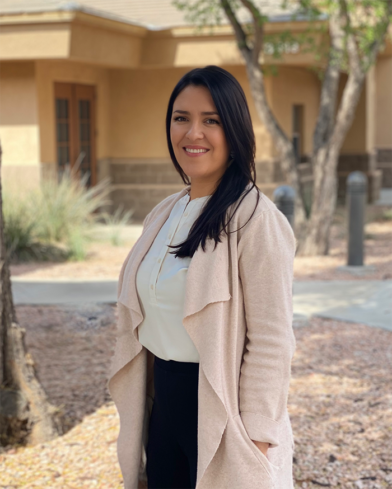


Meet Alyssa Dowdell: A Behavioral Health Technician Focused on Growth and Healing
Read MoreAlyssa Dowdell
Behavioral Health Technician


Why choose us?
Every relationship faces challenges, but healing and growth are possible with the right support. At Pathways Counseling Services, we help couples reconnect, communicate, and build a stronger, lasting bond.
Why Choose Us?
Located in Scottsdale, AZ, Pathways Counseling Services offers a warm, spa-like environment where couples can feel safe and supported. Our holistic approach incorporates various treatment modalities, ensuring personalized care for every couple.