
Marriage counseling • Scottsdale, AZ • Communication + trust + connection
Marriage Counseling in Scottsdale, AZ
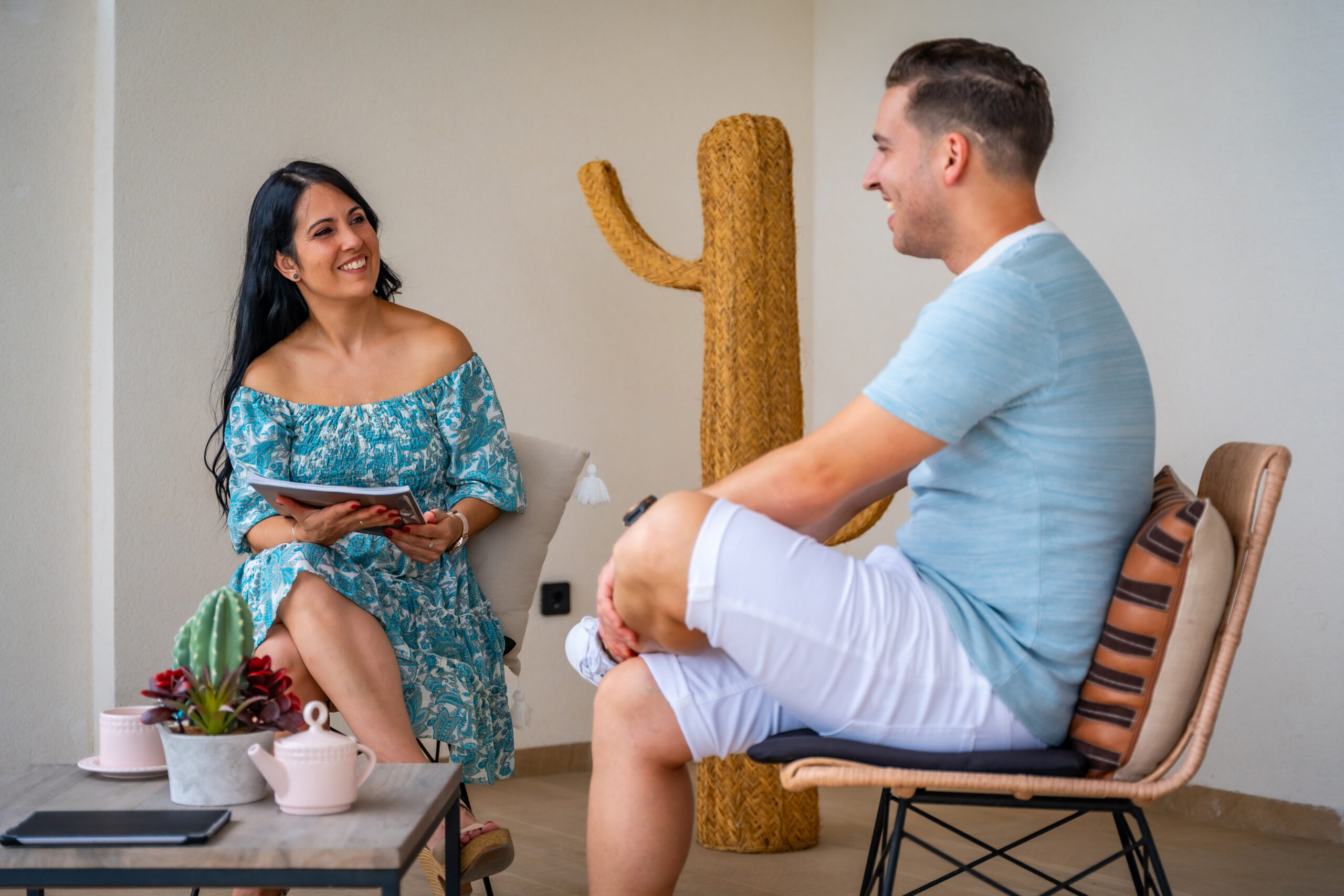
If the same arguments keep repeating, you feel emotionally distant, or trust feels fragile, marriage counseling can help. At Pathways Counseling Services, couples therapy provides a structured space to slow down conflict, understand what’s underneath it, and rebuild connection with practical tools you can use at home.
Understanding marriage counseling
Marriage counseling gives couples a neutral, therapist-guided environment to talk about hard topics without spiraling into blame, shutdown, or escalation. The goal isn’t to “pick a side”—it’s to help both partners feel heard, understand the pattern you’re stuck in, and build healthier ways to relate.
Common reasons couples start therapy
- Communication feels tense or turns into arguments
- Emotional distance, loneliness, or “roommate mode”
- Trust issues, resentment, or unresolved hurt
- Recurring fights that never fully resolve
- Parenting stress, blended family adjustment, or life transitions
- Conflicts around intimacy, finances, roles, or expectations
Not married? Counseling can still help. We work with married couples, engaged couples, and committed partners.
The benefits of Gottman-informed couples therapy
Many couples benefit from tools inspired by the Gottman Method because it focuses on the relationship skills that matter most: friendship, communication, managing conflict, and building trust and intimacy over time. (Your therapist may integrate Gottman-informed strategies alongside other evidence-based approaches depending on your needs.)
Stronger friendship & connection
Rebuild warmth, understanding, and “being on the same team,” even when life is stressful.
Healthier conflict
Learn to manage disagreements without escalation—and repair faster after conflict.
More intimacy & trust
Practice tools that support emotional closeness, responsiveness, and trust-building.
Optional resource: The Gottman Institute
What to expect in marriage counseling
Sessions are structured, supportive, and focused. You’ll work on understanding your cycle (how conflict starts, escalates, and how repair happens), then build practical skills that make day-to-day life feel calmer and more connected.
1) Clarity & goals
We identify what you want to change and what “better” looks like—communication, trust, intimacy, or teamwork.
2) Tools that fit your relationship
Skills may include communication structure, conflict de‑escalation, repair attempts, boundaries, and emotional needs mapping.
3) Progress between sessions
Small action steps help new patterns stick at home—without overwhelming either partner.
Watch: Relationship support at Pathways
A short overview of how counseling can support communication, connection, and change.
Quick relationship check‑in
This is a simple reflection tool—not a diagnosis. No data is collected or sent anywhere.
Could marriage counseling help your relationship?
Answer “Yes” or “No” based on what’s been true for you recently (past 1–2 months).
If you’re in immediate danger or crisis, call emergency services. In the U.S., call or text 988.
Marriage counseling FAQ
Answers to common questions couples ask before starting.
What is marriage counseling and how does it work?
Marriage counseling helps couples improve communication, resolve conflict, and strengthen emotional connection. Sessions focus on understanding patterns, addressing challenges, and practicing healthier ways to relate in a neutral, supportive environment.
Do we need to be married to attend marriage counseling?
No. Marriage counseling is helpful for married couples, engaged couples, long-term partners, and committed relationships at any stage. The goal is to support the relationship, regardless of legal marital status.
What issues can marriage counseling help with?
Counseling can help with communication problems, trust issues, infidelity recovery, emotional distance, recurring arguments, parenting stress, life transitions, and conflict around finances or intimacy.
Will the therapist take sides?
No. Therapists remain neutral and work to understand both perspectives. The focus is on the relationship— helping each partner feel heard while working toward mutual understanding and practical solutions.
How long does marriage counseling usually last?
The length varies based on goals and challenges. Some couples see improvement in a few sessions, while others benefit from weekly or biweekly sessions over several months.
What if my partner is hesitant or unsure about therapy?
This is very common. Many couples start counseling with different levels of readiness. A skilled therapist helps create a safe, respectful space where both partners can engage at their own pace.
Is marriage counseling covered by insurance?
Coverage varies by plan. In some cases, counseling may be covered when related to a mental health concern. Our team can help verify benefits and explain options.
Start marriage counseling in Scottsdale
Whether you’re feeling stuck, disconnected, or simply want to strengthen your relationship, we’re here to help you take the next step with clarity and support.
Educational content only — not a substitute for therapy or medical care. If you’re in immediate danger or crisis, call emergency services. In the U.S., call or text 988.
Marriage Relationship Check‑In (Quick Quiz)
Answer these 10 quick questions based on the past 1–2 months. You can answer together or separately (it’s normal to have different perspectives). This is not a diagnosis—it’s a reflection tool to help you notice patterns and choose next steps.
Safety note: If there is fear, coercion, threats, stalking, or physical harm in the relationship, couples/marriage counseling may not be the safest first step. If you’re in immediate danger, call 911. In the U.S., you can call or text 988. For relationship violence support, call 1‑800‑799‑7233 or text START to 88788.
Question 1 of 10
Your results
Reminder: this quiz is informational and not a diagnosis. Marriage counseling can help you map the cycle you’re stuck in, practice communication + repair tools, rebuild trust, and reconnect emotionally over time.
Why these questions?
Marriage stress often shows up in three overlapping areas: communication & conflict (how you fight and repair), trust/resentment/teamwork (reliability, fairness, shared decisions), and connection & intimacy (friendship, warmth, closeness). A check‑in helps you name what’s happening so you can choose practical next steps.
Our Therapists
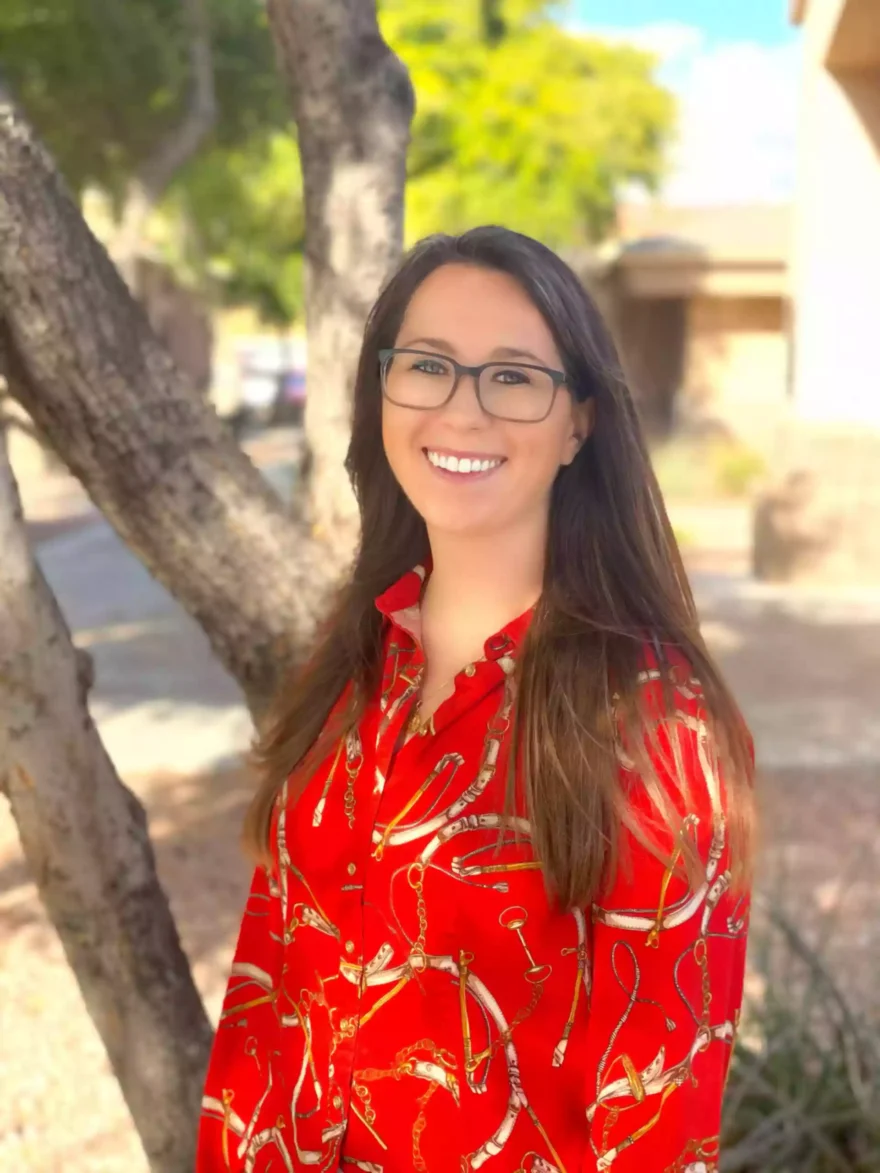
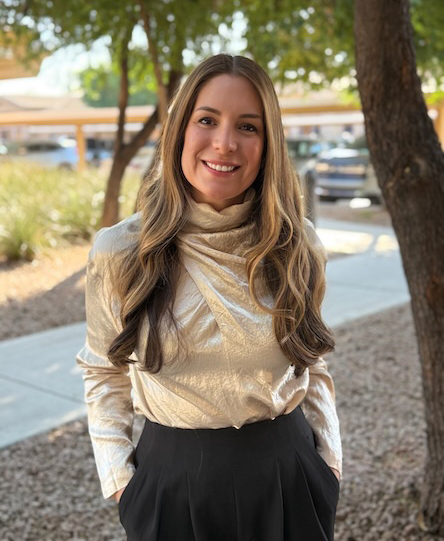
Meet Sofia Softas-Nall therapist Scottsdale AZ - Trauma, LGBTQIA Therapist
Read MoreSofia Softas-Nall, MS, MA, LPC, NCC
Therapist
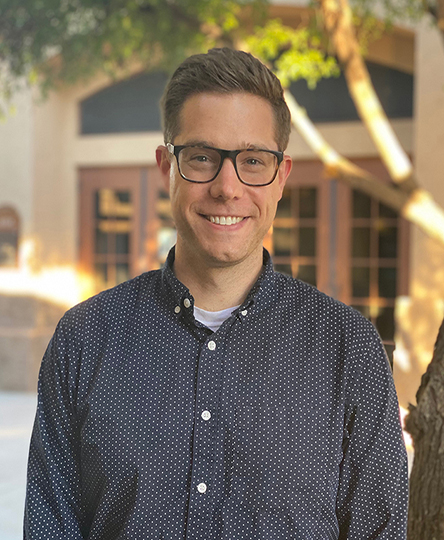
Meet David Merrick, MS Ed. LPC-S - Teens and Adult Therapist
Read MoreDavid Merrick, MS Ed. LPC-S
Clinical Director
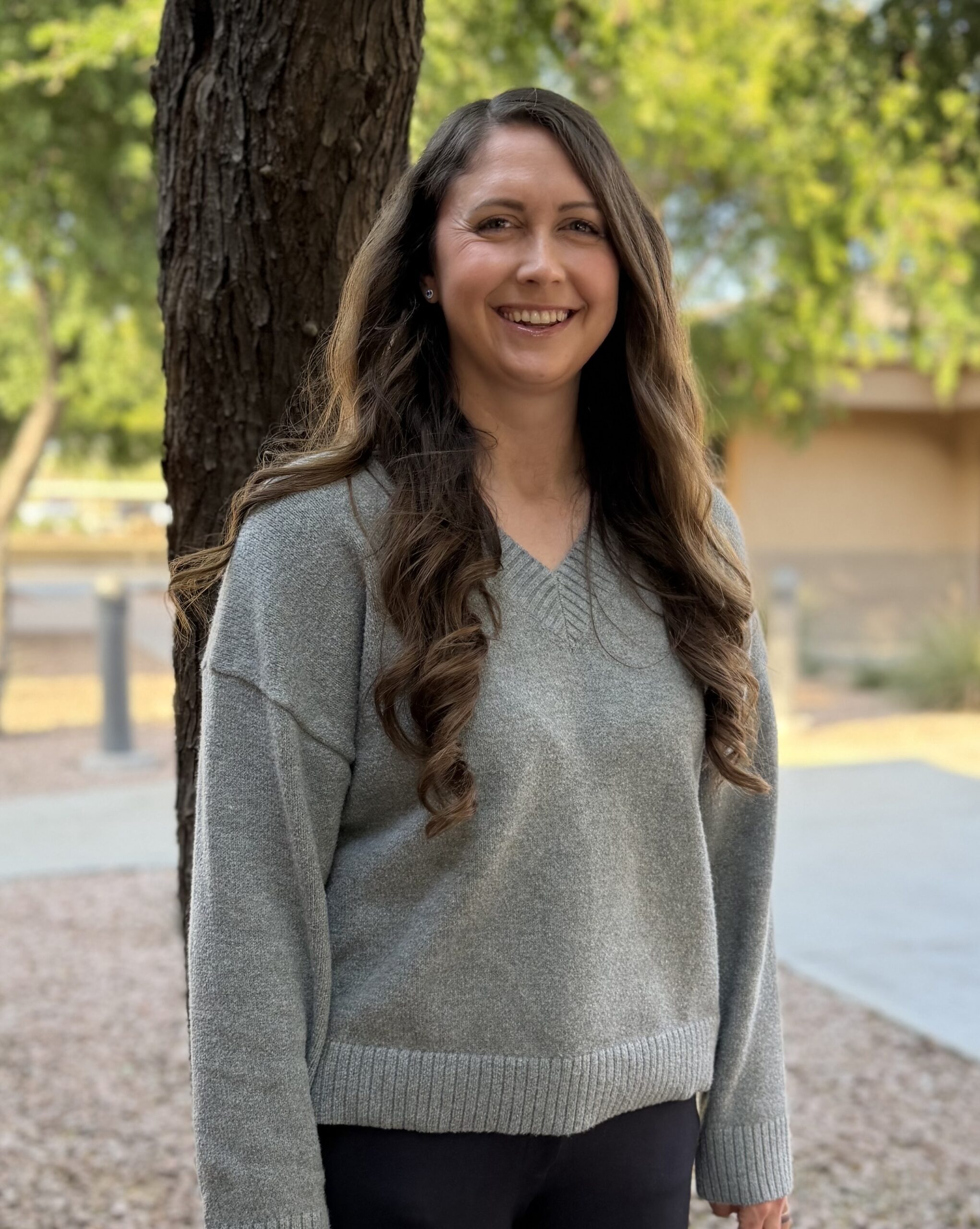
Meet Allison Zimmer, MS, LAC - Anxiety and Substance Therapist
Read MoreAllison Zimmer, MS, LAC
Therapist
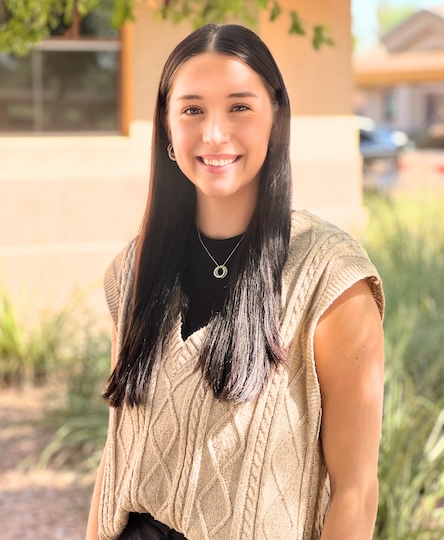
Meet Haley Anderson, MSW, LMSW - Child and Teen Therapist
Read MoreHaley Anderson, MSW, LMSW
Therapist

Meet Stephanie Levitt, MA, LPC, NCC - EMDR Therapist
Read MoreStephanie Levitt, MA, LPC, NCC
Therapist

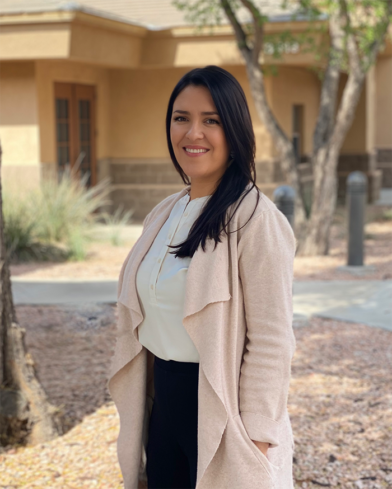
Meet Stephanie Levitt, MA, LPC, NCC the Founder of Pathways Counseling Services
Experienced in Trauma informed Care
Stephanie Levitt, MA, LPC, NCC is a licensed professional counselor in Scottsdale, Arizona, with over 20 years of experience supporting individuals through anxiety, trauma, PTSD, and fear-based challenges.
Above all, Stephanie is trained in a variety of evidence-based approaches, including exposure therapy, SBT and EMDR.
A Personalized, Empathetic Approach
Additionally, Stephanie believes in walking beside her clients with empathy, clarity, and clinical skill-offering a personalized approach to every individual. Her mission is to help you regain your confidence, reduce avoidance, and feel empowered again.
A Voice Beyond the Therapy Room
Furthermore, Stephanie has been featured on. podcasts, radio shows, and panel discussions, where she speaks about trauma recover, woman’s mental health, and practical therapy techniques.