
Trauma & PTSD therapy • Scottsdale, AZ • EMDR • Trauma-informed counseling
Trauma & PTSD Therapy in Scottsdale, AZ
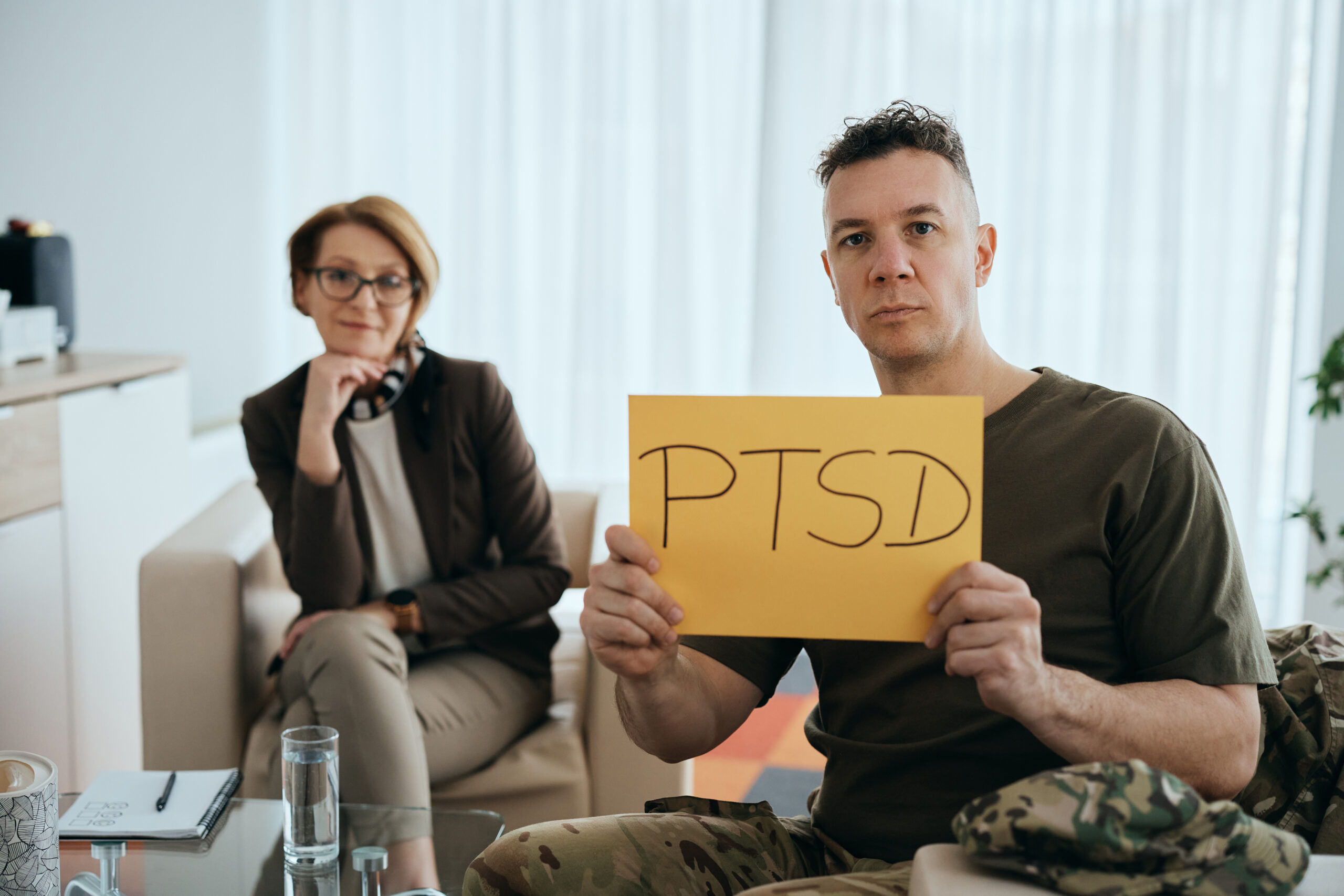
Trauma & PTSD therapy in Scottsdale, AZ helps adults process painful experiences, reduce triggers, and feel safer in daily life. If you are living with flashbacks, hypervigilance, panic, shutdown, emotional numbness, or a nervous system that never seems to fully relax, Pathways Counseling Services offers trauma-informed, evidence-based care in Scottsdale and secure telehealth across Arizona when appropriate.
What is trauma and PTSD therapy?
Trauma therapy is a specialized form of counseling that helps you recover from distressing experiences without forcing you to relive everything before you are ready. It focuses on helping your nervous system feel safer in the present, building stability, understanding triggers, and reducing the hold trauma has on your thoughts, emotions, body, and relationships. Trauma can come from abuse, accidents, medical trauma, combat, grief, emotional neglect, chronic stress, or any experience that left you feeling overwhelmed, powerless, or unsafe.
Trauma does not define you
What happened to you is not your fault, and it does not have to control your future. With the right support, many people begin to feel safer in their bodies, less reactive to triggers, more connected in relationships, and more confident in everyday life. Our therapists work with patience, collaboration, and evidence-based tools that support real healing.
Common symptoms of trauma and PTSD
Trauma can affect both the mind and body. Some people relive memories through flashbacks or nightmares. Others feel numb, disconnected, easily startled, constantly on guard, or overwhelmed by situations that seem small on the surface. When these symptoms affect sleep, work, relationships, or your ability to feel present, therapy can help.
Intrusion and re-experiencing
Flashbacks, intrusive memories, nightmares, or sudden body reactions as if the trauma is happening again.
Hyperarousal
Hypervigilance, feeling on guard, exaggerated startle response, irritability, panic symptoms, and difficulty sleeping.
Avoidance and numbness
Avoiding reminders, emotional detachment, difficulty trusting others, or feeling disconnected from yourself and daily life.
Other common experiences
- Guilt, shame, or self-blame
- Overwhelm, anxiety, or panic attacks
- Emotional swings or feeling emotionally shut down
- Difficulty concentrating or brain fog
- Relationship strain, isolation, or difficulty feeling safe with others
- Body symptoms such as tension, pain, or GI distress linked to stress activation
How trauma and PTSD therapy helps you heal
Trauma can leave your nervous system stuck in survival mode, even when you are no longer in danger. Therapy helps you rebuild a sense of safety, process what happened at a manageable pace, understand your triggers, and develop coping skills that allow the past to have less power over your present life.
Feel safer in your body
Grounding, regulation, and somatic tools can reduce overwhelm, panic, hypervigilance, and the sense that your body is always bracing for danger.
Reduce triggers and distress
Trauma processing can help distressing memories lose intensity so they do not hijack your day or keep you trapped in the same survival responses.
Reconnect with your life
Build confidence, strengthen boundaries, improve relationships, and move forward with more self-trust and emotional stability.
Approaches we use for trauma and PTSD therapy
At Pathways, trauma treatment is tailored to your symptoms, history, pace, and goals. Depending on what you need, therapy may use one approach or combine several. The focus remains on safety, collaboration, and evidence-informed care.
EMDR
EMDR helps reprocess traumatic memories so they feel less emotionally charged and less disruptive in everyday life. Learn about EMDR therapy in Scottsdale, AZ
Trauma-informed CBT
CBT can help identify and shift thought patterns that reinforce fear, shame, or anxiety while building practical coping skills. Learn about CBT in Scottsdale, AZ
Somatic techniques
Somatic work supports reconnecting with the body, releasing stored stress responses, and increasing calm, presence, and self-awareness.
Mindfulness and grounding
Present-focused tools can reduce overwhelm and help you come back into the moment when your nervous system starts to escalate. Mindfulness therapy in Scottsdale
DBT-informed skills
DBT skills can help when trauma includes intense emotions, self-criticism, or impulsive coping by building distress tolerance and emotional regulation. Learn about DBT in Scottsdale, AZ
Relationship support
Trauma can affect trust, communication, and attachment. Therapy can also support safer connection and stronger boundaries. Couples therapy in Scottsdale, AZ
Trauma and PTSD therapy in Scottsdale: what to expect
Trauma therapy should feel private, respectful, and empowering. We focus on helping you feel more grounded and in control while creating a treatment plan that matches your readiness, your symptoms, and what you want from therapy.
Judgment-free sessions
You will have space to share at your own pace, without pressure, blame, or minimizing what you have been through.
Trauma-informed therapists
Our clinicians use trauma-focused approaches including EMDR, CBT, grounding skills, and somatic strategies when appropriate.
In-person or telehealth
We offer in-person therapy in Scottsdale and secure telehealth across Arizona when clinically appropriate.
Booking an appointment is the simplest way to get matched with the right support and talk through what you have been experiencing.
Trauma & PTSD therapy FAQ
Quick answers to common questions about trauma counseling in Scottsdale.
Do I have to talk about everything that happened right away?
No. Trauma therapy is paced and collaborative. Safety and stabilization come first, and you share at a pace that feels manageable. Many trauma approaches work without requiring detailed retelling of everything that happened.
What is the difference between trauma and PTSD?
Trauma is the response to a distressing event or ongoing experience that overwhelms your coping resources. PTSD is a specific diagnosis that can develop after trauma and may include re-experiencing, avoidance, negative mood or cognition changes, and hyperarousal.
Is EMDR effective for PTSD?
EMDR is widely used for trauma and PTSD. It helps the brain reprocess traumatic memories so they feel less intense and less triggering over time. Your therapist can help determine whether EMDR is the right fit for your needs and stage of treatment.
Can trauma show up as anxiety, anger, or numbness?
Yes. Trauma does not always look like flashbacks. It can also show up as chronic anxiety, shutdown, irritability, shame, panic symptoms, difficulty trusting others, or feeling disconnected from your body and emotions.
Do you offer trauma therapy online in Arizona?
Yes. We offer in-person sessions in Scottsdale and secure telehealth across Arizona when clinically appropriate and privacy can be maintained.
How long does trauma therapy take?
It varies based on the type of trauma, the level of current stress, and your goals. Some people benefit from focused short-term work, while others choose longer therapy for complex trauma or layered experiences.
Educational content only — not a substitute for therapy, medical care, or a diagnostic evaluation.
Get started with trauma and PTSD therapy in Scottsdale
You do not have to carry trauma alone. If you are ready to feel more grounded, safer in your body, and more connected to your life, reach out today. We will help you take the next step with compassion and evidence-informed care.
Could Trauma Therapy Help You Heal?
“Find Balance. Reconnect with Yourself.”
Start your journey toward emotional clarity and healthier relationships.
Whether you’re struggling with overwhelming thoughts, relationship conflicts, or emotional ups and downs, Cognitive Behavioral Therapy (CBT) provides practical tools to help you regain control, shift your mindset, and move forward with confidence.
At Pathways Counseling Services in Scottsdale, Arizona, our licensed DBT- trained therapists offer a supportive, structure approach to emotional healing and long term growth. We’re here to meet you exactly where you are-with empathy, expertise, and a belief in your ability to change.
💬 Take the First Step Today
📍 In-person or telehealth sessions available across Arizona
🕒 Flexible scheduling for busy lives
📱 Call 480-639-5559
You don’t have to do it alone. DBT can help you feel more in control, more connected, and more you.
Contact us today for your PTSD/Trauma session
PTSD & Trauma Therapy FAQs
What is trauma therapy?
Trauma therapy is a form of counseling that helps individuals process and heal from distressing or overwhelming experiences, such as abuse, accidents, violence, or loss. It focuses on restoring a sense of safety, control, and emotional balance.
What’s the difference between trauma and PTSD?
Trauma refers to the emotional response to a deeply distressing event. PTSD (Post-Traumatic Stress Disorder) is a clinical diagnosis that can develop when trauma symptoms persist and interfere with daily life. Not everyone who experiences trauma develops PTSD.
Do I have to talk about my trauma in detail?
Not necessarily. Many trauma-focused therapies allow you to heal without reliving every detail. Your therapist will guide you gently and help you feel safe and in control throughout the process.
How do I know if I need trauma therapy?
If you struggle with flashbacks, anxiety, emotional numbness, sleep issues, or feel stuck in the past, trauma therapy may help. Even if you’re not sure what’s wrong, therapy can provide clarity and relief.
What approaches do you use for trauma and PTSD?
We offer EMDR, Cognitive Behavioral Therapy (CBT), somatic-based therapies, and mindfulness-based approaches. Your treatment will be tailored to your needs, goals, and comfort level.
Is trauma therapy available through telehealth?
Yes. At Pathways Counseling Services in Scottsdale, we offer secure telehealth sessions for trauma therapy, allowing you to receive care from the comfort and privacy of your home.
How long does trauma therapy usually take?
It varies depending on the individual. Some people experience relief in a few sessions, while others benefit from longer-term support. Your therapist will work with you to develop a plan that matches your needs and pace.
Is therapy confidential?
Absolutely. Your privacy is protected by law and by our strict ethical standards. Everything discussed in your session stays between you and your therapist, except in rare cases involving safety concerns.
Meet your Therapist
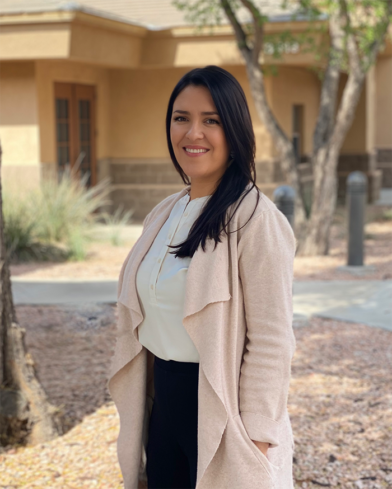
Stephanie Levitt, MA, LPC, NCC is a licensed professional counselor in Scottsdale, Arizona, with over 20 years of experience supporting individuals through anxiety, trauma, PTSD, and fear-based challenges. She is trained in a variety of evidence-based approaches, including exposure therapy, SBT and EMDR.
Stephanie believes in walking beside her clients with empathy, clarity, and clinical skill-offering a personalized approach to every individual. Her mission is to help you regain your confidence, reduce avoidance, and feel empowered again.
Outside the therapy room, Stephanie has been featured on. podcasts, radio shows, and panel discussions, where she speaks about trauma recover,, woman’s mental health, and practical therapy techniques.

Our Therapists

Meet Sofia Softas-Nall therapist Scottsdale AZ - Trauma, LGBTQIA Therapist
Read MoreSofia Softas-Nall, MS, MA, LPC, NCC
Therapist

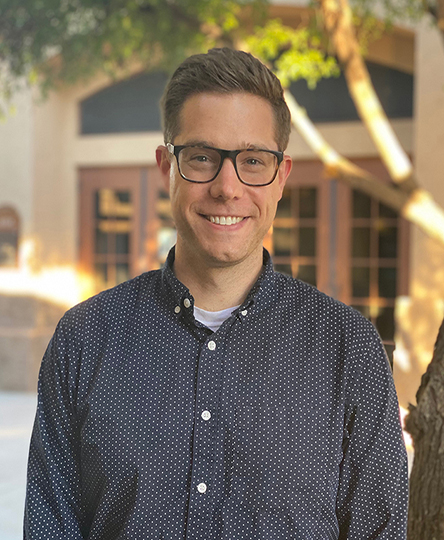
Meet David Merrick, MS Ed. LPC-S - Teens and Adult Therapist
Read MoreDavid Merrick, MS Ed. LPC-S
Clinical Director
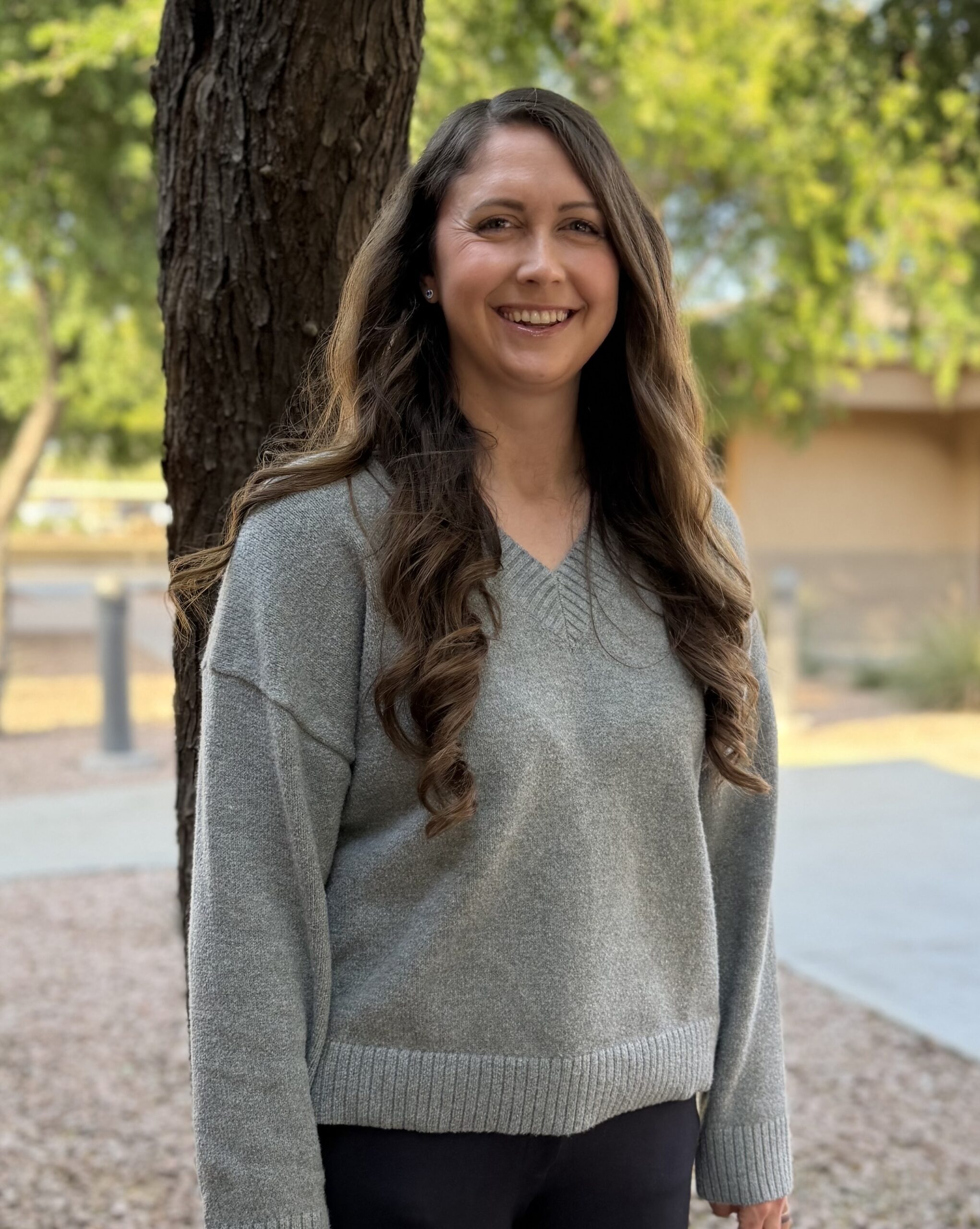
Meet Allison Zimmer, MS, LAC - Anxiety and Substance Therapist
Read MoreAllison Zimmer, MS, LAC
Therapist

Meet Haley Anderson, MSW, LMSW - Child and Teen Therapist
Read MoreHaley Anderson, MSW, LMSW
Therapist

Meet Stephanie Levitt, MA, LPC, NCC - EMDR Therapist
Read MoreStephanie Levitt, MA, LPC, NCC
Therapist