
Therapist‑led support groups • Scottsdale, AZ • Telehealth across Arizona
Group Therapy in Scottsdale, Arizona
In today’s fast‑paced world, it’s easy to feel disconnected while navigating anxiety, depression, trauma, grief, stress, or relationship challenges. Group therapy creates space for real connection, honest reflection, and practical growth — guided by a licensed therapist.
What happens in group therapy?
Group therapy brings together people facing similar challenges so you can learn, reflect, and grow in a supportive community. You’ll get both professional guidance (from your therapist) and real‑life perspective (from peers who truly get it).
Connection + insight + emotional growth
Over time, many people feel relief realizing they’re not alone. Groups often help reduce isolation and shame, strengthen emotional regulation, and build healthier ways of communicating and relating.
- Share and receive support in a structured space
- Practice new skills with real‑time encouragement
- Gain insight by hearing how others navigate similar struggles
- Build confidence in how you connect with people
Group therapy vs. individual therapy
Group therapy can be a stand‑alone treatment or a powerful complement to individual counseling. The “best fit” depends on your goals, comfort level, and what you want support around.
Individual therapy
Private 1:1 space to go deeper into personal history, goals, and tailored strategies.
Explore: Individual therapy in Scottsdale
Group therapy
Structured therapist‑led setting where peer support + real‑time perspective can accelerate growth.
Many people do both
Combining individual + group can build insight privately while practicing new skills with others.
Benefits of group therapy
Group therapy offers more than support — it creates a powerful space for skill‑building, insight, and lasting change. Members often describe groups as a place where healing feels less lonely and more practical.
Why group therapy works
- Shared support & connection — empathy and encouragement from people who understand
- Reduced isolation & shame — you’re not alone, and your story matters
- Practical tools — skills for emotions, stress, and relationships
- Real‑time feedback — peers can act as mirrors to highlight patterns and strengths
Group sessions we offer
Our group offerings change based on season, clinician availability, and community needs. Below are common group types we run or rotate. Call to ask what’s open right now.
Anxiety & stress support groups
Learn practical tools to calm anxious thoughts, reduce overwhelm, and build steadier coping — alongside people who get it.
Trauma & PTSD recovery groups
A structured space focused on grounding, emotional regulation, and support while moving at your own pace.
Related: EMDR therapy
Grief & loss groups
Share your grief journey with others navigating loss — with compassion, support, and room for healing.
DBT skills training groups
Build skills in mindfulness, distress tolerance, emotion regulation, and interpersonal effectiveness.
Learn more: DBT in Scottsdale
Teen support groups
Teens explore identity, stress, and communication with therapist guidance in a safe peer setting.
Related: Teen therapy
Relationship & communication groups
Improve how you relate to partners, family, and friends — recognize patterns and build healthier connection skills.
Also see: Couples therapy
What to expect in group therapy
Walking into a group for the first time can feel intimidating. We get it — and we’ll help you feel oriented and supported. Groups are built around trust, structure, and emotional safety.
Group size
Most groups are small enough to feel personal (often around 6–10 people) without being overwhelming.
Pace & participation
You’re never forced to share before you’re ready. Many people start by listening and gradually participate more over time.
In‑person + telehealth
We offer in‑person groups in Scottsdale and may offer virtual groups across Arizona depending on the program.
If you need help deciding what’s best, start with a consult or call: (480) 639‑5559.
Is group therapy right for you?
This is a quick reflection tool — not a diagnosis. Answer based on how things have felt recently.
Group Therapy Fit Check
Answer all 5 questions. You’ll get a simple recommendation at the end.
Find connection. Heal together.
Whether you feel isolated, overwhelmed, or stuck in your healing process, group therapy can help you feel more connected, more understood, and more empowered — with therapist guidance and peer support.
Group therapy FAQ
Quick answers before you join.
Is group therapy confidential?
Group therapy is designed to be private and respectful. Members agree not to share information about other participants outside of group. Your therapist will review guidelines and expectations to support emotional safety.
Will I have to talk in the first session?
No. You set the pace. Many people prefer to listen at first and share more as they feel comfortable. You’ll never be forced to speak before you’re ready.
How is group therapy different from individual therapy?
Group therapy includes professional guidance plus peer support and real‑time perspective. Individual therapy is a private 1:1 space. Many clients combine both for deeper progress.
Can I do both individual and group therapy?
Yes. Many clients find that combining both helps them gain insight privately and practice new skills with others in a structured environment.
Do you offer telehealth group therapy?
Some groups may be offered virtually across Arizona depending on the program. Call to ask what’s available right now.
Educational info only — not a substitute for therapy or medical care. If you’re in immediate danger or crisis, call emergency services. In the U.S., call/text 988.
Meet your Therapist
Stephanie Levitt, MA, LPC, NCC is a licensed professional counselor in Scottsdale, Arizona, with over 20 years of experience supporting individuals through anxiety, trauma, PTSD, and fear-based challenges. She is trained in a variety of evidence-based approaches, including exposure therapy, SBT and EMDR.
What Stephanie Believes in
Stephanie believes in walking beside her clients with empathy, clarity, and clinical skill-offering a personalized approach to every individual. Her mission is to help you regain your confidence, reduce avoidance, and feel empowered again.
Outside the Therapy Room
Outside the therapy room, Stephanie has been featured on. podcasts, radio shows, and panel discussions, where she speaks about trauma recover,, woman’s mental health, and practical therapy techniques.

Contact us today for your Group session!
Frequently Asked Questions About Exposure Therapy
Is group therapy confidential?
Yes. Every group member agrees to a confidentiality policy before participating. What’s shared in group stays in group, ensuring a safe and respectful space for everyone.
Will I be expected to share personal details right away?
No. You set the pace. Many people prefer to observe at first and participate more actively as they grow comfortable. You’ll never be forced to share anything before you’re ready.
What kinds of issues are addressed in group therapy?
Our therapy groups support individuals dealing with anxiety, depression, grief, trauma, relationship challenges, and more. Some groups are skills-based (like DBT), while others are process-focused.
How is group therapy different from individual therapy?
Group therapy provides the opportunity to receive support and feedback from peers in addition to professional guidance. You’ll learn from others’ experiences, gain fresh perspective, and build connection.
Can I attend both individual and group therapy?
Absolutely. Many clients find that combining both creates deeper insight and greater progress. We’ll help you build the plan that works best for you.
Is group therapy available via telehealth?
Yes. We offer secure online group sessions for clients throughout Arizona, so you can participate from anywhere with privacy and ease.
Does insurance cover group therapy?
Most insurance plans cover group therapy sessions. We’re happy to verify your benefits and help you understand coverage options before you begin.
Our Therapists

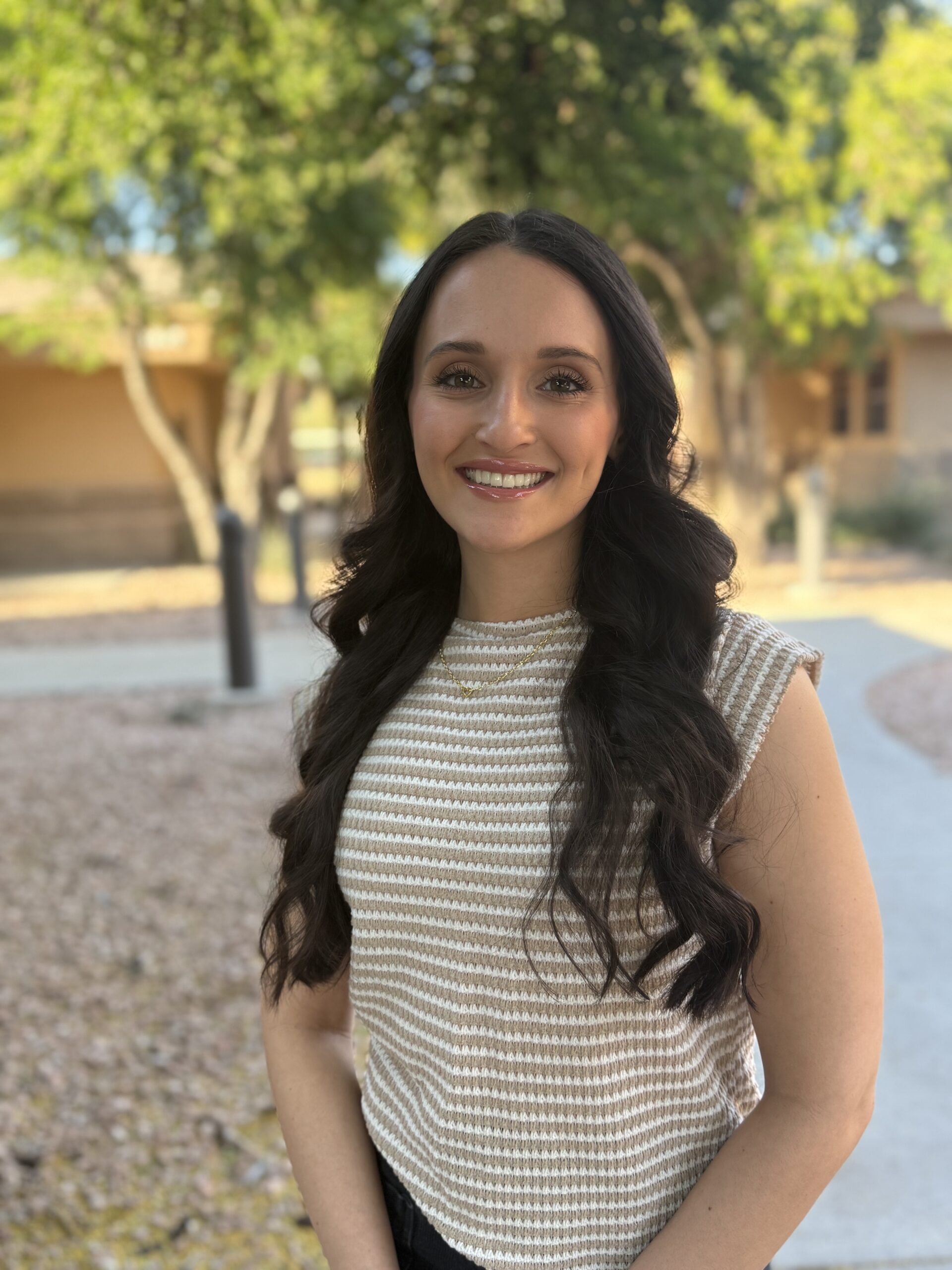
Meet Alyssa Dowdell: A Behavioral Health Technician Focused on Growth and Healing
Read MoreAlyssa Dowdell
Behavioral Health Technician


Meet Haley Anderson, MSW, LMSW - Child and Teen Therapist
Read MoreHaley Anderson, MSW, LMSW
Therapist

Meet David Merrick, MS Ed. LPC-S - Teens and Adult Therapist
Read MoreDavid Merrick, MS Ed. LPC-S
Clinical Director

Meet Stephanie Levitt, MA, LPC, NCC - EMDR Therapist
Read MoreStephanie Levitt, MA, LPC, NCC
Therapist

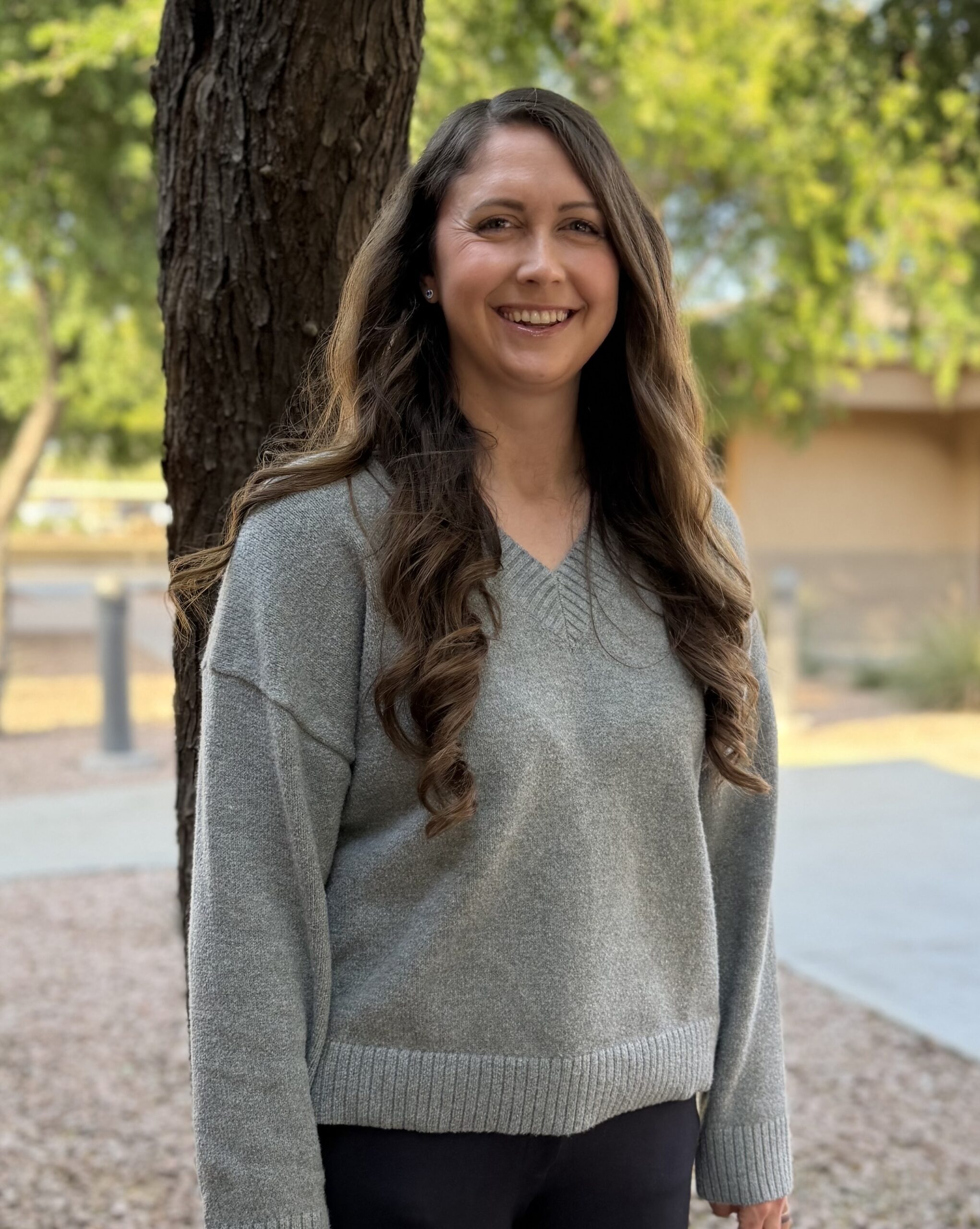
Meet Allison Zimmer, MS, LAC - Anxiety and Substance Therapist
Read MoreAllison Zimmer, MS, LAC
Therapist


Group Therapy

Why choose us?
Meet Stephanie Levitt, LPC, the founder of Pathways Counseling Services. Stephanie brings over 20 years of experience helping children and families navigate trauma, loss, and emotional healing. As a Licensed Professional Counselor and grief specialist, she is passionate about providing children with the tools they need to process loss in healthy, developmentally appropriate ways.
Her approach blends warmth, clinical expertise, and creative therapies tailored to each child’s needs. Stephanie also works closely with caregivers to ensure they feel supported and empowered throughout the healing process.
The Importance of Group Therapy
Group therapy provides a unique avenue for individuals seeking emotional support and healing. Moreover, it allows participants to connect with others who share similar struggles, fostering a sense of community. Consequently, this shared experience can significantly reduce feelings of isolation and loneliness.
Additionally, group therapy offers a safe space for individuals to express their thoughts and emotions openly.
For example, many participants find that sharing their stories helps them gain new perspectives on their challenges. Furthermore, the feedback received from peers can be incredibly validating and encouraging.
Therefore, group therapy not only aids in personal growth but also enhances interpersonal skills. As a result, individuals often leave sessions feeling empowered and understood.
Ultimately, this therapeutic approach can lead to profound changes in one’s mental health journey.
Types of Group Therapy Available in Scottsdale
In Scottsdale, various types of group therapy are available to cater to different needs. For instance, support groups focus on specific issues such as addiction, grief, or anxiety.
Additionally, process groups allow participants to explore their feelings and interactions within the group setting. Consequently, these sessions can help individuals understand their behavior patterns better. Moreover, psychoeducational groups provide valuable information about mental health topics while promoting discussion among members.
Therefore, choosing the right type of group therapy is essential for maximizing its benefits. Furthermore, many therapists offer specialized groups for specific demographics, such as women or LGBTQ+ individuals. As a result, participants can find a supportive environment that resonates with their unique experiences.
Ultimately, the diversity of options ensures that everyone can find a suitable therapeutic setting.
The Benefits of Group Therapy
Participating in group therapy offers numerous benefits that can enhance one’s overall well-being. Firstly, it provides an opportunity for individuals to receive support from others who truly understand their struggles. Additionally, sharing experiences can lead to valuable insights and coping strategies that may not have been considered before.
Moreover, group dynamics often encourage accountability among members, motivating them to stay committed to their healing journey. Consequently, this accountability can lead to significant personal growth over time. Furthermore, engaging with others allows participants to practice communication skills in a safe environment.
Therefore, many individuals find that they become more comfortable expressing themselves outside of therapy as well. As a result, improved communication skills can positively impact relationships with family and friends. Ultimately, the collective wisdom found within a group can be an invaluable resource for those seeking change.
Finding Group Therapy in Scottsdale
Finding the right group therapy option in Scottsdale involves several important steps. Firstly, it is essential to research local mental health professionals who specialize in group therapy settings. Moreover, many therapists offer free consultations to help potential clients determine if a particular group is a good fit for them.
Additionally, online directories and mental health organizations can provide lists of available groups in the area. Consequently, utilizing these resources can streamline the search process significantly. Furthermore, word-of-mouth recommendations from friends or family members may lead to discovering reputable therapists or programs.
Therefore, reaching out to local mental health facilities or community centers can also yield helpful information about available services. As a result, individuals should take their time exploring options before committing to any specific group. Ultimately, finding the right match is crucial for achieving the best therapeutic outcomes.
FAQ
- Q: What should I expect during my first group therapy session?
A: During your first session, you will likely meet other members and discuss the group’s guidelines while sharing your reasons for attending. - Q: How long do group therapy sessions typically last?
A: Most sessions last between 60 to 90 minutes depending on the group’s structure and objectives. - Q: Can I switch groups if I feel uncomfortable?
A: Yes! It’s important to feel comfortable; discussing your concerns with your therapist can help you find a better fit.
Internal link suggestions
- Exposure therapy
- Addiction recovery programs
- Coping strategies for anxiety
External link suggestions
- Online resources
- NAMI (National Alliance on Mental Illness)
- Mental Health America