
Child & teen trauma therapy • Scottsdale, AZ • PTSD support • Parent involvement
Child & Teen Trauma & PTSD Therapy in Scottsdale, AZ
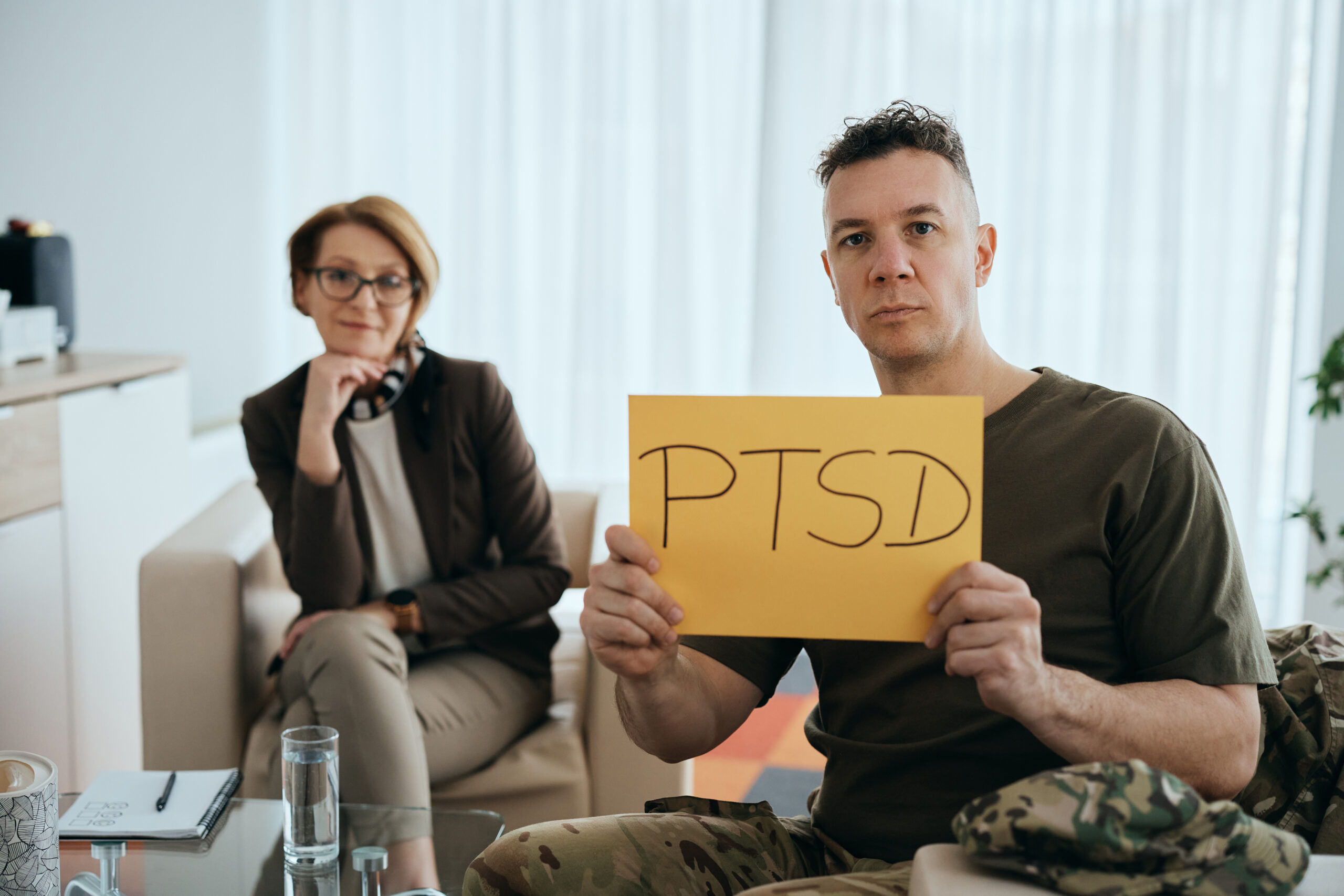
When a child experiences or witnesses something terrifying or deeply distressing — abuse, violence, an accident, a natural disaster, medical trauma, or the sudden loss of a loved one — their nervous system can get stuck in survival mode. Kids often can’t explain trauma in words, so it shows up through behavior: nightmares, emotional outbursts, regression, separation anxiety, or withdrawing from family and friends. At Pathways Counseling Services in Scottsdale, our trauma‑informed team helps children and teens rebuild a sense of safety, stability, and strength — with evidence‑informed care and parent support.
What is PTSD in children?
Post‑traumatic stress disorder (PTSD) in children can develop after experiencing or witnessing a frightening or overwhelming event. Unlike adults, children often struggle to put trauma into words. They may instead express distress through play, behavior changes, fear, or physical symptoms. PTSD can look like a child being “on alert,” easily startled, unusually irritable, or stuck in avoidance.
Common events that can lead to PTSD
- Abuse or neglect
- Accidents or injuries
- Medical trauma or hospitalization
- Violence or witnessing violence
- Natural disasters
- Bullying or threats to safety
- Sudden loss of a loved one
Helpful resource: NCTSN — Types of trauma
Signs of PTSD in children
Kids may re‑experience trauma through play, dreams, or body reactions. They may avoid reminders, become more reactive, or show changes in mood, sleep, and connection. If symptoms are persistent or interfering with school, friendships, or family life, trauma therapy can help.
Common signs families notice
- Repetitive play that reenacts the trauma
- Nightmares, sleep disruption, or bedtime fears
- Fear of being alone / separation anxiety
- Angry outbursts, extreme irritability, or sudden meltdowns
- Emotional numbness, detachment, or withdrawal
- Physical symptoms like stomachaches or headaches
- Avoidance of reminders of the trauma
- Startle response, hypervigilance, or feeling “on guard”
How PTSD can affect your child’s life
When left unaddressed, trauma symptoms can impact a child’s development emotionally, socially, academically, and physically. Kids may struggle with trust, self-esteem, focus, relationships, and regulation. The good news: with the right support, healing is possible.
School & focus
Difficulty concentrating, school avoidance, or behavior issues when stress reactions show up in the classroom.
Relationships
Withdrawal, conflict, mistrust, or feeling “different” from peers — which can lead to isolation or bullying.
Emotional health
Ongoing anxiety, low self-esteem, depression symptoms, or body-based stress responses.
If anxiety or depression symptoms are also present: Child Anxiety Therapy • Child & Teen Depression Therapy
Therapy for PTSD: how we can help
Our trauma‑informed therapists use proven, age‑appropriate approaches to help your child process trauma safely, build coping skills, and regain a sense of safety and strength. We tailor treatment to your child’s developmental stage, personality, and needs — and we involve caregivers so healing is supported at home, too.
Play therapy
For younger children, play is often the language of healing. Play therapy supports expression and regulation in developmentally appropriate ways. Play Therapy
TF‑CBT & CBT
Trauma‑Focused CBT (TF‑CBT) and CBT help kids understand thoughts/feelings, reduce fear-based patterns, and build healthier coping. CBT in Scottsdale
EMDR for children
EMDR can help the brain reprocess distressing memories so they feel less intense and less triggering over time. EMDR Therapy
Other approaches we may use
- Expressive arts therapy (art, movement, role play, storytelling)
- PCIT (Parent‑Child Interaction Therapy) to strengthen the parent-child bond and improve behavior through coaching
- Mindfulness & grounding to regulate big emotions and reduce overwhelm (Mindfulness Therapy)
- Family support & parent coaching to reinforce safety and routines at home (Family Therapy)
We can also collaborate with schools/teachers when appropriate, since symptoms often show up across environments.
Support for parents and caregivers
You may feel helpless watching your child struggle — but you’re not alone. We help caregivers understand trauma symptoms, respond in supportive ways, and strengthen the parent-child bond as part of the healing process. When parents feel more confident, kids feel safer.
Education & clarity
Understand why your child is reacting this way — and what their nervous system is communicating.
Coaching & tools
Learn practical ways to support regulation, routines, sleep, and emotional safety at home.
Connection & repair
Strengthen the relationship so your child feels safe with you, even during big feelings or behavioral storms.
Parenting support: Proactive Parenting
A message from our team
At Pathways Counseling Services in Scottsdale, our compassionate, trauma‑informed team creates a safe, welcoming space for your child to feel seen and heard. Whether your child is just beginning to show signs or has been struggling for a while, we’re here to help you find a path forward with steadier days ahead.
Key takeaways
- Children often show PTSD symptoms through behavior, sleep changes, play themes, and body complaints — not always words.
- Untreated trauma can impact school, relationships, self-esteem, and long-term mental health — but early support helps.
- Evidence-informed approaches (Play Therapy, TF‑CBT, EMDR, PCIT, expressive therapy) can help kids regain safety and resilience.
Child & teen trauma / PTSD FAQ
Quick answers to common questions families ask.
Can children really have PTSD?
Yes. Children can develop PTSD after experiencing or witnessing a traumatic event. Because kids may not have the language to explain distress, PTSD often shows up through nightmares, behavior changes, regression, avoidance, or increased anxiety.
Do kids have to talk about the trauma in therapy?
Not right away — and not always in direct words. Therapy is paced and developmentally appropriate. Younger children often process through play and creative expression. We focus on safety and stabilization first.
What is TF‑CBT?
TF‑CBT (Trauma‑Focused Cognitive Behavioral Therapy) is an evidence-informed approach designed for children and teens. It helps reduce trauma symptoms by teaching coping skills, supporting emotional processing, and involving caregivers in the healing plan.
Will parents be involved?
Often, yes. Parent/caregiver involvement helps reinforce safety and coping skills at home and strengthens the parent-child bond. Involvement is handled in an age-appropriate way to protect trust while keeping caregivers supported and informed.
Do you offer online therapy for kids in Arizona?
Yes. We offer in-person sessions in Scottsdale and secure telehealth across Arizona when clinically appropriate and privacy can be maintained.
What if my child is talking about self-harm or suicide?
Take it seriously. If there is immediate danger, call 911. In the U.S., call or text 988 for the Suicide & Crisis Lifeline. You can also seek urgent evaluation through emergency or crisis resources.
Educational content only — not a substitute for therapy, medical care, or a diagnostic evaluation.
Get started with child trauma therapy in Scottsdale
If your child is showing signs of trauma or PTSD, you don’t have to navigate it alone. Schedule a free consultation to talk through what you’re seeing and learn which type of support may fit best.
Our Therapists

Meet Sofia Softas-Nall therapist Scottsdale AZ - Trauma, LGBTQIA Therapist
Read MoreSofia Softas-Nall, MS, MA, LPC, NCC
Therapist

Meet David Merrick, MS Ed. LPC-S - Teens and Adult Therapist
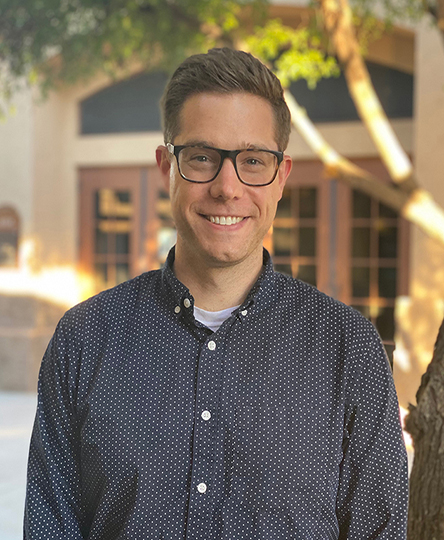
Read MoreDavid Merrick, MS Ed. LPC-S
Clinical Director
Meet Allison Zimmer, MS, LAC - Anxiety and Substance Therapist
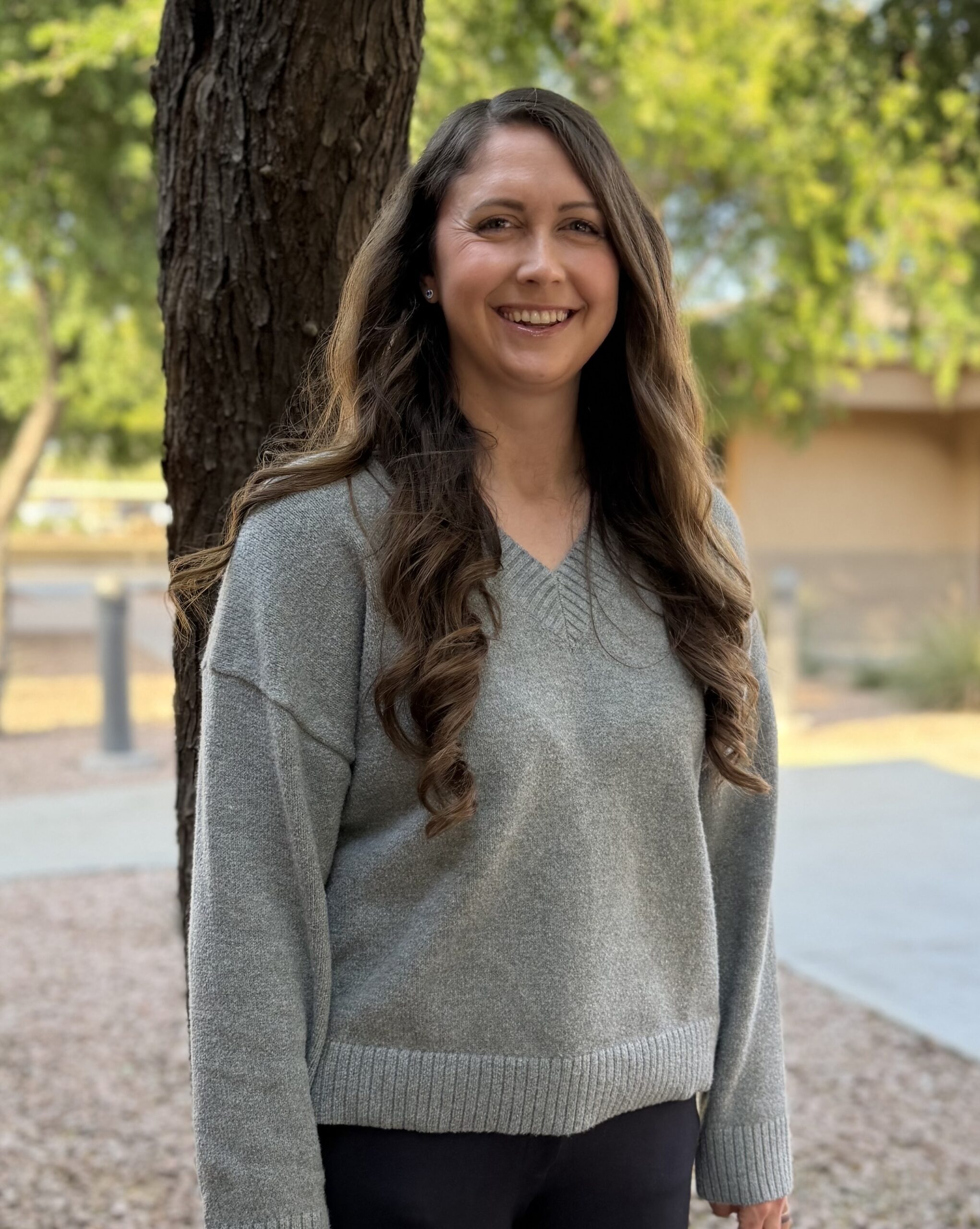
Read MoreAllison Zimmer, MS, LAC
Therapist

Meet Haley Anderson, MSW, LMSW - Child and Teen Therapist
Read MoreHaley Anderson, MSW, LMSW
Therapist

Meet Stephanie Levitt, MA, LPC, NCC - EMDR Therapist
Read MoreStephanie Levitt, MA, LPC, NCC
Therapist



Meet Alyssa Dowdell: A Behavioral Health Technician Focused on Growth and Healing
Read MoreAlyssa Dowdell
Behavioral Health Technician

Child PTSD Counseling

Why choose us?
Meet your Therapist
Stephanie Levitt, MA, LPC, NCC is a licensed professional counselor in Scottsdale, Arizona, with over 20 years of experience supporting individuals through anxiety, trauma, PTSD, and fear-based challenges. She is trained in a variety of evidence-based approaches, including exposure therapy, SBT and EMDR.
Stephanie believes in walking beside her clients with empathy, clarity, and clinical skill-offering a personalized approach to every individual. Her mission is to help you regain your confidence, reduce avoidance, and feel empowered again.
Outside the therapy room, Stephanie has been featured on. podcasts, radio shows, and panel discussions, where she speaks about trauma recover,, woman’s mental health, and practical therapy techniques.